

The propaganda of the Russian neighbor always links the history of the Luhansk oblast with the existence of the Russian Empire, and later with the Russian Federation itself. Yes, the popular theses that we will refute today sound like "Luhansk oblast is an originally Russian region", "Russian was always spoken in Donbas".
"Our choice was made back in 2014. Today we are confidently ready to confirm it. The Luhansk People's Republic has always been a Russian land. And the people of Luhansk will always be in solidarity with the multinational people of Russia," says Leonid Pasichnik, a collaborator and militant of the "LNR" group, Russian dictator.
"Was it a Russian land?
One way to reduce the distortion of history is to use photographic evidence. Thus, photo documents belong to the latest historical sources and occupy a special place among documentary monuments. So let's look at some photos from the past regional center of Luhansk oblast - Luhansk.
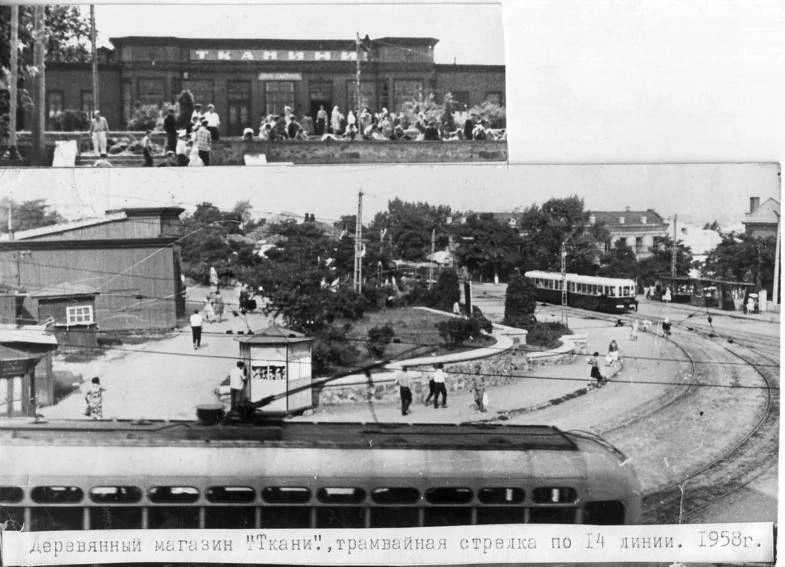
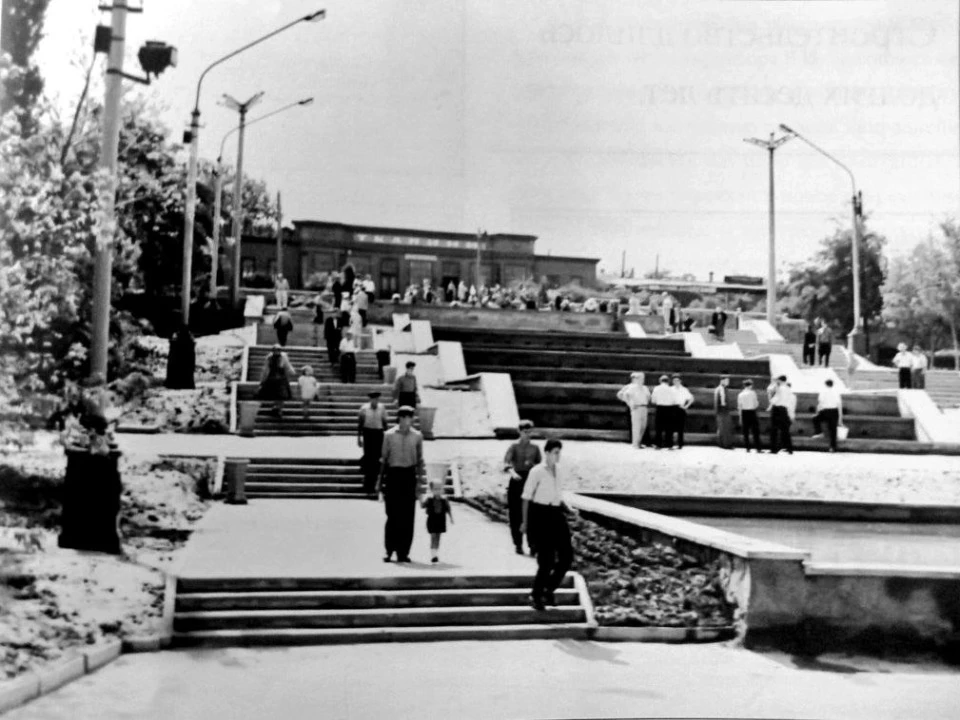
In the photos, taken around 1958-1965, there is a shop "Tkanyny". As you can see, the name is written in Ukrainian. Today, the Luhansk Regional Museum of Local History stands on the site of the building. This shot refutes the fake of Russian propagandists that the Ukrainian language was never used in Luhansk oblast.
Or the next photo:
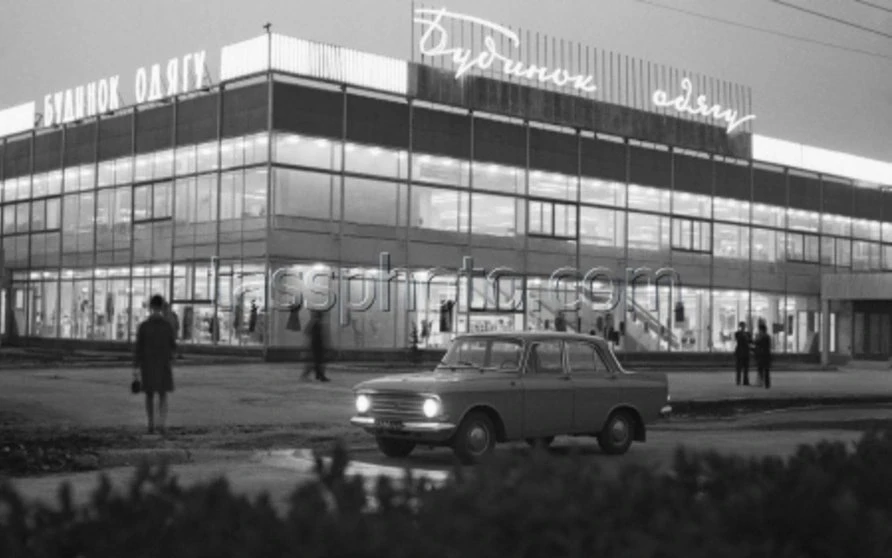
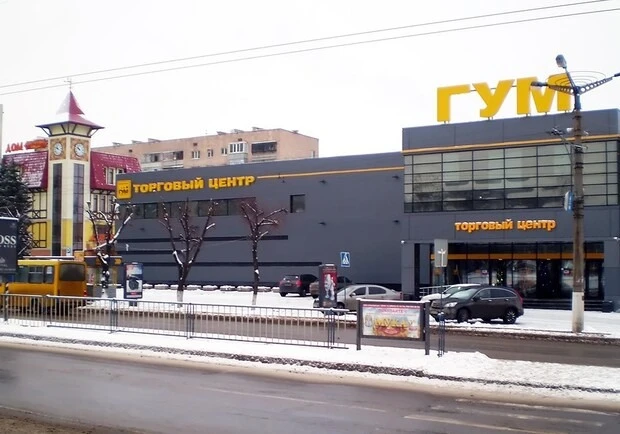
In it - "House of clothes" is depicted. Again the sign is written in Ukrainian. The photo was taken on 05/13/1971 by Roman Azriel. Today, the "GUM" shopping center is located at this place in temporarily occupied Luhansk.
A newspaper in Ukrainian was also published in Luhansk, it was called "Voroshilovgradska Pravda", issue dated June 21, 1941:
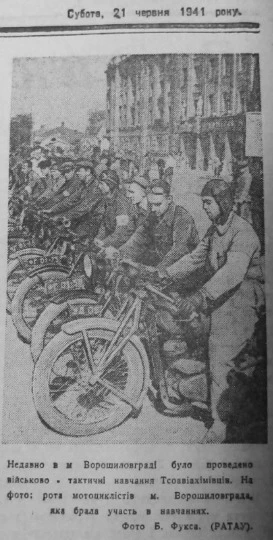
This testifies to the presence of a Ukrainian-speaking cultural environment at that time. True, in 1935 Luhansk was renamed Voroshilovgrad, accordingly, only from 1935 to 1942 the newspaper was called "Voroshilovgradska Pravda", and before that and after that - "Luhanska Pravda".
By the way, in the photo of the newspaper - an article about TSOAVIAKHIM - the society for the promotion of defense, aviation and chemical construction in the USSR:
"Recently in Voroshilovgrad, military-tactical training of Tsoaviakhim citizens was held. In the photo: a company of motorcyclists from Voroshilovgrad, who took part in the training."
And here are the photos taken at the youth festival of the Voroshilovgrad State Pedagogical Institute, 1956:
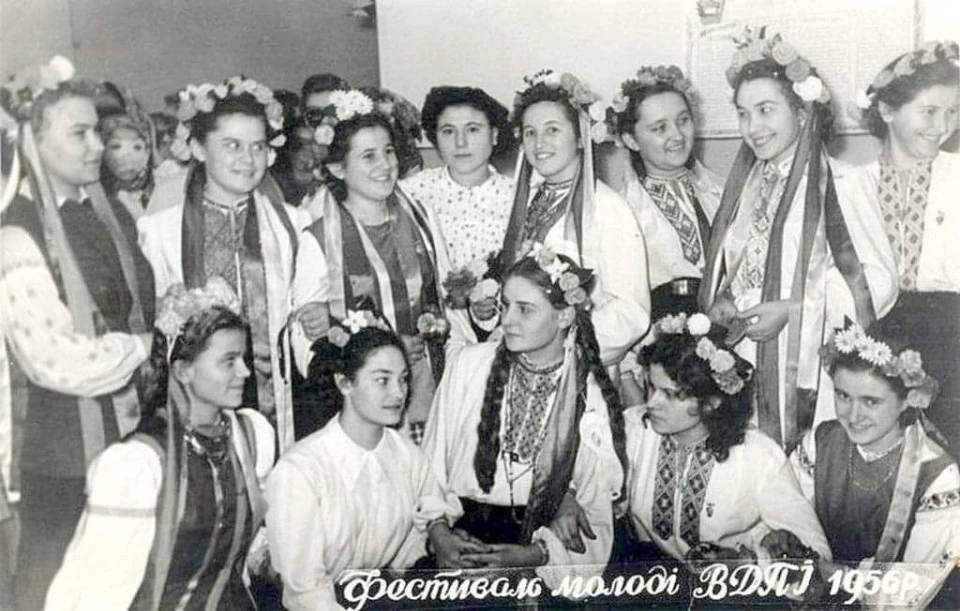
Girls on the holiday in national Ukrainian clothes - wreaths, embroidered skirts, kersetky (an element of traditional Ukrainian women's outerwear, sleeveless, similar to a vest).
So all these shots testify to the existence of the Ukrainian language, traditions, and therefore the Ukrainians themselves in the Luhansk oblast, which destroys Russian narratives.
Viktor Uzhchenko, doctor of philological sciences, professor of Taras Shevchenko Luhansk National University, said that in Luhansk oblast Surzhik is dominant, and its basis is Ukrainian. And the idea that the region speaks Russian is wrong.
Telegram channel "ARTIUKH" published a letter shared by a subscriber from Kreminna, it dates back to 1968. Personal correspondence in Ukrainian is proof that our language not only existed in Luhansk oblast, but was also actively used.
This is a unique photo where children in the classroom are studying the novel of the Ukrainian writer Panas Myrnyi, written in co-authorship with Ivan Bilyk, "Do the oxen roar when the manger is full?". In social networks, it is claimed that the footage dates back to 1965, and was taken in Tryohizbenka of the Shchastya community in the Luhansk oblast.
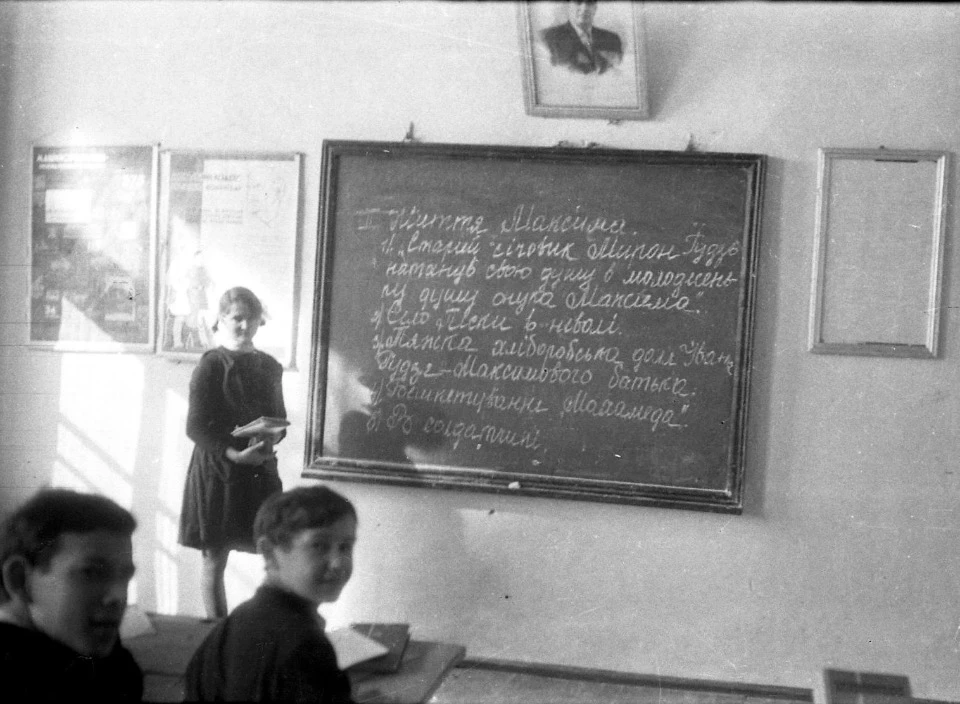
On the board is written:
The life of Maxim (the hero of the work):
1) "The old sichovik Myron Hudz inspired his soul into the young soul of his grandson Maksym."
2) The village of Pisky in captivity.
3) The difficult agricultural fate of Ivan Gudzya - Maxim's father.
4) Naughty "Mohamed".
5) In military service.
It is important that this was the first "novel from the life of the people", which, according to Ivan Franko, "depicts the almost century-old history of the Ukrainian village" and reveals the contemporary reality in all its complexities and contradictions.
And finally - Moscow.
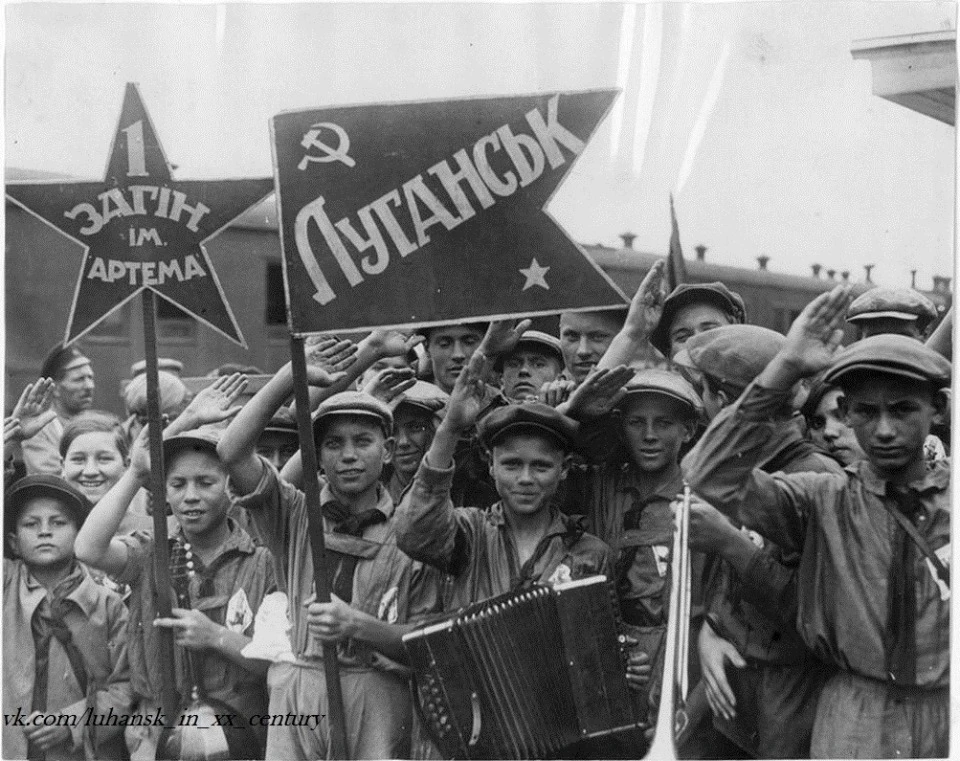
Ukrainian pioneers of the city of Luhansk! (not Luhansk like in Russian) at the First All-Union Gathering of Pioneers in Moscow in 1929.
And all this was in Luhansk oblast. This footage is only a small part of the history that the Russians are mercilessly destroying. Luhansk was, is and will be Ukraine.