

In the temporarily occupied Luhansk and Donetsk regions, people continue to support the Ukrainian national team, find opportunities to watch online broadcasts and hardly follow Russian football teams. We continue to debunk theses that there are only supporters of "Russian peace" in the occupation and the myth of a "pro-Russian region" through the prism of sports.
Do they watch Ukrainian football in the occupation?
"Just like two years ago, I still watch our Ukrainian football today. I support our national team, I follow Ukrainian players in other countries. This is my native thing...I have no idea how Russian football is developing," Mykhailo, who is 55 years old, told us. (the name changed for personal safety) from the occupied Starobilshchyna.
Alina, who is 24 years old, whose father is in the occupied Luhanshchyna, shared her family secret:
"When there is an important match, my dad asks me to watch it via video-conferencing, I do this with the help of a screen demonstration. And before, I turned on the game on my laptop and held the phone in my hands for the whole 90 minutes so that he could watch. At such moments, I have tears in the eyes".
The situation has changed significantly in 2014 and 2022, and today you have to take a guess to watch football in the occupation. But before the full-scale invasion, everything was more accessible, said Artem Kariakin, who spent 8 years in occupied Stakhanov:
"On the cable and digital television of occupied Stakhanov (I can only speak for it based on my experience), Ukrainian TV channels Football 1/2/3 were free access, where anyone could watch the games of the Championship of Ukraine. It was more difficult with the national team, because these channels not always televised it, but in general, everyone had “Match” Russian TV channels, which televised games of the national team of Ukraine at major tournaments or qualification matches for major tournaments. There were no problems with this, not to mention streaming platforms on the Internet - they were mostly not blocked."
In 2014, "Russkaya Vesna" could not draw Shakhtar supporters over to cheer for "Zenit" or "CSKA Moscow".
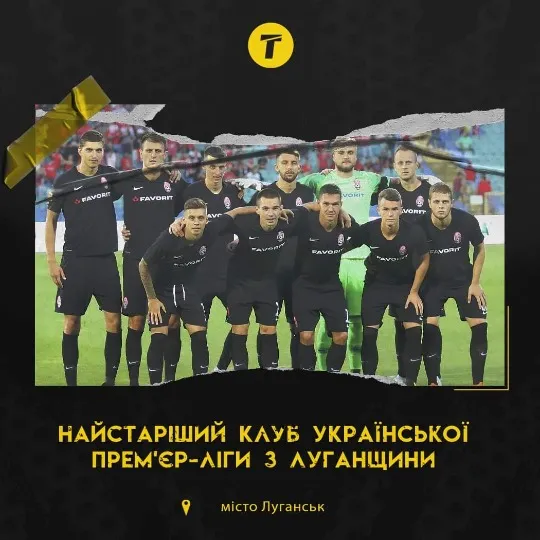
"As it turned out, it is much easier for many to change their passport than their favorite football club. Most of the residents of Donbas supported Shakhtar Donetsk. Even when the club was forced to leave the occupied territories, the preferences of the majority of local residents did not change. And they supported Shakhtar, despite the national anthem of Ukraine before every match of the Ukrainian national team. I also noticed that for many fans of this sport, the team stayed to be native despite all the Russian propaganda. As well many people supported the Russian national team, but that was so even before 2014 year: as in they are also own people. But they knew everything about Ukrainian national teams, but Russian football players, like football in general, were less known," Artem said about the first years of the occupation of Donbas.
Everyone remembers the emotional conversion of Valeriy Yaremchenko, former coach of “Shakhtar” Donetsk, to the residents of the occupied territories in 2015, after the first year of occupation:
"Are you satisfied now with the absence of football?! Any football in the region for five million people! Do you realize that “Shakhtar” will return to Donetsk in ten years at best? Do you realize that "DNR" and "LNR" will never take into a civilized football society?"
He was probably addressing those people who openly supported Russian propaganda. However, it should not be forgotten that many residents of Luhansk and Donetsk regions became hostages of circumstances and, not wanting to leave their native home, abide waited in the occupation. The biggest problem is the youth - they don't remember either "Zorya" or "Shakhtar".
Here is what Artem Kariakin says about. He was 16 when his hometown was occupied.
"The problem was only with young people who any longer remembered life in Ukraine, some of them went to the cities of the Russian Federation and became interested in “Spartak” Moscow - these people did not identify themselves with the same “Shakhtar” or “Zorya” "because they didn't even really catch them. The usual consequences of the occupation..."
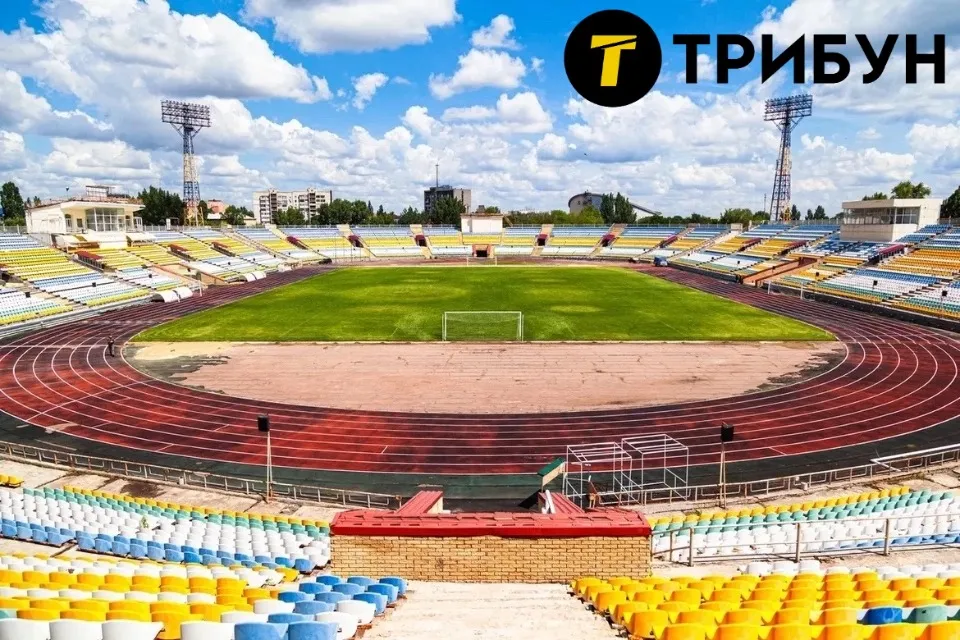
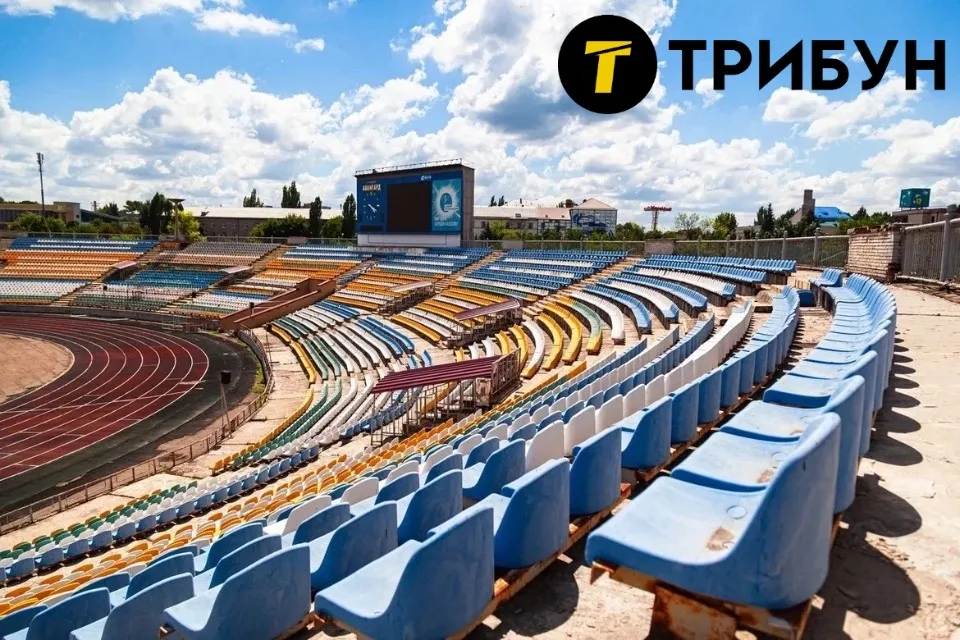
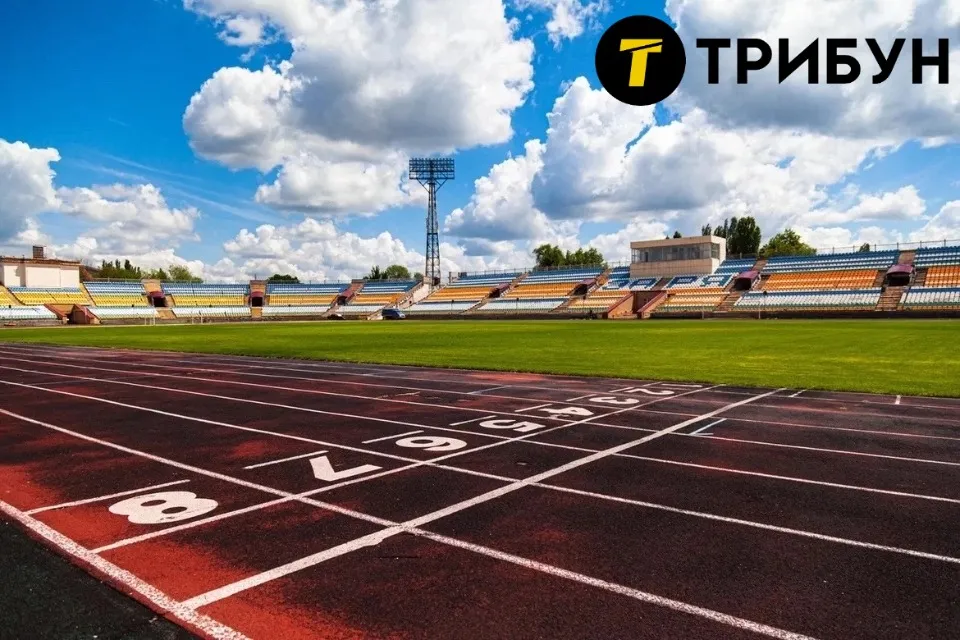
We have been able to get a photo of the "Avanhard" stadium in occupied Luhansk as of the summer 2024:
The boy recalls the exciting matches he had to watch during the occupation:
"In 2018, during the FIFA World Cup in Russia, from every window they shouted 'goal'. I remember that I couldn't hold back my emotions and shouted out the window when the Croatians knocked the Russians out of the 1/4 of the World Cup. This is probably the most exciting match in my life after the UEFA Cup Final, where “Shakhtar” won in 2008. During the UEFA European Football Championship in 2021, from every second window you could hear the games of the Ukrainian national team, and also the Ukrainian commentator Viktor Vatsko , despite hatred of the state, even pro-Russian residents continued to support the Ukrainian football team."
According to Artem Kariakin, football is something more for his fans than the state, ideology, politics. He also added that football definitely has a huge impact on people in the occupation.
"Through football, it was possible to send the necessary theses to the occupied territories, which our football clubs did not always use," says Artem.
The ultras movement was popular in Luhansk and Donetsk regions, these are: "Zorya" in Luhansk and "Shakhtar" in Donetsk. When the Russian Federation began to be a threat to the territorial integrity of Ukraine in 2014, the ultras were among the first who stood to defend our state. This once again refutes the thesis of a completely "pro-Russian region".
Among the dead "Azovians" are also activists of the ultras community - for example, an activist of the fan movement of "Zorya" Luhansk with the call sign "Akson".
"For football ultras, confrontation is a common thing," says Maksym Lysenko, a representative of the Donetsk ultras from Pokrovsk.
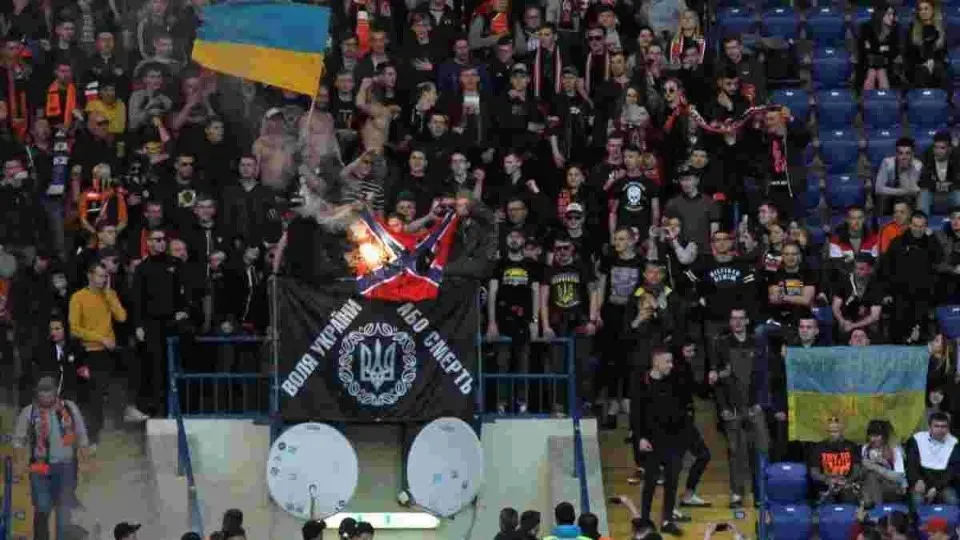
Donetsk ultras, like ultras of the entire country, played an important role in the events of 2014.
"Ukrainian ultras, for example, ultras of Metalist, Dnipro and Chornomorets, played a significant role in protecting their cities from occupation. Thanks to them, pro-Russian rallies in their cities were completely suppressed," says Maksym.
Why couldn't Donetsk and Luhansk regions do the same?
You should not compare Dnipro and Odesa with Luhansk or Donetsk. Russia did not have such "long arms (have influence)" in 2014, but the territories of Donbas were close by it. A representative of ultras from Pokrovsk tells about the reasons that "helped" to occupy part of the east:
First of all, the propaganda about pro-Russian Donbas worked well ahead of these events. Because of this, some of the local population came under influence and began to actively help the Ukraine fracture.
Secondly, the number of imported Russian ‘titushki” was much larger than in other cities.
Thirdly, complete inactivity of law enforcement bodies, and in some places support for militants. Suppression of Donetsk ultras as the main resistance force, tracking the home addresses, etc. By the way, was anyone punished for this?"
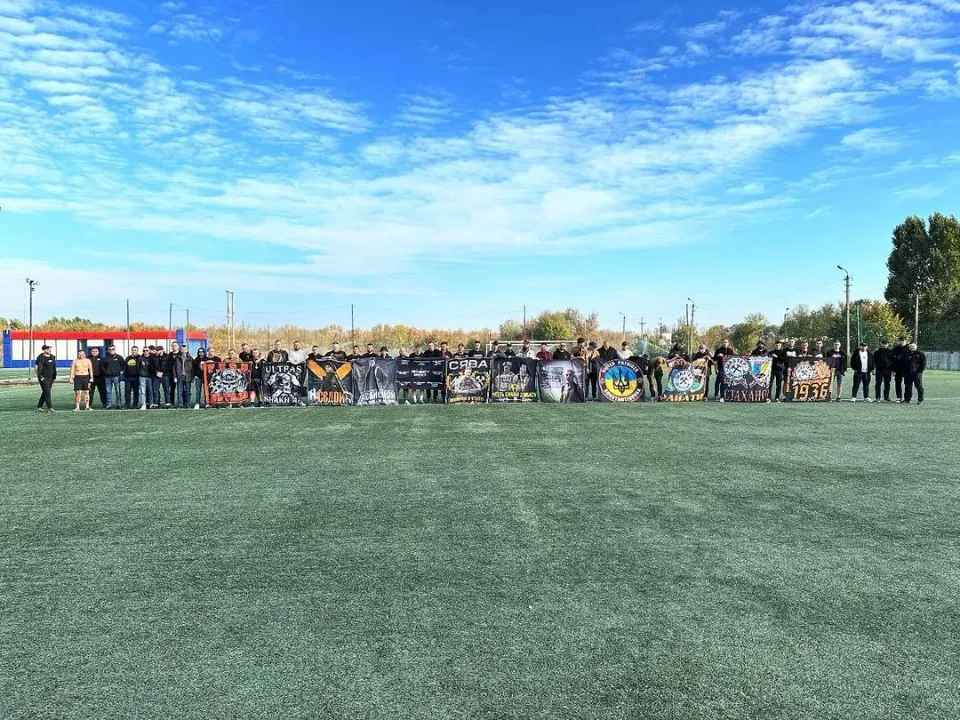
According to Maksym, the fan environment forms real great patriotism: love for one's club, region, and Motherland.
He also remembered when it was the first time for him:
"The first time I got into football was in 2008. I was at the 19th sector, and the football ultras of Shakhtar were at the 18th... I think there was a match with “Dynamo” Kyiv and I hardly remember it. After all, my attention was on the fan sector. The very next week, during another Shakhtar game, I was on the fan sector. Emotions: that's why they get to the sector."
Undoubtedly, ultras in Luhansk and Donetsk regions strengthened Ukrainian statehood.
"If you look at the ultras sectors of Donetsk and Luhansk before 2014, you can see that at every match there were Ukrainian flags, banners in the colors of the Ukrainian flag and other attributes in large quantities.
Football ultras were the foundation of patriotism throughout the country. Donetsk and Luhansk are no exception. The ultras always had an active patriotic position and it manifested in everything. It is consistent," Maksym Lysenko added at the end.
Russians often try to promote in the information space the thesis that sports are out of politics.
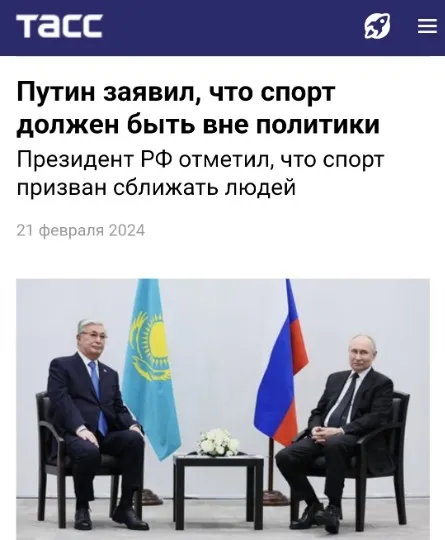
But it should be mentioned only one case, on the example of which the expression "sport is out of politics" should be forgotten forever.
At the end of July 2014, the goalkeeper of the FC "Avanhard" youth team, Stepan Chubenko, was arrested by the "DNR" militants, when the boy was returning from Kyiv to Kramatorsk. He was tortured and killed for his pro-Ukrainian position, "Karpaty" scarf and blue-yellow ribbons.
Ukrainian attributes really always stood in the way for Russians. But flags and singing the national anthem are an integral part of football.
"There were also those in the occupation who tried in every way to overcome their love for “Shakhtar” Donetsk because of the captain's armband in the colors of the Ukrainian flag. As well as someone could see that the matches continued in the free territory, which were loved by all residents of Donbas, and which Donbas lost the because of pro-Russian vector and the occupation. This could cause people to doubt the correctness of this vector, as well as nostalgia for life under Ukrainian flags, when everyone went to the Donbas Arena together," says Artem Karyakin about Ukrainians in the occupation.
So football is one of people's love indicators for their country, it cannot be out of politics. People in the occupation cheer for Ukraine because Donbas is Ukraine.