

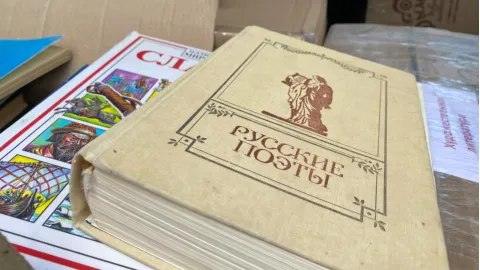
The enemy is actively importing books from various regions of the Russian Federation into the occupied territories of Luhansk and Donetsk regions, thus completely destroying Ukrainian literature in local libraries. Under the slogan "Read freely in Russian!" the occupiers urge children to study Russian writers and their works.
The TRYBUN journalist found out what books children are forced to read under occupation, where the literature comes from, and how the Russians use it for propaganda purposes
What Russian copies were added to the libraries of Luhanshchyna
The occupation authorities of the Luhansk region, during a visit to the Palace of Culture in Sievierodonetsk, reported that "the library, which is temporarily located in the same building, was visited by about 18 thousand people in a year... during the Ukrainian occupation, the librarians hid Russian-language books from the Nazis, due to which most of the classical literature was preserved. And soon the library will be replenished with new books."
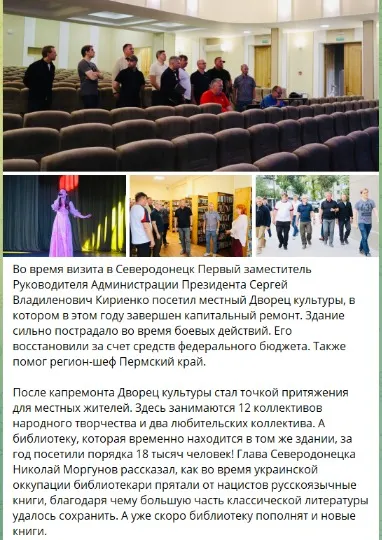
In this statement, the enemy once again emphasizes on the alleged ban on the use of the Russian language in Donbas and oppression of its use. This 10-year-old fake is being spread by the occupiers to demonstrate that due to the so-called "liberation", residents can read "Russian-language books" freely now.
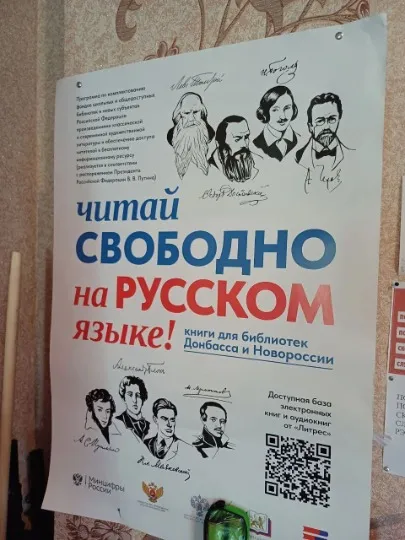
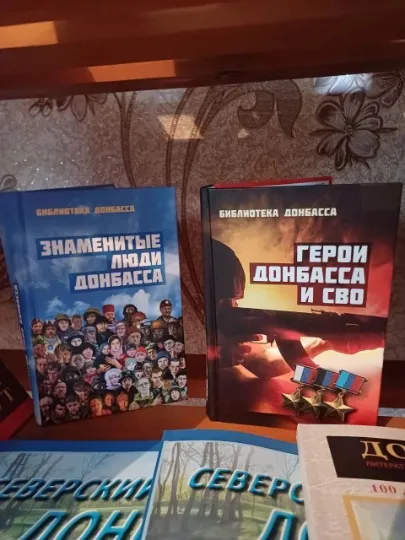
"Read freely in Russian. Books for the libraries of Donbas and Novorossiya" - such posters are posted in the occupied Luhanshchyna. For example, in Spivakivka village library: in addition to electronic and audio books on the Russian resource "Litres", which are available by QR code printed on the poster, there are paper books for reading. On the shelves you can see "Heroes of Donbas and SVO (special military operation)", "Famous people of Donbas" from "Donbas Library".
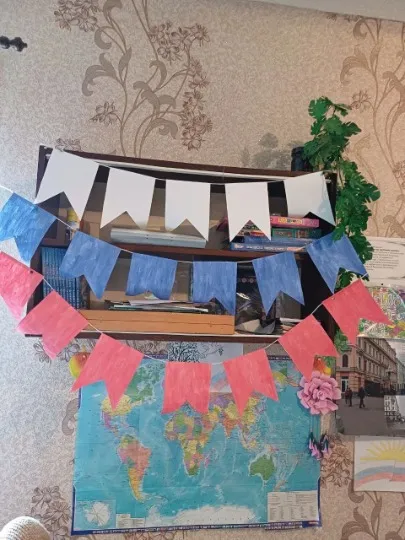
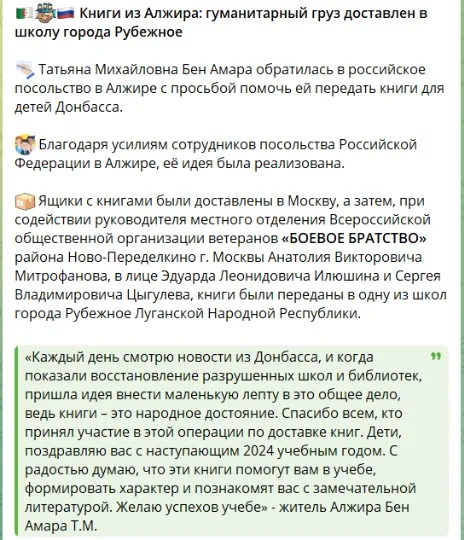
The occupiers brought several batches of books to the school libraries of Rubizhne.
For example, in early August 2024, Russian literature from Algeria was delivered to one of the schools. Children are offered to read the works of Saltykov-Shchedrin, Tolstoy, Terry, read “The Golden Calf”, etc.
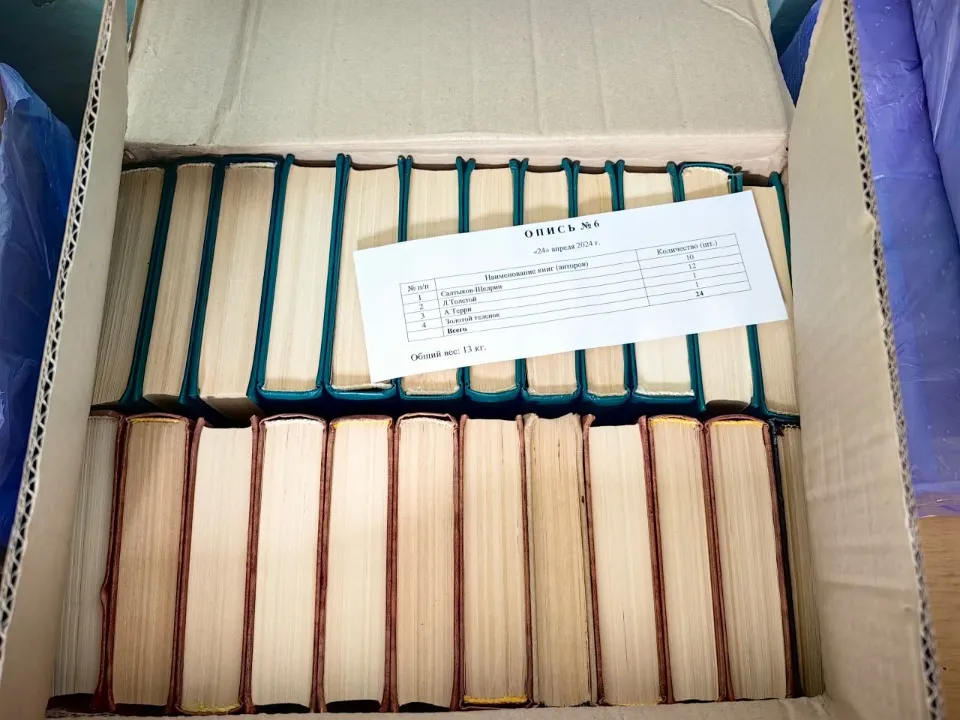
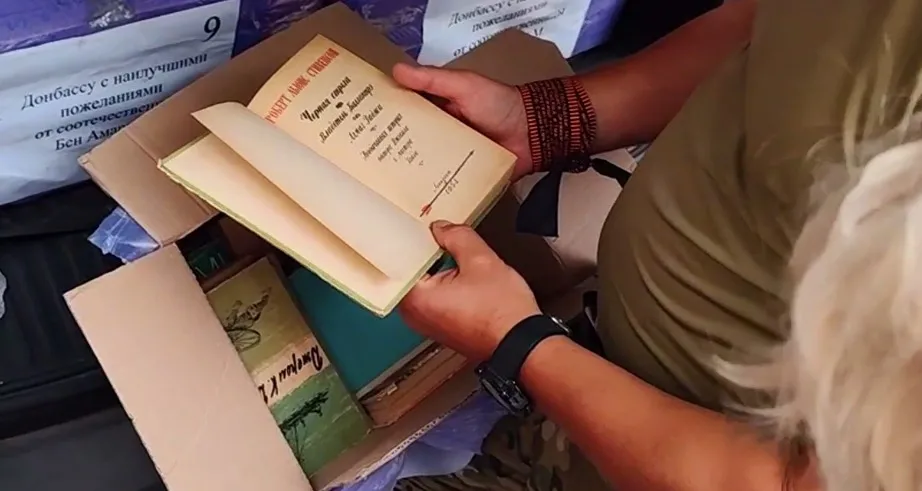
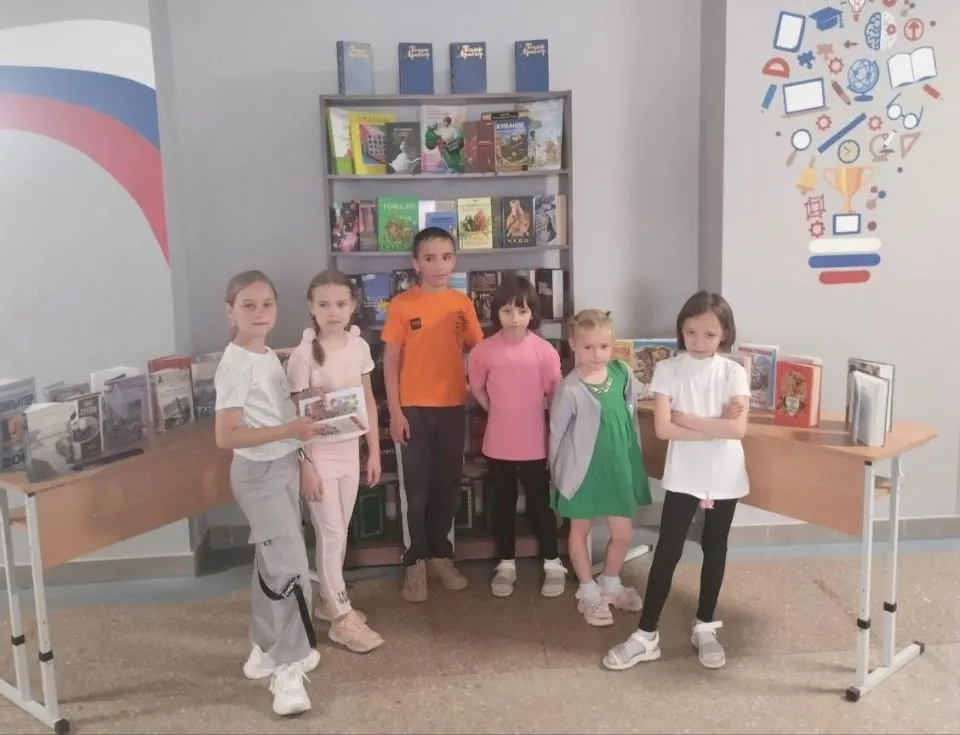
The library of the Gymnasium № 3 of the city of Rubizhne now also has enough copies of Russian books to organize exhibitions on the occasion of thematic holidays.
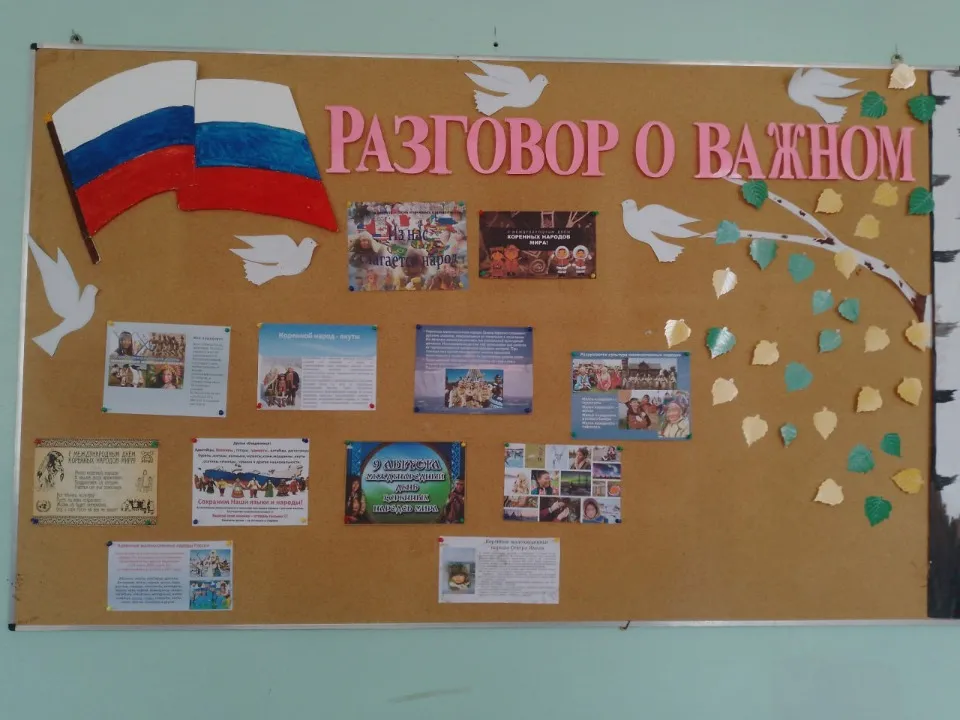
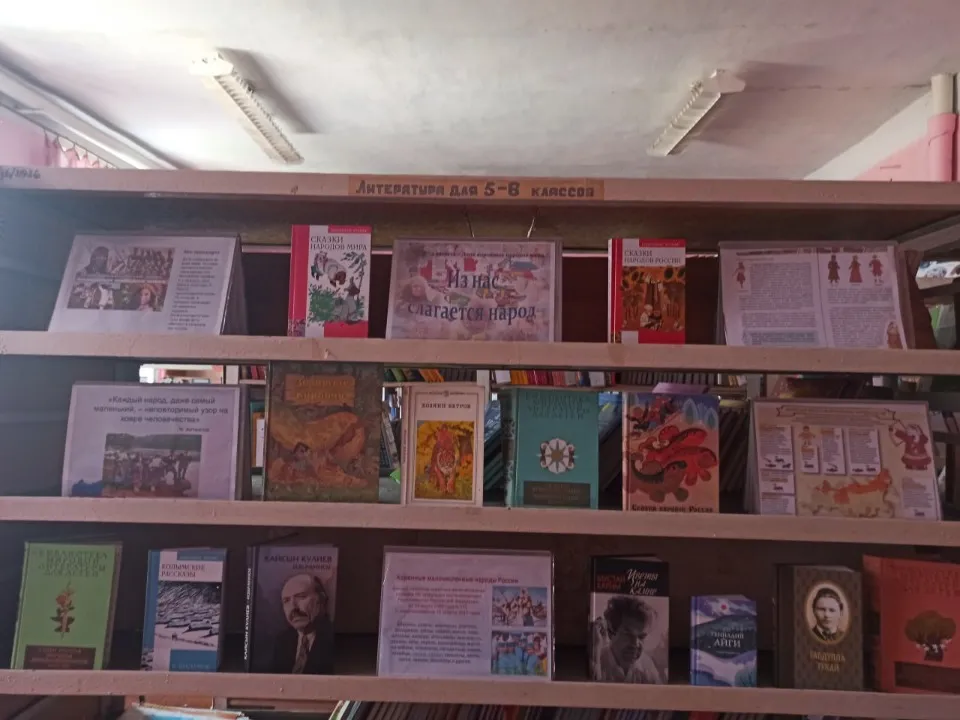
Thus, on August 9, 2024, the International Day of the World's Indigenous Peoples was celebrated in the occupation. For children it have been prepared an information stand "Conversation about the important" about the peoples of Russia and a literature exhibition "We are what make up the nation".
The occupation authorities claim that "in the school library, at the literature exhibition " We are what make up the nation”, you can get a lot of interesting and useful information about multinational Russia".
Among the books that children should read are "Tales of the Peoples of Russia", "Library of World Literature for Children", "Master of the Winds", "Kolyma Tales", "Kaisyn Kuliev. Selected Works", "Flowers on the Stone", "Gabdulla Tukay".
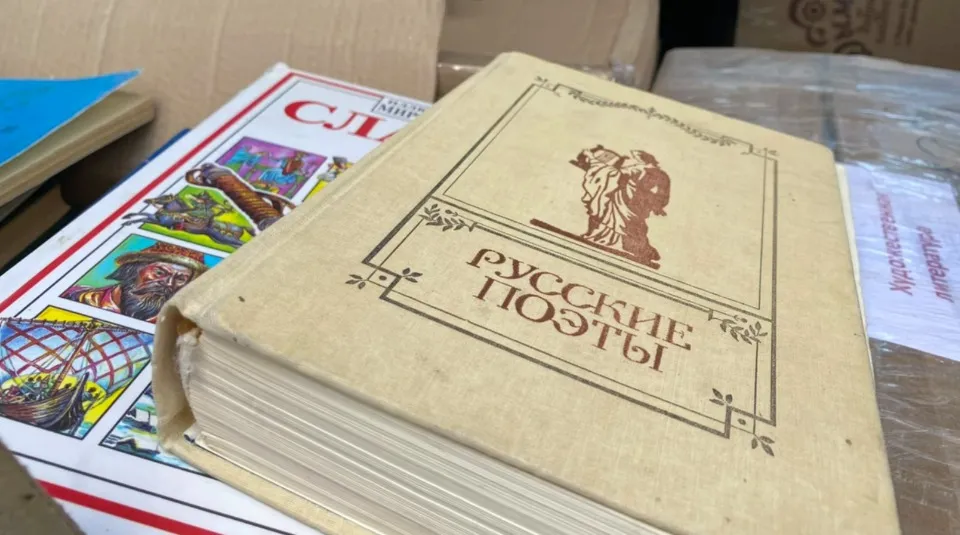
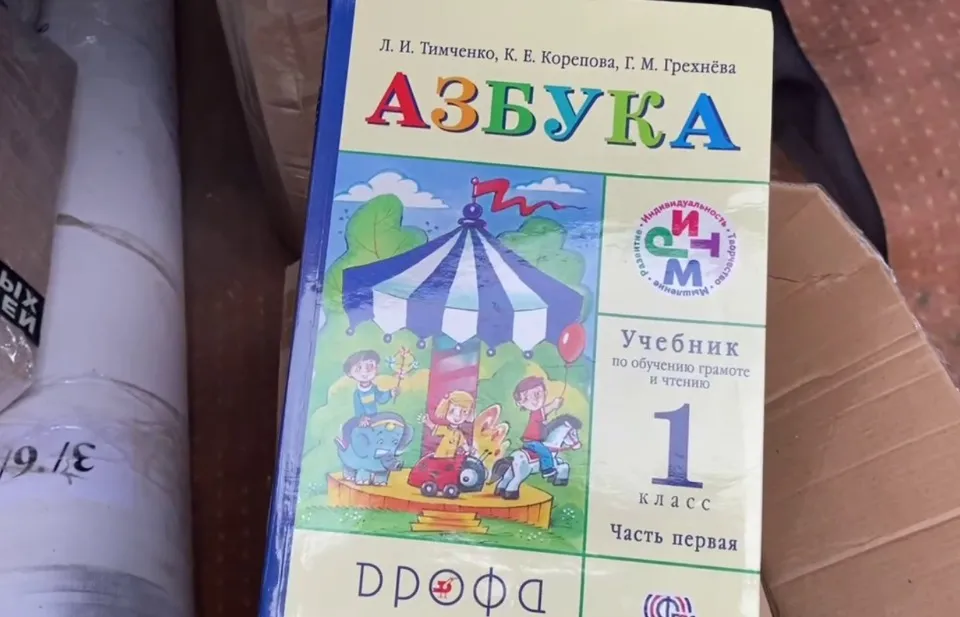
Books from the Tyumen region arrived at the Rubizhe library. Volunteers from Ugra replenished the fund with such copies as "Russian Poets", "The Slavs", "Azbuka. Textbook for teaching literacy and reading 1st grade, "Literature", textbooks for 1st and 2nd grades, etc.
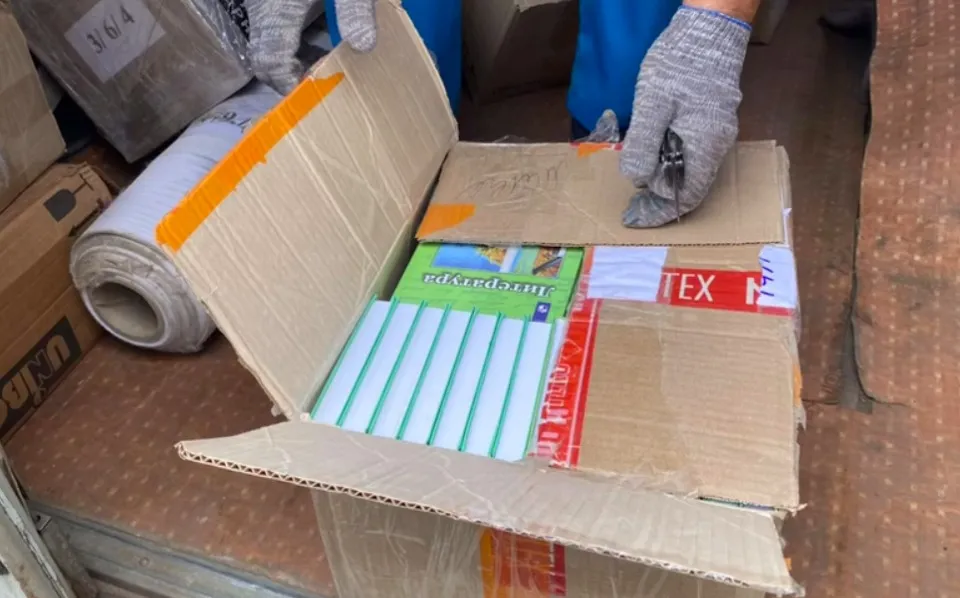
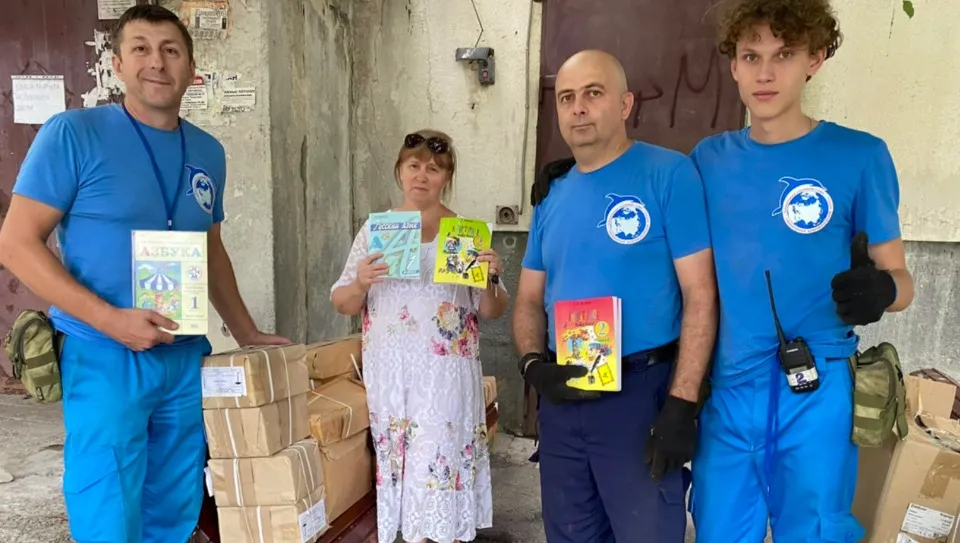
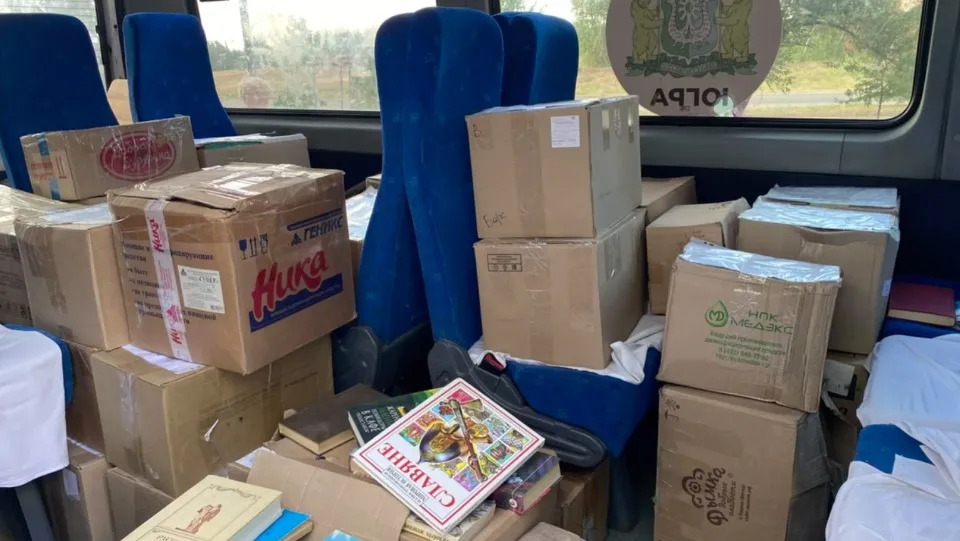
In Dovzhansk (former Sverdlovsk), the occupiers bring books from the Krasnoyarsk region to the city library. It is known that in July 2024 another 527 new editions were delivered.
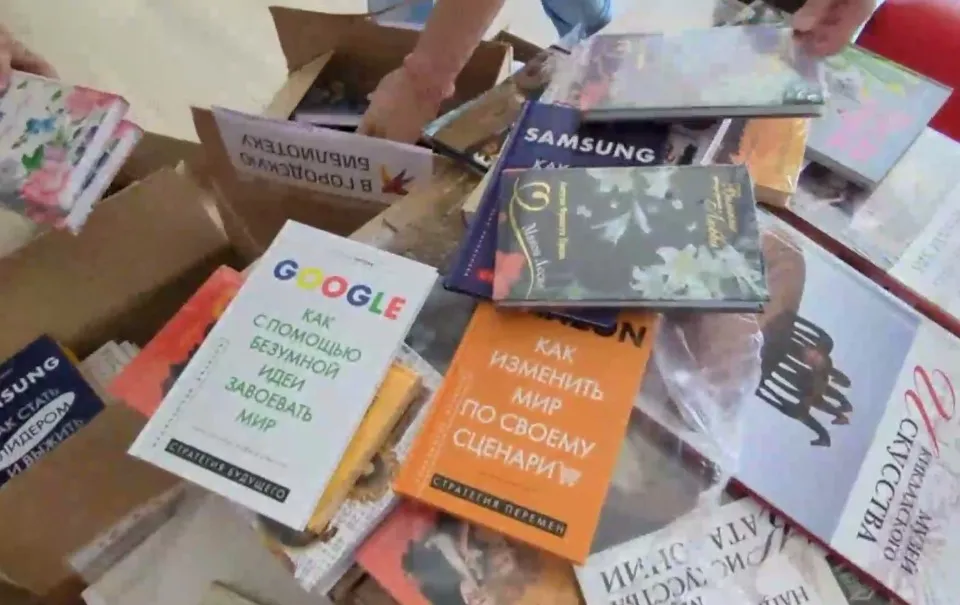
Children and adults can read "How to conquer the world with a crazy idea", "How to change the world according to your scenario", "Museum of Cycladic art". The library also has industry literature, educational literature, fiction, comics.
According to the occupation news resource "Luhansk 24", the books "were purchased by a branch of the “Komsomolskaya Pravda” publishing house, and delivered by the People's Front." In total, the people of Krasnoyarsk handed over three thousand books to the city library during this hour."
The occupiers continue to provide the newly occupied territories with the "necessary" books in order to quickly " russify" them. Do not give the local people the choice to have other educational preferences and sources of information, and to raise their children according to Russian programs.
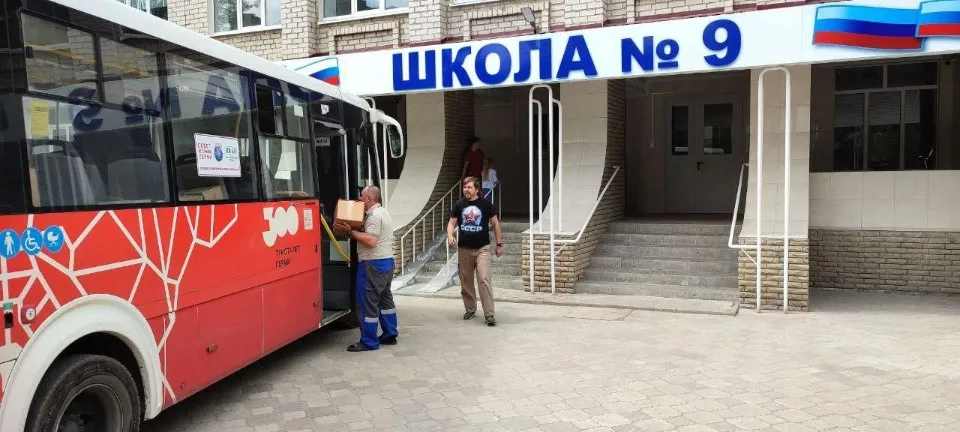
Thus, the activists of the "Perm City Council of Veterans", "Military Brotherhood (Boievoie Bratstvo)", "Union of Border Guards of the Kamia Region" presented books with Russian fairy tales, short stories, encyclopedias, children's art and reference literature to Sievierodonetsk Gymnasium № 9.
What books did the Russians bring to the occupied territories of the Donetsk region
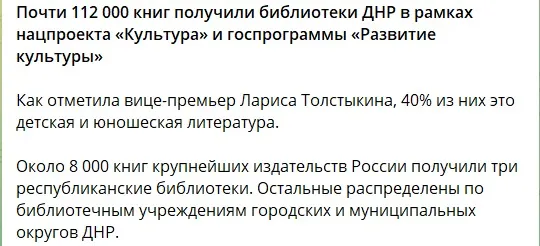
The libraries of the occupied settlements of Donetsk region received more than 112,000 books. As noted by hostile resources, "40% of them are children's and youth literature."
For example, the Russians brought 3,500 books about Pushkin and his works to Mariupol schools. This type of humanitarian aid was timed to celebrate the 225th anniversary of the poet's birth.
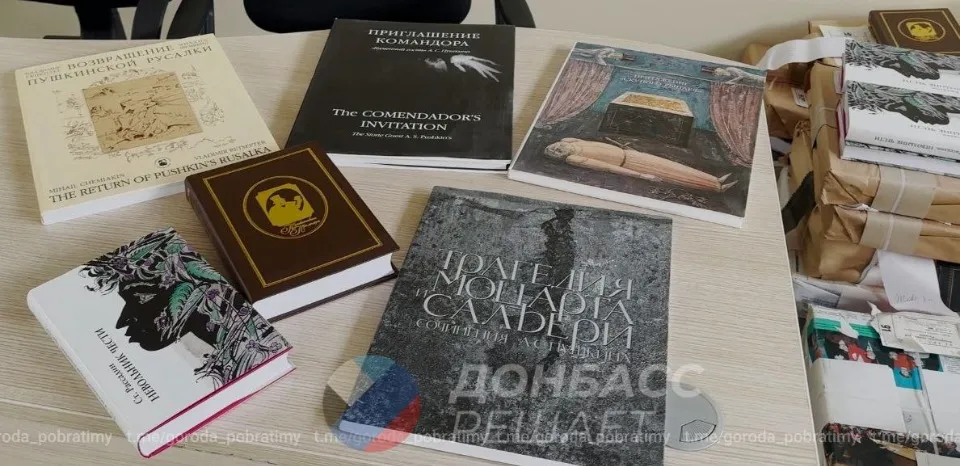
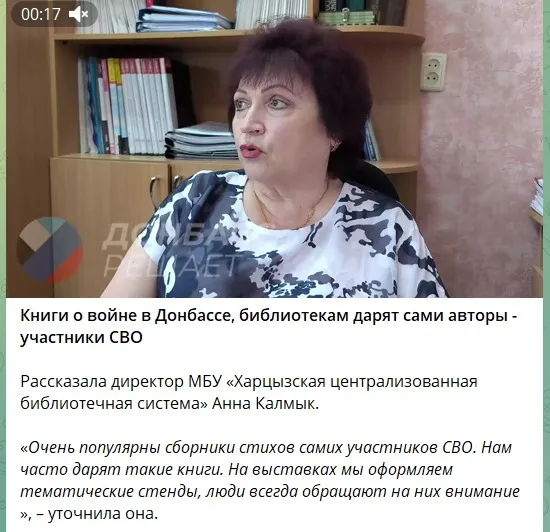
Publications about the war are popular in the Khartsyzk library. They are presented to the institution by the participants of the so-called "SVO".
About the books, the director says that "at exhibitions, we arrange thematic stands, people always pay attention to them."
But Ukrainian publications are still stored in occupied Donetsk. They are called "literature of extremist and nationalist content." We are talking about "3.5 thousand books, textbooks and brochures praising Bandera, Shukhevich and Hitler". This is exactly the description they have in the occupation.
In the Russian story, the librarian emphasizes that "only scientific specialists and law enforcement officers are allowed to visit them." These books are kept in a separate room, locked up.
Therefore, children and adults in the occupied territories of Luhansk and Donetsk regions have access exclusively to Russian literature, which the enemy brings from various regions of the Russian Federation. This humanitarian aid is one of the tools of propaganda, the purpose of which is "russify". In this way, the enemy destroys Ukrainian culture and completely limits people's access to anything related to Ukraine.
Children under occupation are forced to read Russian fairy tales, books about the war and its participants, and study from Russian textbooks. After all, there is no other choice of literature in local and school libraries.