

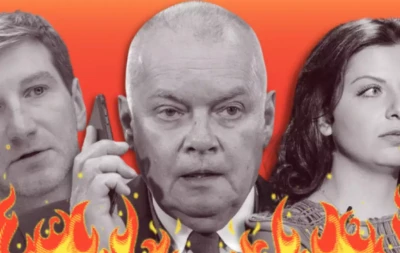
Russian President Volodymyr Putin announced a so-called "special military operation" on the morning of February 24.
According to Putin, the "demilitarization" and "denazification" of Ukraine, as well as the supposed protection of the residents of the so-called "DPR" and "LPR" are the goals of the war. The Kremlin was counting on quick success, but with the occupiers' failures at the front, the rhetoric began to change from the slogan "Capturing Kyiv in three days" to talk of peace, accompanied by a huge number of fakes.
"Trybun" investigated how the mood of Moscow changed during the 9 months of the war.
The beginning of the Russian full-scale invasion
On the morning of February 24, Putin announced that they had decided to conduct a special military operation.Its purpose is to protect people who have been subjected to abuse and genocide by the Kyiv regime for eight years. Russia needs the demilitarization and denazification of Ukraine to achieve it. Another purpose is to also bring to court those who have committed numerous bloody crimes against civilians, including citizens of the Russian Federation.He placed the responsibility for possible bloodshed on the Ukrainian authorities.
Putin called on the Ukrainian military to seize power, saying that it would be easier to negotiate with the military than with a "gang of drug addicts and neo-Nazis" in Kyiv who "taken the entire Ukrainian people hostage."He said that only "national formations that are responsible for the genocide in Donbas" fought against the Russian military.
After that, Kremlin propagandists were already celebrating the victory.The writer Zakhar Prilepin gave the occupiers three days to complete the blitzkrieg.TV propagandist Olha Skabeeva promised Kyiv "two days, and then the fall of the city."
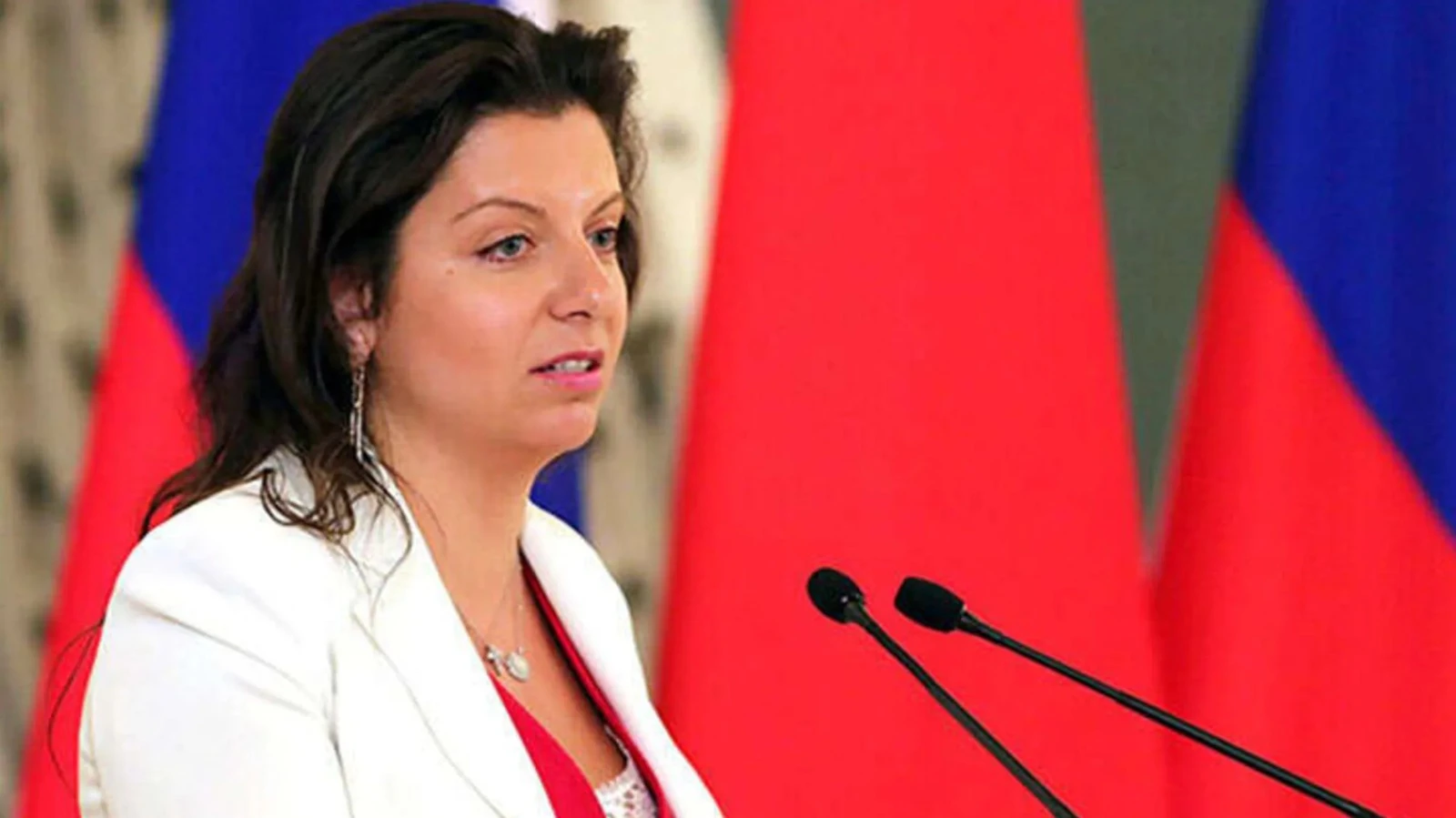
The head of RT, Margarita Simonyan, wrote in a Telegram post dated February 24 that she was allegedly very concerned that peaceful people should not be harmed in the process of "denazification".
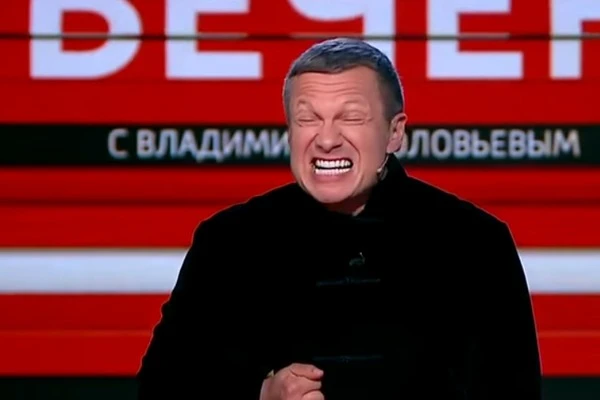
Kremlin propagandist Volodymyr Solovyov began the broadcast of his program "Solovyov LIVE" on February 26 with a call to think about the fact that the Russian Federation is allegedly engaged in the "liberation" of all of Ukraine and Donbas in particular.At the same time, Solovyov called the President of Ukraine Volodymyr Zelenskyi a "drug addict" and accused him of not caring about what is happening.
Already on February 26, "RIA Novosti" prepared a large article in advance in honor of the quick "victory" in the war with Ukraine.The article proclaimed that "Russia was restoring its historical integrity" and "Ukraine as anti-Russia would no longer exist."
However, the country resisted. Therefore, the Kremlin's rhetoric has also undergone changes. In a matter of weeks, the words "demilitarization" and "denazification" have disappeared, and Russian officials' statements have become more cautious.
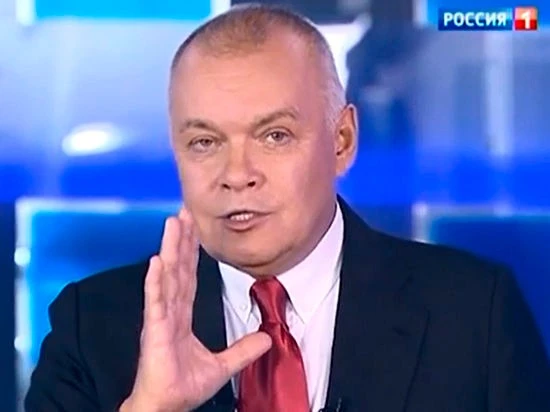
On February 27, on the air of the program "Vesty Nedeli" on the state channel "Russia-1", Dmytro Kyselov tried to justify the beginning of the so-called "special operation" by the fact that Russia does not like the division of people into classes, and this is what Kyiv allegedly does.
"Only military objects are destroyed. The attitude towards civilians and cities is really caring", Kyselov assured.
The propagandist talked about "Ukrainian punishers" who allegedly tortured people in Donbas, and emphasized that impunity seems to flourish in Ukraine with the permission of the authorities. At the same time, Ukraine and Russia were allegedly called "one, divided nation" on the "Vestei" broadcast, and Ukrainians, who are aware of their own identity, were portrayed as "corrupted Russians" who are incited by NATO to hate Moscow. Instead, Kyselov spoke of Russia as a missionary country that supposedly took on the hard work of "eradicating Nazism" for the sake of the public good.
On March 16, Putin stated that "the appearance of Russian troops near Kyiv and near other cities of Ukraine is not related to the intention to occupy this country, Russia has no such goal", and Olha Skabeeva suddenly remembered that, it turns out, the Armed Forces of Ukraine are "the second army in Europe after Russian".
On the show of propagandist Volodymyr Solovyov, they began to console themselves with the fact that the "invincible army" is not at war with Ukraine, but with the entire NATO bloc.
Also, according to him, Ukraine seemed to be trying to obtain nuclear weapons, and therefore the offensive of the Ukrainian military on the occupied part of Donbas was only a matter of time, so Russia had no other option to ensure its security, except to carry out a special military operation.Putin said that the Russian military was doing everything to avoid casualties among the civilian population of Ukrainian cities, and the West was encouraging Kyiv to continue the bloodshed by supplying weapons, intelligence and sending advisers and mercenaries.
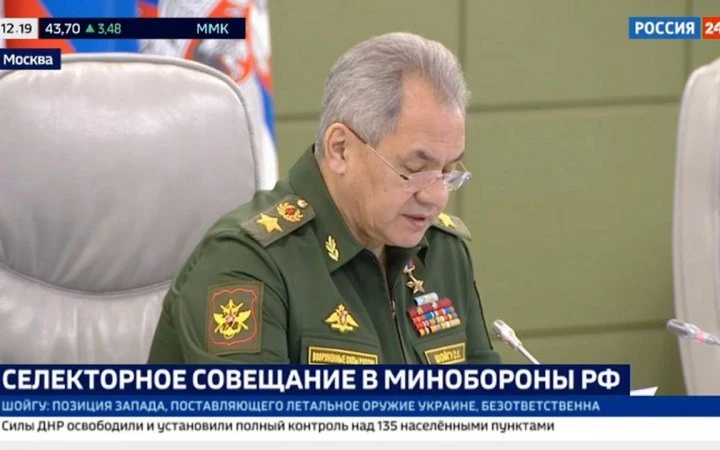
On March 29, shortly before the escape of the occupiers from the Kyiv region, the Minister of Defense of the Russian Federation Serhii Shoihu announced that the goals of the first stage of the "special military operation" had been fulfilled.
It also became known that during the ceasefire negotiations, Russia is ready to abandon the "denazification" and "demilitarization" of Ukraine, but Ukraine must abandon NATO in exchange for security guarantees and the prospect of joining the EU.Such a change in rhetoric, of course, arose because the Russian Federation did not expect such resistance from Ukrainians.
"Gesture of goodwill"
On April 6, Putin's spokesman Dmytro Pieskov called the escape of the occupiers from Kyiv oblast a "gesture of goodwill."
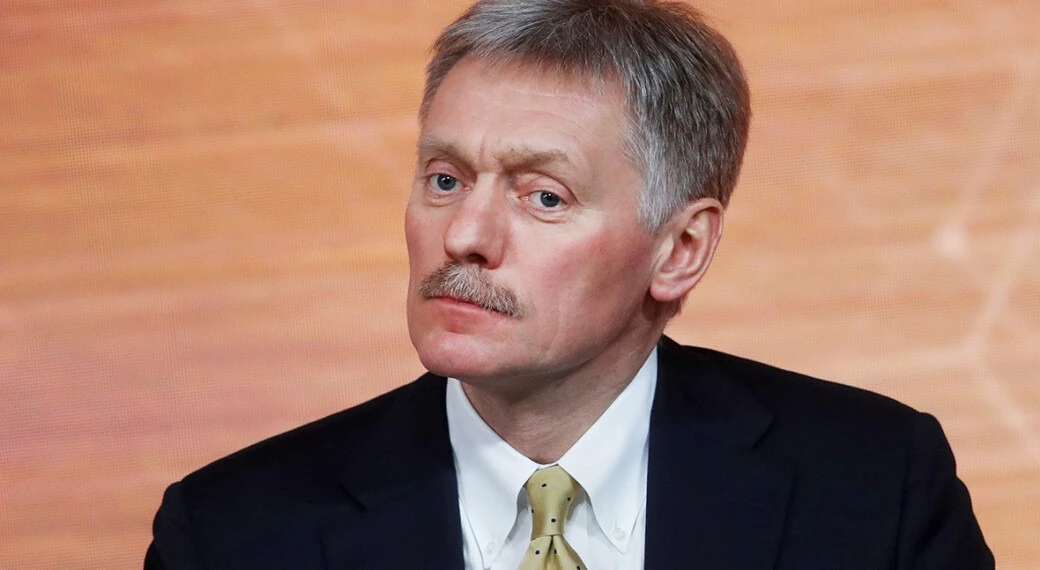
A few weeks later, when the Russian army was preparing for its first "gesture of goodwill", propagandist Olha Skabeeva first called the occupation of Ukraine the goal of the "special operation".
"The second stage of the military operation", aimed at the complete capture of Donbas, also did not go according to the Kremlin's plan.Despite the expectation of military experts that Moscow will try to seize Donbas by May 9, it quickly became clear to everyone that this will not happen.
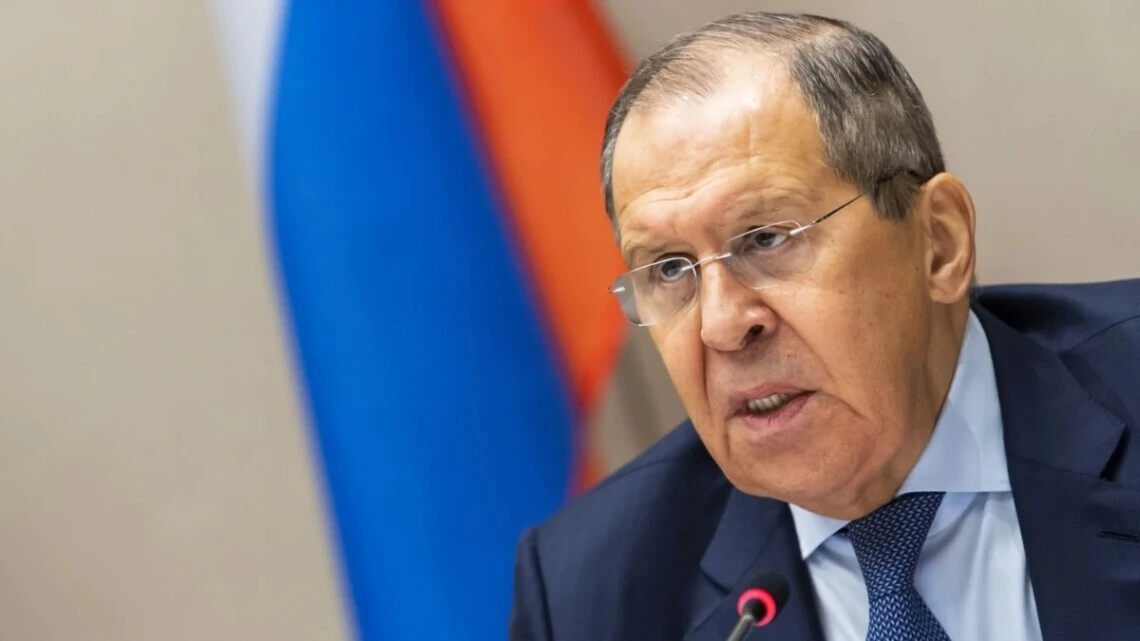
On May 1, Russian Foreign Minister Serhii Lavrov stated that the Russian Federation did not aim to change the government in Ukraine, they only demanded that the President of Ukraine would give up and order to release of all civilians and end the resistance. Volodymyr Zelenskyi was recognized as the legitimate president, although before that Putin called on the Ukrainian military to carry out a coup d'état.
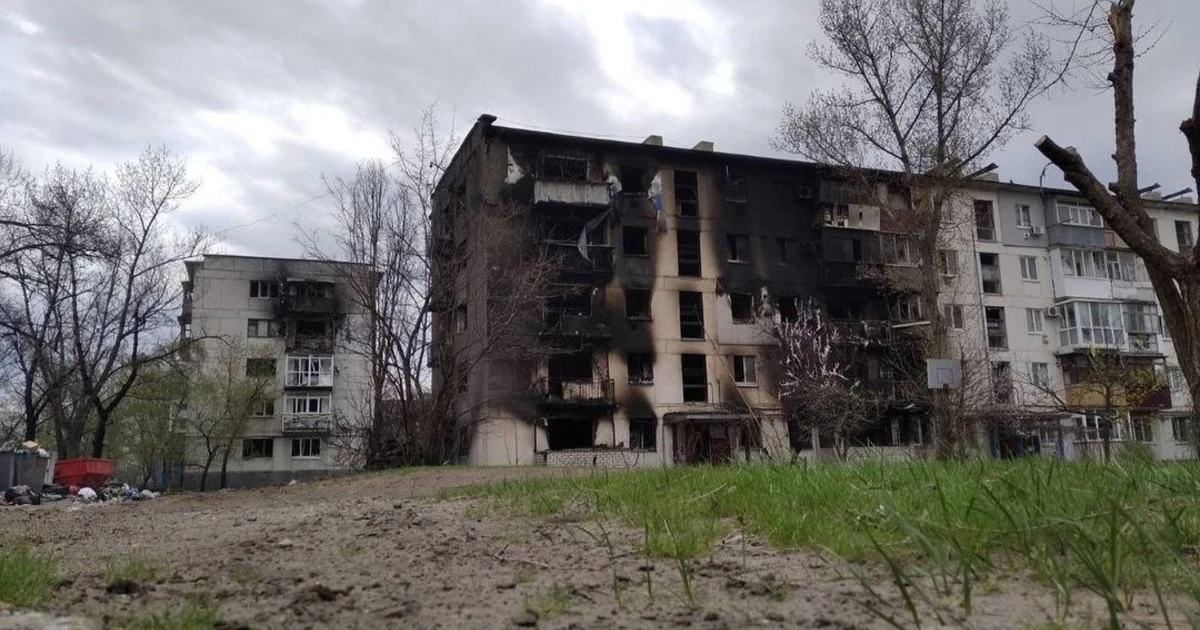
At the end of June, the Russian troops captured Luhansk oblast at the cost of great efforts, but the occupiers received a decent rebuff in Donetsk oblast and other areas.
On June 29, Putin called the seizure of Donbas the final goal of the war - he did not mention "denazification and demilitarization" anymore.
"On February 24, I said this directly, publicly, to the whole country, to the whole world. Nothing changed.The final goal is the liberation of Donbas, the protection of these people, and the creation of conditions that would guarantee the security of Russia itself. That's all. And the work goes smoothly, rhythmically. Well, as you can see, the troops are moving and reaching those boundaries that are set as tasks at a certain stage of this combat work," he noted and assured that "everything is going according to plan."
Putin considered the invasion of the Kyiv, Chernihiv, Sumy oblasts at the beginning of the war by Russian troops to be "diversionary actions."
In another "step of goodwill" on June 30, Russia announced the escape from the Zmiinyi Island.
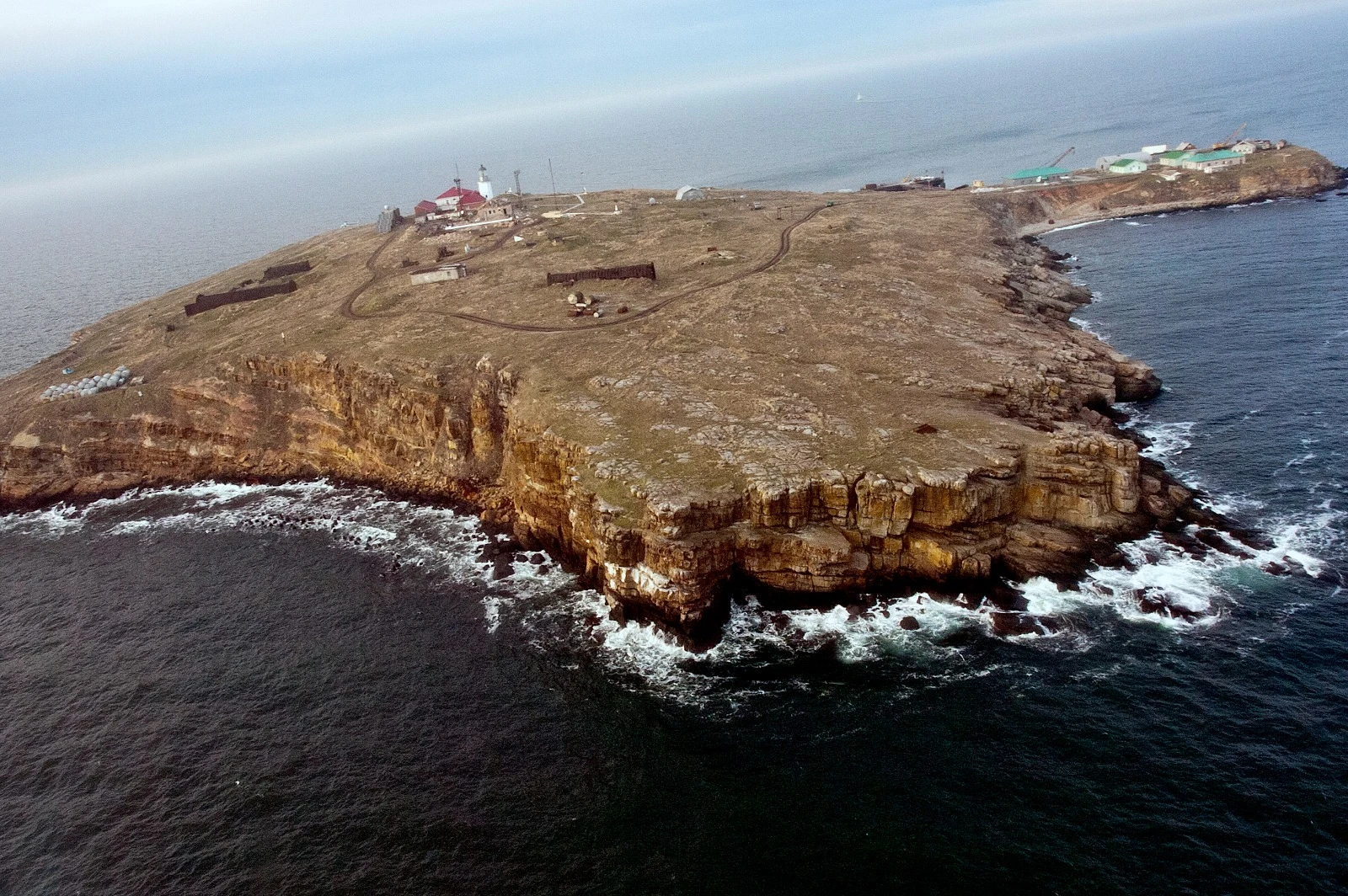
As the Kremlin's propaganda explained, "the decision of the Russian Armed Forces to withdraw the garrison from the Zmiinyi Island will not allow Kyiv to speculate on the impossibility of exporting grain."
In July, the already mentioned Solovyov declared that the Russians should "go to Transnistria", and therefore they need all Ukrainian territories and it is not only about the east of the country.
Further, Solovyov compared Ukrainians to worms, from which a veterinarian treats a cat with the help of a "special operation", Skabeeva said that Ukraine is a "non-existent country". All this was broadcast on the airs of the state-run Russian mass media, and therefore "implanted" in the heads of millions of Russians.
"De-Europeanization" and "De-Ukrainization"
After it became known that the Russian occupiers had set up in Bucha, the pro-Kremlin edition "RIA Novosti" published an article "What Russia should do with Ukraine", in which they openly talk about the extermination of the majority of Ukrainians and the establishment of total censorship and dictatorship for those who were "released ". "Denazification" was planned for 25 years.
They also point out that it is necessary to punish everyone, because the majority of the Ukrainian people were drawn into their politics by the Nazi regime.
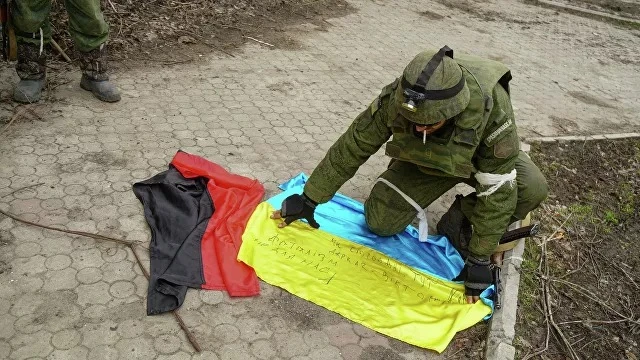
According to them, "Denazification" is a set of measures against the "Nazified" mass of the population, which technically cannot be subjected to direct punishment as war criminals.The Ukrainian people were called "passive Nazis." Further "denazification" is seen as re-education through the suppression of Nazi attitudes and strict censorship not only in the political sphere, but also in culture and education.
"The terms of denazification cannot be less than one generation, which should be born, grow up and reach maturity in the conditions of denazification," propagandists declare.
If earlier the Russian Federation agreed that Ukraine could join the EU, then this article says that there can be no compromises. What is more, even the name Ukraine cannot be preserved, and there must be people's republics on its territory, which will "atone for the guilt before Russia for treating it as an enemy". "Denazification" itself will also be de-Ukrainization, because it is said that Ukrainization was launched back in the days of Soviet power, "artificially inflating the ethnic component of the self-identification of the population of Little Russia and Novorossiya."
The propagandists stated that "de-banderization" will not be enough for "denazification", as "inevitable de-Europeanization" is also needed. "Banderivska top" must be liquidated, its re-education is impossible. The article also states that the haters of Russia will go to the west of Ukraine, but Moscow will continue the "military operation" at the first opportunity and create there "a territory of potential integration into Russian civilization, anti-fascist by its internal nature."
In addition, an important propaganda trend that was widely used in social media in the first months of the war is the idea of the alleged historical unity of Russians and Ukrainians. The ideological basis for this trend was given, in particular, by Putin's article, which was published by him in July, "On the historical unity of Russians and Ukrainians."
The main theses here are: Ukrainians are an eternal, inseparable part of the "three-united Russian people", the Ukrainian language is only a dialect of the Russian language, Ukraine is an artificial state that arose only in the 20th century thanks to the USSR, etc.
Also, the propagation of various conspiracy theories became a propaganda trend of disinformation and propaganda, for example:
- The West, which is the representative of the "world government", provoked Nazi sentiment in Ukraine and armed it to take over Russia; NATO is trying to surround Russia with the hands of Ukrainians and seize power in the world by military means;
- genetic weapons against the Russians, developed in American biolaboratories was created on the territory of Ukraine.
Calls for the use of nuclear weapons
The successes of the Armed Forces, supported by the supply of Western artillery systems and air defense equipment, forced the Kremlin to look for an excuse for the failures of its army.
On August 24, Russian Defense Minister Serhi Shoihu stated at the summit of the Shanghai Cooperation Organization that the aggressor country was deliberately slowing down the pace of its offensive in Ukraine in order to supposedly minimize casualties among the civilian population.
"Strikes are carried out with high-precision weapons against the objects of the military infrastructure of the Armed Forces of Ukraine: control points, airfields, warehouses, fortified areas, objects of the military-industrial complex.At the same time, everything is done to avoid casualties among civilians. Of course, this slows down the pace of the offensive, but we are doing it deliberately," Shoihu emphasized.
Already on September 4, Putin's press secretary Dmytro Pieskov stated that Russia's war against Ukraine should end at the negotiating table.
In response, the Office of the President of Ukraine stated that negotiations with Russia were possible, but only on Kyiv's terms.
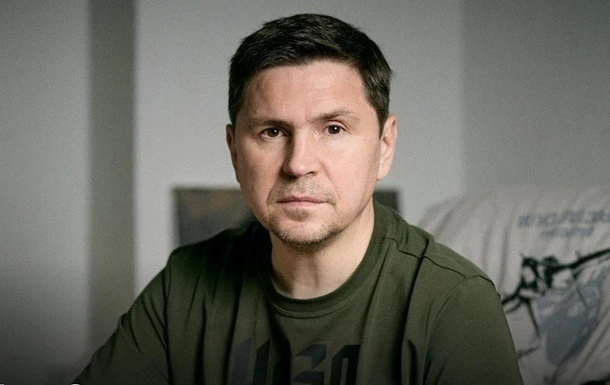
"Once again, I will remind you of the basic axiom. Negotiations are possible, but only on Ukraine's terms: after the return of territories and the liquidation of criminal enclaves. It is clear that the "birds of Putin's nest" are not ready to understand the new reality and continue to replenish the lists of the "200" with their own recruits." - Mykhailo Podoliak, adviser to the head of the Office of the President of Ukraine, wrote on Twitter.
In mid-September, for the first time in the entire war, Putin's propaganda admitted that the Kremlin had been defeated on the battlefield.Russia lost control over Kharkiv oblast, which was occupied in the first days of the war. The Ministry of Defense of the Russian Federation offered a similar explanation for its failures in the Kharkiv direction. Propaganda spread the narrative that Russia was withdrawing troops to regroup.
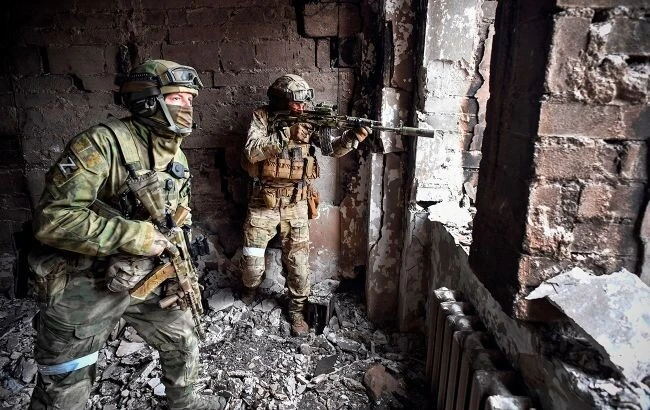
From that time on, the propagandists began to “change their shoes in the air”.
"In a hot war, we will defeat Ukraine in two days," claimed propagandist Margarita Simonyan on air in February. In autumn, she began to conciliately think about the joint past and future, where they will learn both Russian and Ukrainian.
In September, even one of the Kremlin's main mouthpieces, Volodymyr Solovyov, changed his confident rhetoric to: "I'm kind of worried, it doesn't matter."Of course, we would like ours to only press, only to attack, but in life it doesn't happen like that. It's important how everything ends."
Two weeks later, Lyman and several nearby settlements in Donetsk oblast were liberated, and propagandists began mass calls for missile strikes on Ukraine's critical infrastructure.These new theses sharply contrasted with previous statements that Russia does not strike civilian objects.
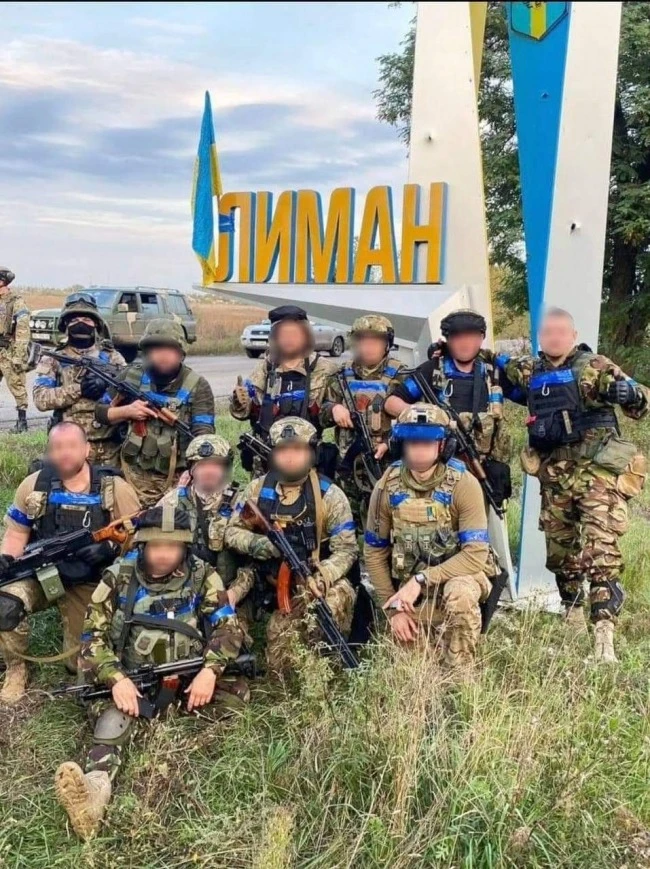
Another consequence of the liberation of Kharkiv oblast and populated areas of Donetsk oblast and the activation of the Armed Forces of Ukraine in Luhansk oblast was speculation by the Russian mass media on the issues of mobilization and "referendums" in the temporarily occupied territories of Ukraine.
Despite the defeat, retreat and flight from Kharkiv and Kherson oblasts, the occupiers do not stop trying to integrate the captured Ukrainian lands.
First of all, the Russian occupation administration closed access to alternative sources of television, radio broadcasting and the press, blocked or tried to censor the Internet.This is accompanied by the destruction of people's traditional sources of information, starting with the seizure and burning of books from public libraries and educational institutions and ending with the introduction of their own controlled Internet providers.The invaders pay special attention to the younger generations and children whom they hope to raise in a spirit that is contrary to the civic beliefs and life experience of their parents.
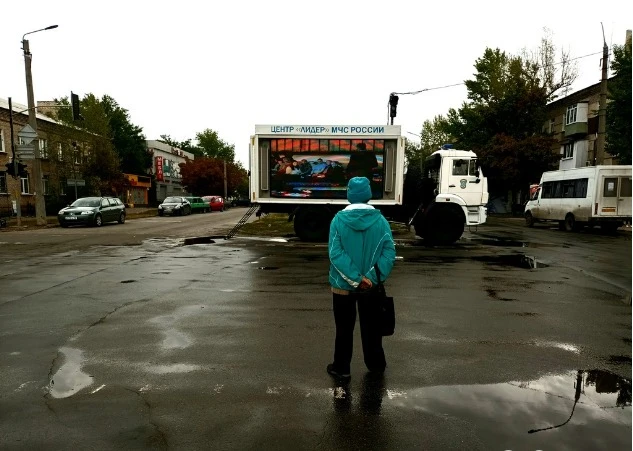
The Ukrainian counteroffensive in Kharkiv oblast at the beginning of September once again "warmed up" the Russians, who began to invent new ways to destroy Ukrainians, to call for more active strikes on Ukrainian infrastructure and even a nuclear strike.
So, for example, the head of one of the factions of the State Duma, Serhii Mironov, in early October declared the need to "once and for all destroy the entire infrastructure of Nazi Ukraine - all traction substations, all power plants, all bridges - road and railway."At the same time, Kadyrov also was calling for the use of tactical nuclear weapons against Ukraine.
On October 27, Putin said that there was no need for Russia to use nuclear weapons against Ukraine, and claimed that Russia had never discussed the possibility of using nuclear weapons, only "alluding to the statements of the leaders of Western countries."
However, nuclear rhetoric used to be much more powerful. During Putin's annexation speech on September 30 and throughout October, Putin and key Kremlin officials mentioned the use of nuclear weapons much more frequently.
Massive strikes on civilian infrastructure and calls for genocide
After the bombing of the Crimean bridge on October 8, in which the Federal Security Service of the Russian Federation blames the Ukrainian special services, massive attacks on the infrastructure of Ukraine began.
After the massive Russian missile attack on Ukraine on October 10 and 11, Kremlin propagandists tried to focus attention on two things - the Crimean bridge and the cold winter. However, revenge for the Crimean bridge" did not circulate in the Russian media for so long.The message about "destroying infrastructure as a goal to deprive Ukrainians of electricity" turned out to be dominant.
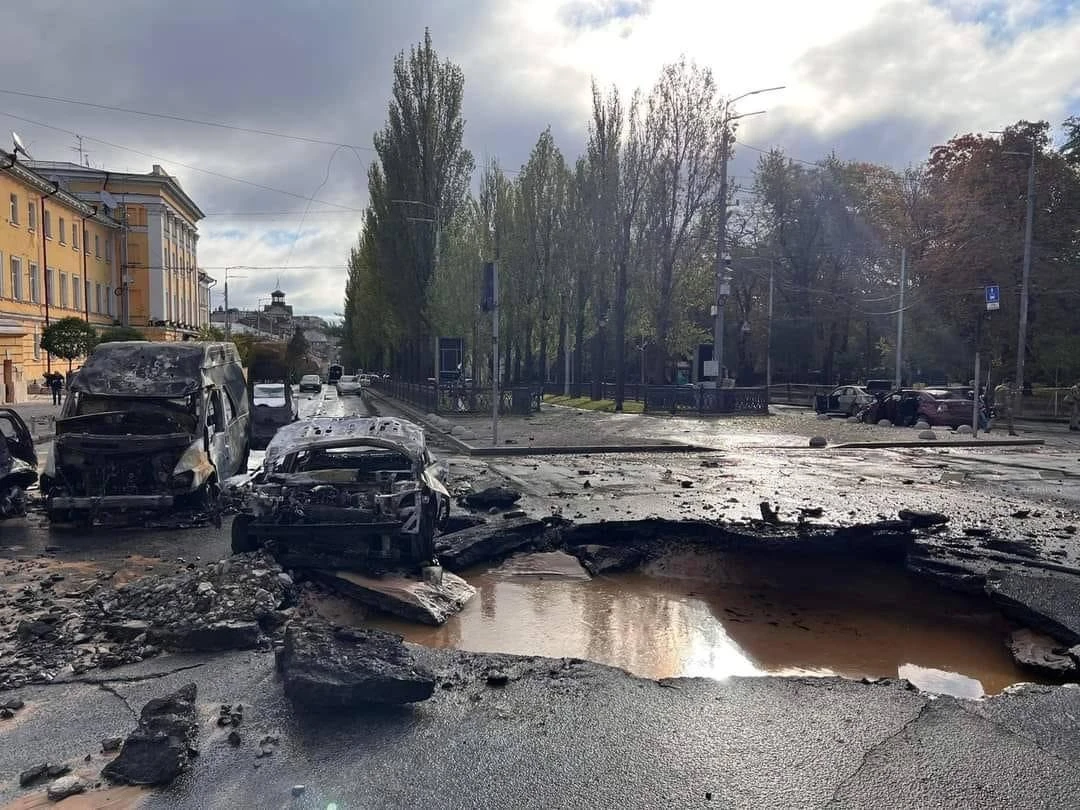
On October 11, the day after the massive rocket attack, propagandist Petro Akopov called on the Russian authorities not to stop and launch missile strikes until the complete destruction of the civilian infrastructure of Ukraine, despite the humanitarian catastrophe caused by this destruction.There were calls to "finally return Ukraine to the Middle Ages" or the "Stone Age".
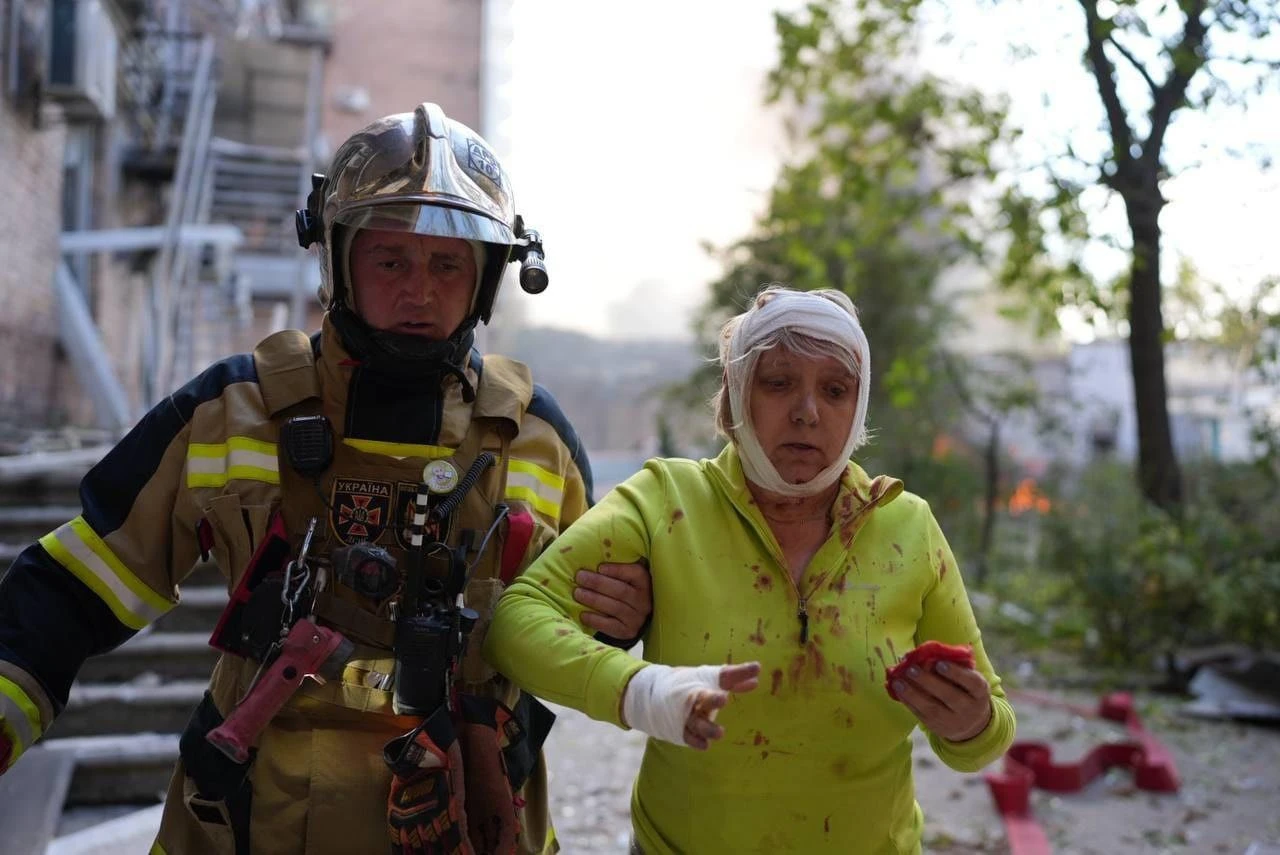
This is what another propagandist, Anton Krasovsky, wrote on the morning of October 17, when a mass attack by suicide drones was carried out on Kyiv, resulting in the death of four people, including a pregnant woman.
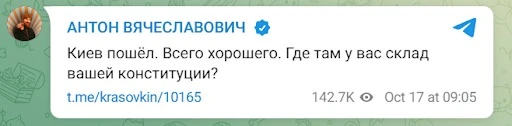
He also called for Ukrainian children to be drowned and burned.
By the way, Simonyan, who after the incident with Krasovsky emphasized that she did not share her colleague's position, very recently, before that, made publications about how much she dreams of striking the bridges that cross the Dnipro River. And this was even before the Crimean bridge was blown up.
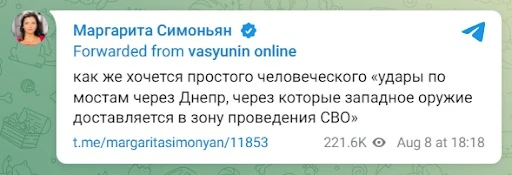
The direct involvement of Solovyov and Krasovsky in facilitating Russia's invasion of Ukraine has been recognized at the international level. In particular, they were sanctioned by Canada, Great Britain, Australia, etc.
But Serhii Mardan, the host of Komsomolska Pravda radio, has not yet been sanctioned despite the extremist statements made during his program " Utrennyi Mardan".
"You know how they corrected it yesterday, it's very funny: these are not Iranian Shahid drones, it's just that our good Iranian partners taught us how to make Geran drones from lawn mowers.Even so! I don't care what they are called: the beautiful Arabic word "Shahid" or the beautiful Russian word "Geranium" - may it fly and fall on the heads of the Khokhols,"- Mardan emphasized on the air after Russia's attacks on Ukrainian cities with suicide drones.
"Special operation" became a war
Recently, the words "denazification" and "demilitarization" began to disappear from the airwaves of Russian TV channels.In recent weeks, Putin has never used them. The change in the rhetoric of Russian officials and ordinary citizens is evidence that the war is not developing according to the scenario of the Putin regime. The authorities began to be openly criticized for the fact that Ukraine is liberating its territories, and Russia is retreating. Mobilization is increasingly called late and unsuccessful. It is becoming more and more difficult to explain the latest events within the framework of the "special operation".
Those who took an active position and demanded the "demilitarization" of the entire West are now saying completely different things.In Russia, there was talk of a convenient scenario of ending the war on honorable terms and easing economic sanctions. However, the system created by the Putin regime cannot stop.
Calls for negotiations
The signals from Russia, the change in the rhetoric of the war, indicate the growing chaos in society, which can lead to unpredictable consequences. But the closer the time of defeat, the more senseless become the rhetoric of war.
The word "Kherson" has already disappeared from the Russian media space after the liberation of the city from the occupiers.
Mykhailo Podoliak, adviser to the head of the President's Office, noted that yesterday the annexation of the city was welcomed on Red Square, but today the word "Kherson" has ceased to exist in the Russian media field.He added that such an information strategy should be supported. That is, now the invaders have forgotten the word "Kherson", and then - "Donetsk" and "Crimea". Soon the Russian occupiers will forget the word "Ukraine" altogether.
"Russian bluff. Nine months and 80,000 Russians were destroyed from the "gang of drug addicts who seized power in Kyiv" to the recognition of the democratic Ukrainian government, which is being begged for a conversation. Remind the Russian Federation: never interfere in the political life of other countries You don't know what elections and freedom are", - Podoliak wrote.
On November 24, Dmytro Pieskov stated that "the authorities of Ukraine have every opportunity to settle the situation and end the suffering of the people by fulfilling Russia's demands."
Thus, the spokesman of the Russian president admitted at the official level that massive missile strikes on energy infrastructure facilities are used by the enemy as a means of blackmail.
Russian propagandists also cite reports from the Ministry of Defense of the Russian Federation, which called the massive attack on Ukraine's energy system an attack "on Ukraine's military command system and related energy facilities."
"The goal of the strike was achieved, all the intended objects were hit. The strikes disrupted the transfer of Ukrainian military reserves, foreign weapons, military equipment and ammunition to the war zones by railway transport," the ministry of the occupying country said.
As for the strikes on residential areas of Ukrainian cities, Russia said that it was not them, but Ukrainian air defense.
Author: Anton Malynovskyi