

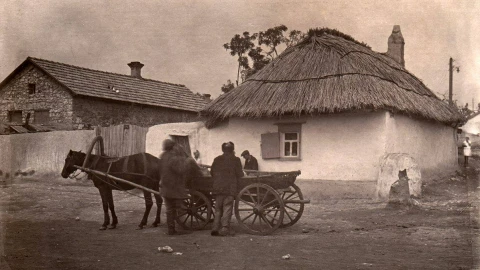
The modern city of Luhansk stands on three settlements. One of them is Stone fording on the bank of the right tributary of the Siverskyi Donets - the Luhan River. Residents of Luhansk have called it "Kambrod" for more than a hundred years. Currently, this is one of the districts of the city, which undeservedly written off from historical accounts, because at one time the Soviet authorities decided to rewrite the history of Luhansk, fruitfully putting PSYOPS in the heads of several generations.
TRYBUN publication found out the historical value of Kambrod and ancestors of Luhansk.
Value and historical significance
Cossack winter quarters were part of the composition Kalmius Palanka of Zaporizhzhia Sich. At that time, the power of hetman Kirill Razumovsky extended to these territories.
"In 1755, about 100 families of Orthodox foreigners who became Russian citizens joined them for permanent residence. In 1782, according to the census, there were 171 yards, 280 men and 283 women," official sources note.
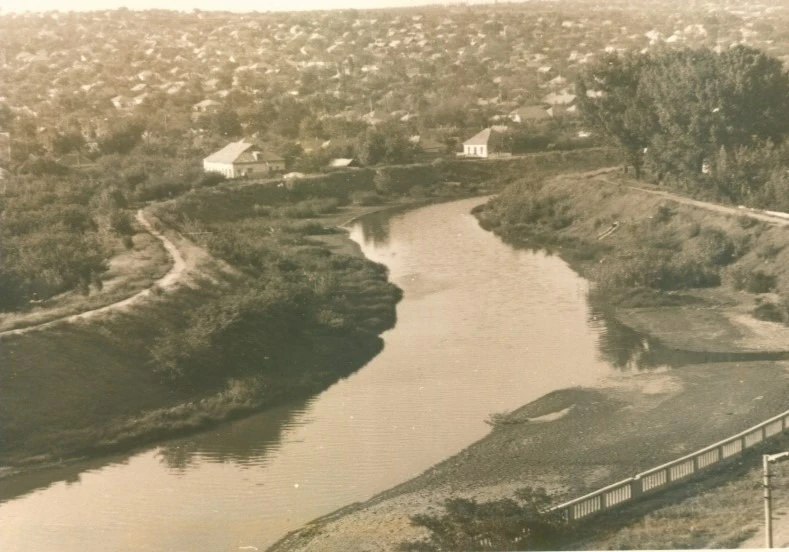
Limestone was the most important building material of that time. The slopes of the Luhanka River are made of it.Until now, on the upper outskirts of Kambrod, you can see the buried entrances to quarries from which stone was mined for the needs of the village.
In 1882, when Luhansk was given the status of a city, Kambrod became part of it and further developed as one of the districts.
At the end of the 19th century, Luhansk grew into a large industrial center - 40 craft enterprises, 16 plants and factories, so Kambrod was also filled with people.
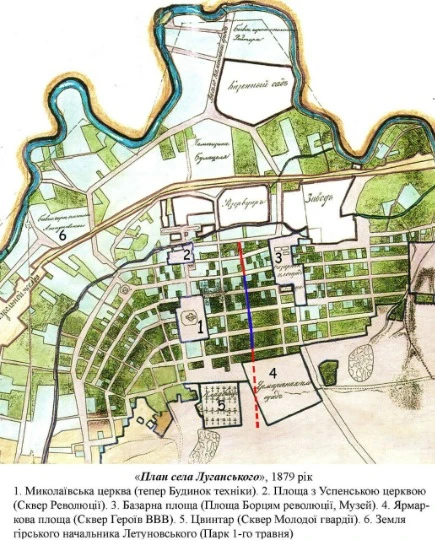
"Cossacks had to come to terms with the fact that their traditional way of life was breaking down, no one heard them.Their lands were taken for factories, and nobody was interested in their grievances. Kambrod was built rather chaotically.Women lived quietly, because they had work at the patronage factory, and men lived seasonally.When Hartman's Luhansk Steam Locomotive Plant was opened in 1896, a typical workers' settlement was already formed, men lived here permanently," historian Oleksandr Naboka says.
He also says that it was the diversity of the first settlers of present-day Kambrod that formed the unique community we know today.
"Actually, the first few generations were peasants who came from different regions of Ukraine and formed a certain identity, starting industrialization by working on factories that were built around," the local historian notes.
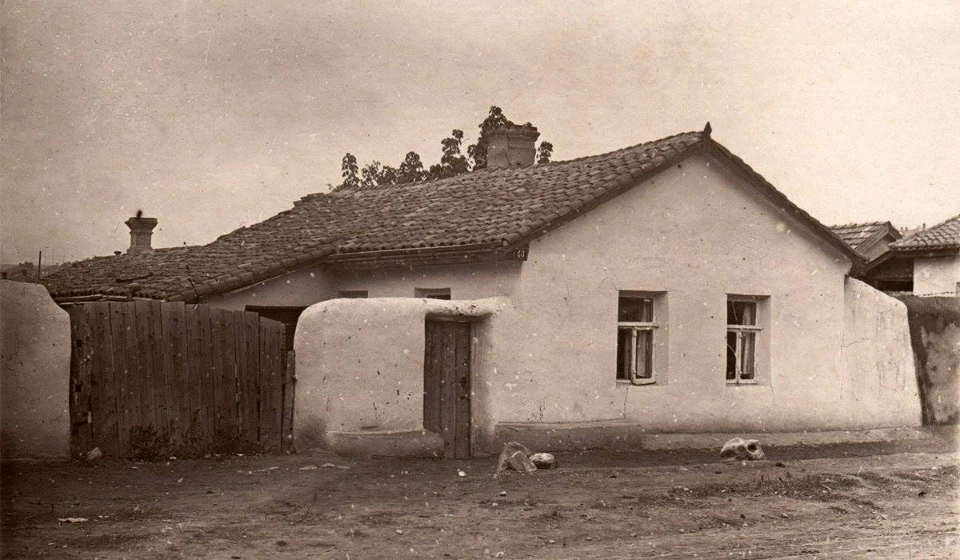
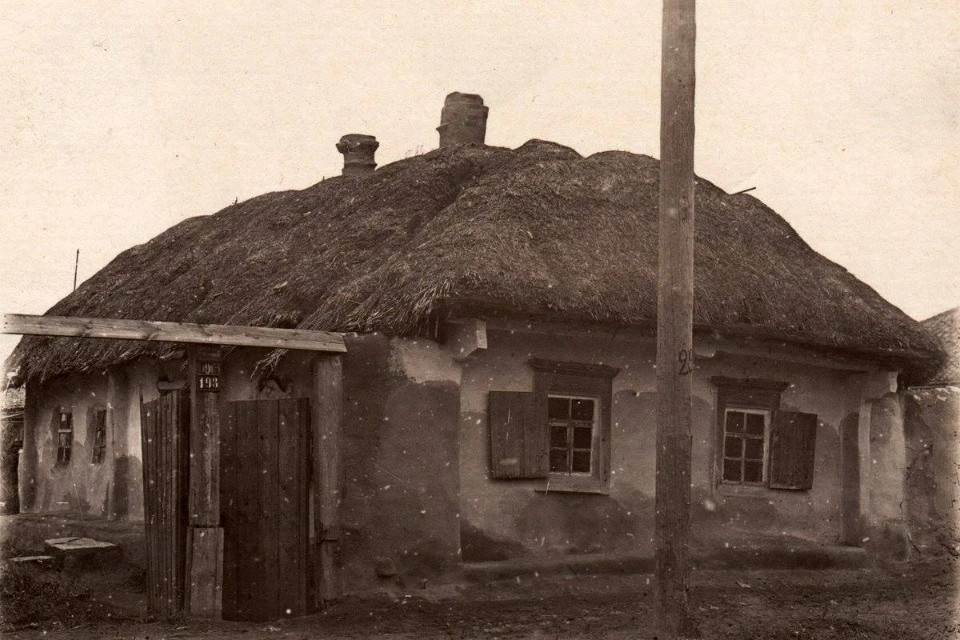
He also adds that it is possible that multiculturalism has caused the Ukrainian language to be relegated to a different side.
"Russian became a kind of universal language, because people from different parts of the former Soviet Union went to work at the factories.They had to find a language, create a working terminology that everyone could understand. I think that's why it's outside Kambrod, a little further, in the same Oleksandrivka, where there were no seekers of a better life, the rural way of life, traditions and language were still preserved," Naboka notes.
Factory romance of Kambrod
"Apparently, in the early 2000s, the fabled Kambrodian identity began to erode," Naboca notes.
He compares the birth of the Kambrod as we know it to Martin Scorsese's Gangs of New York film.
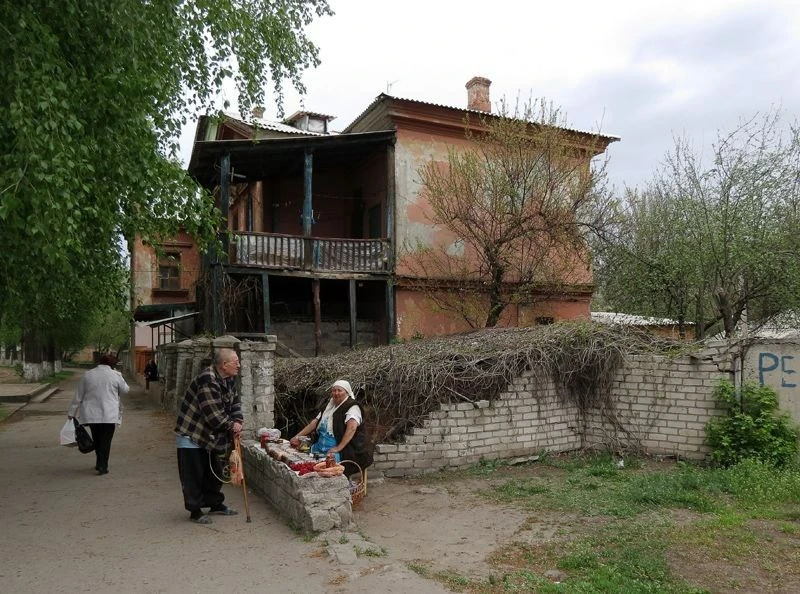
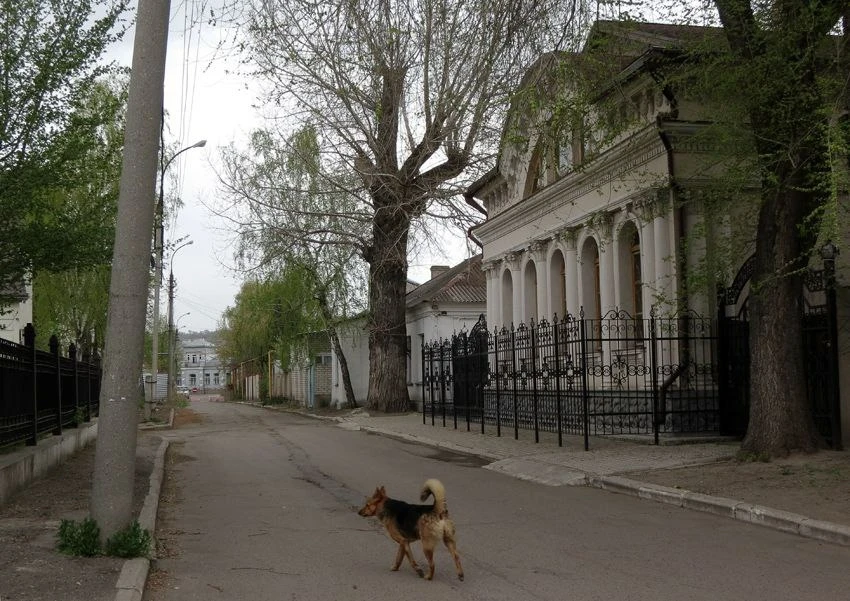
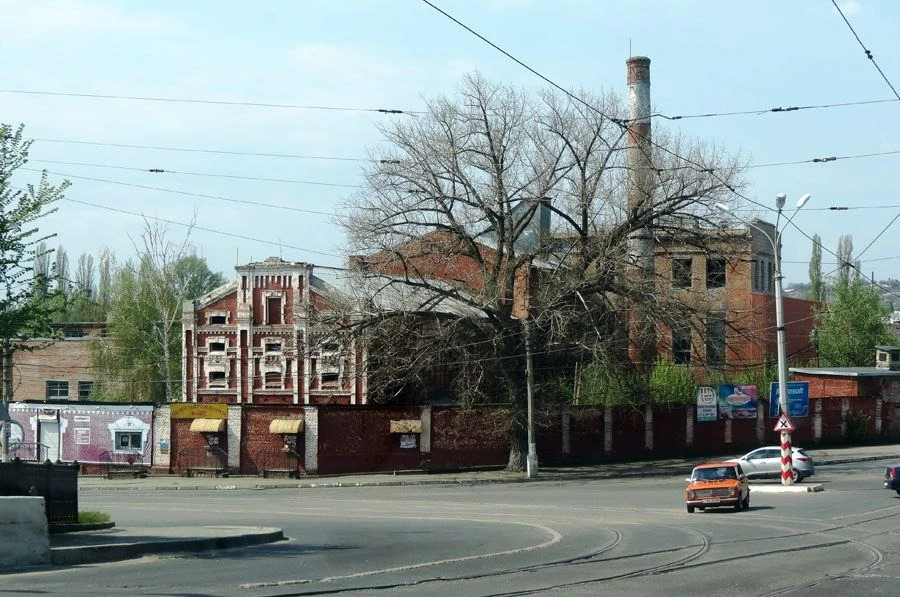
"Of course, in the film, the director sharpened the corners and streets of New York not like the streets of Kambrod, but in my opinion, it was similar somewhere.The working class was encouraged in Soviet times.The workers of plants and factories felt needed, had a stable job almost for the rest of their lives.They conditionally looked down on the bourgeois who lived closer to the hotel "Ukraine". We can probably say that the heyday of the working class of Kambrod came in the 1980s," the historian
says.
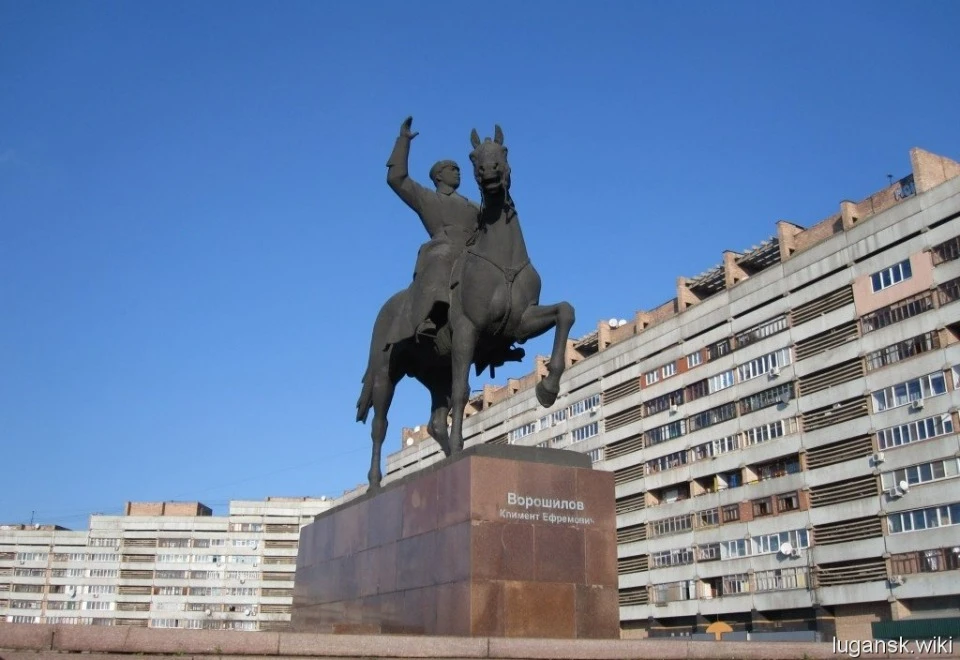
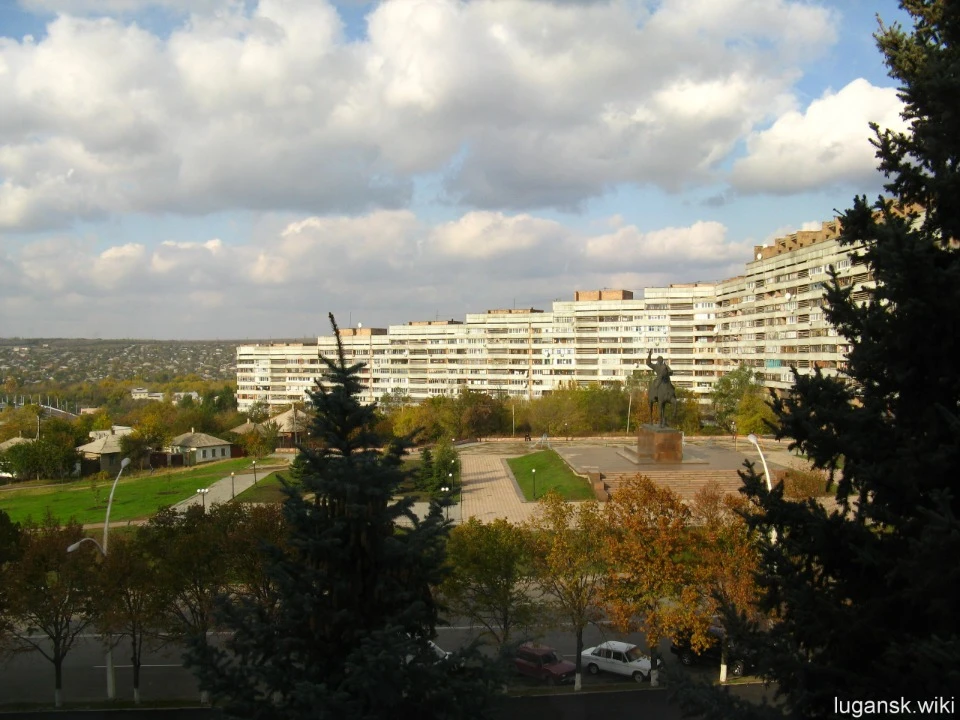
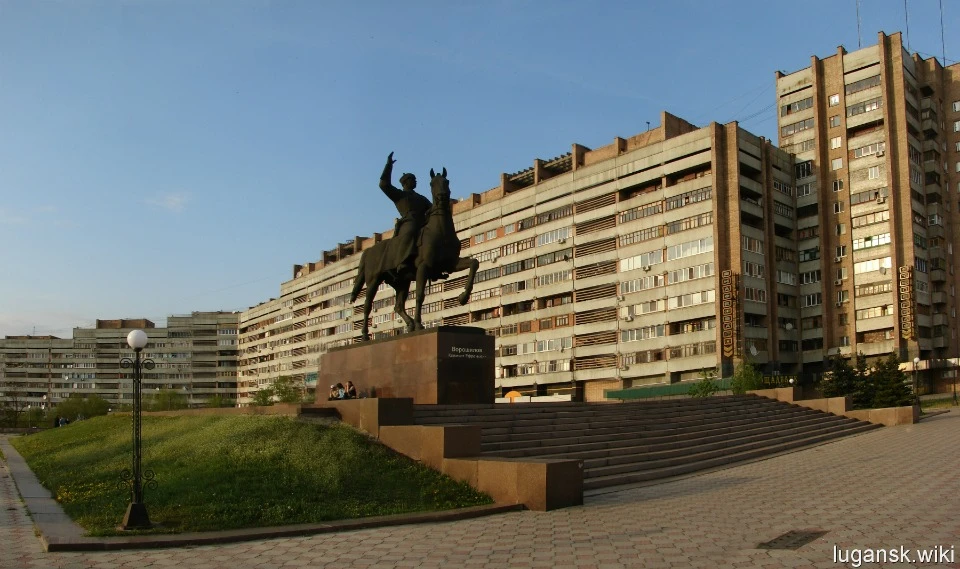
At one time, among the inhabitants of Kambrod, there was a fable about the fact that at that time the hero of the people - Kliment Voroshilov - was returned belligerently to the center of Luhansk, as if covering the old city.
"Kambrod proudly said that here, in Kambrod, the boys are reliable, you don't need to watch them, so you can calmly turn your back, but you have to keep an eye on the officials in the regional committee, that's why Voroshilov was returned there," Mr. Oleksandr continues.
This "the boy said - the boy did", according to the historian, it is such a characteristic feature for the residents of Kambrod.
"It seems that from the very beginning there was a certain regional characteristic of creating gangs from youth.All these "district by district" were very popular until about the 2000s, and then little by little they came to nothing. Two dozen years have already passed, and many residents of Luhansk still have the stereotype that Kambrod is dangerous."
The expert says that Kambrod always exhibited the biggest wives from the youth during some fights.
"The representatives of this district of Luhansk had a very bright proletarian identity. Even with the fact that Kambrod is mostly a private sector, people could keep chickens, rabbits, grow grapes, their life was more progressive and modern.The residents of Kambrod of the past century despised the peasants, imposed on the village an idea of its secondary nature, because they were the working class, bearers of the Soviet system".
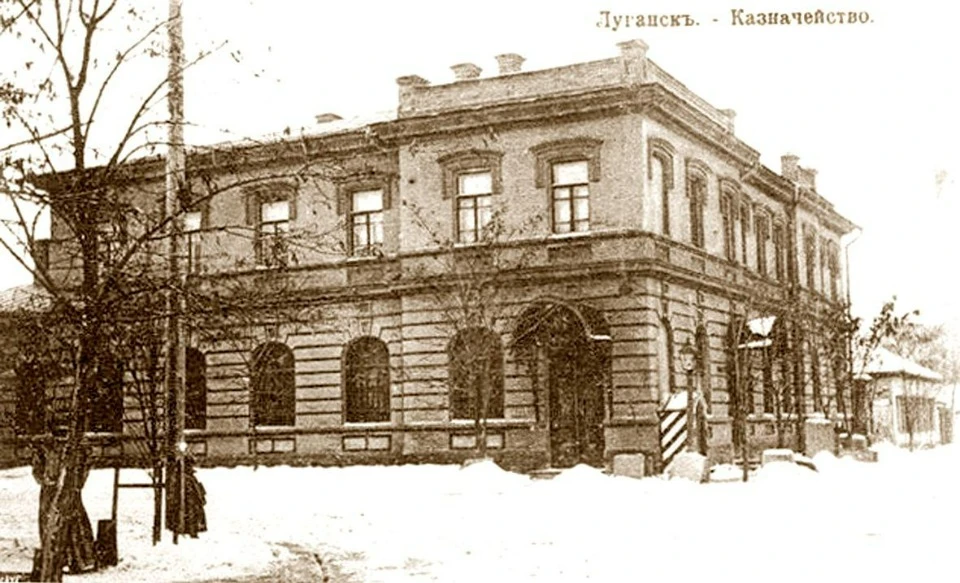
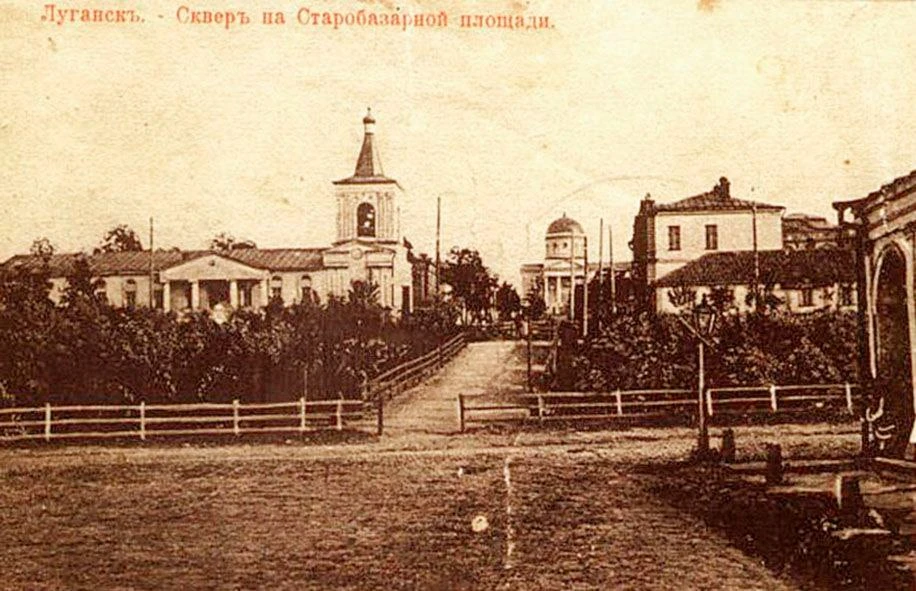
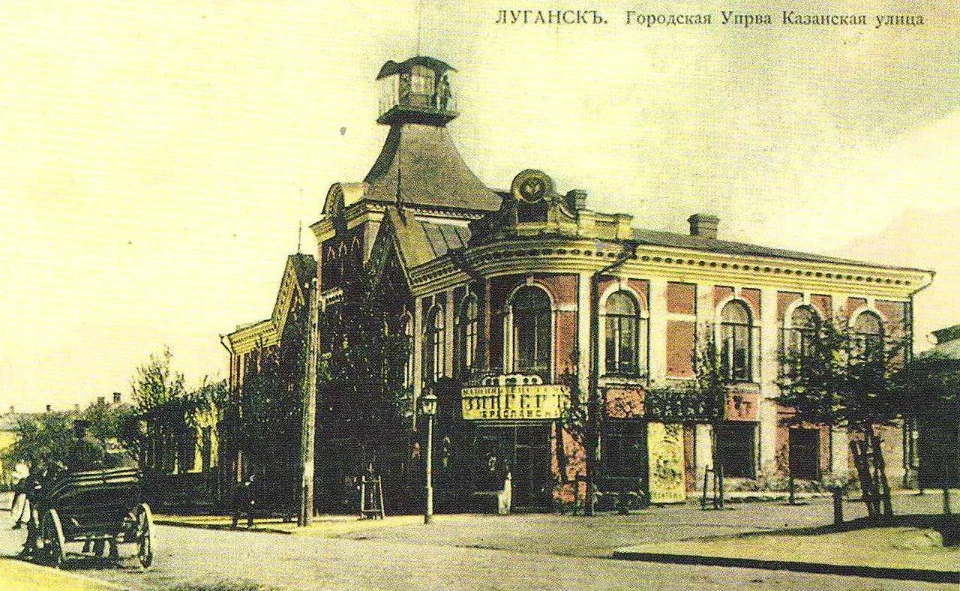
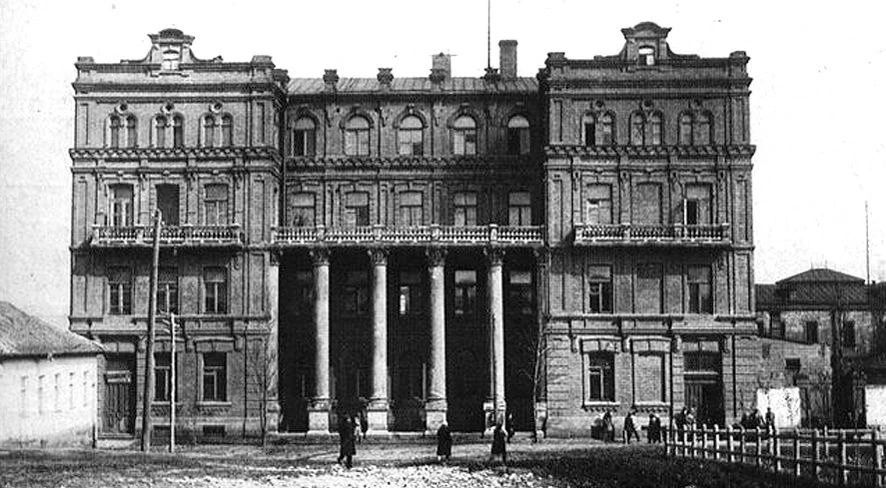
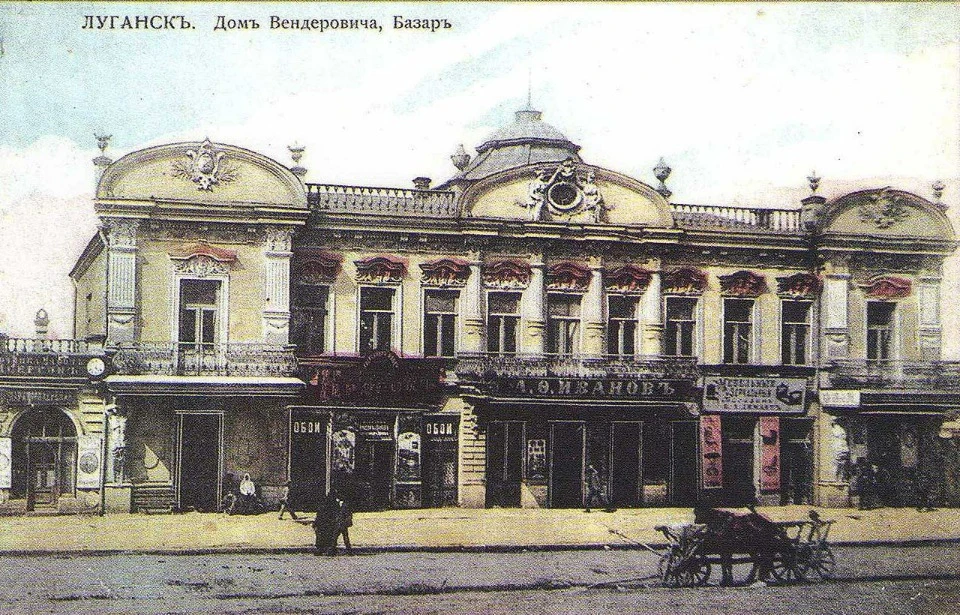
Local historians and historians emphasize that where the working class is, there it is alcohol. And Kambrod was no exception.
"Unfortunately, alcohol is a part of history that was especially relevant for Kambrod in the period of the collapse of the Soviet Union.There is even an old legend related to the Donetsk mines. It tells about the fact that when miners in Yuzivka received their salaries, their wives were nearby. John Yuz contributed to the fact that women always knew when it was the day of the "pick-up", because they could not bring the money, but take everything to the nearest inn," Oleksandr Naboka says.Similar cases were also confirmed in Kambrod — often women knew when their husbands at the factories received payments and waited for them at the gates of their houses, so that they would not go to drink their earnings.
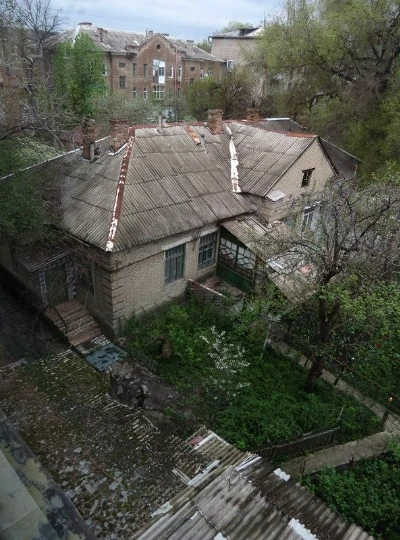
In more modern times, after the generation of those who fought “wall to wall” had changed, Kambrod has become a quite comfortable area for living, filled with aromas of lilacs and apricots in the spring. And also - Kambrod has aged.
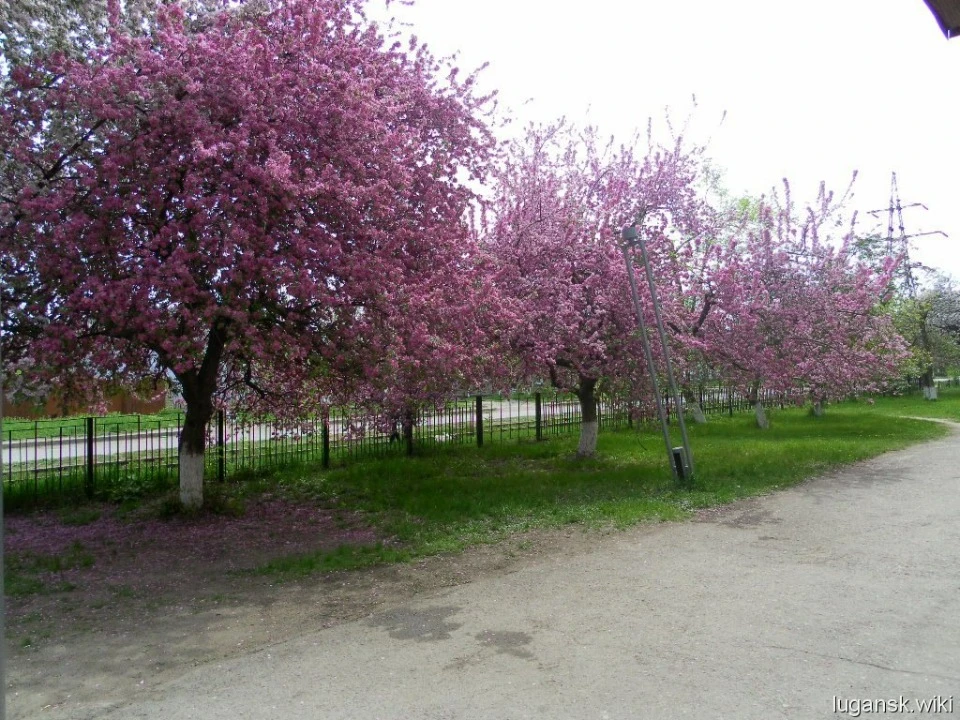
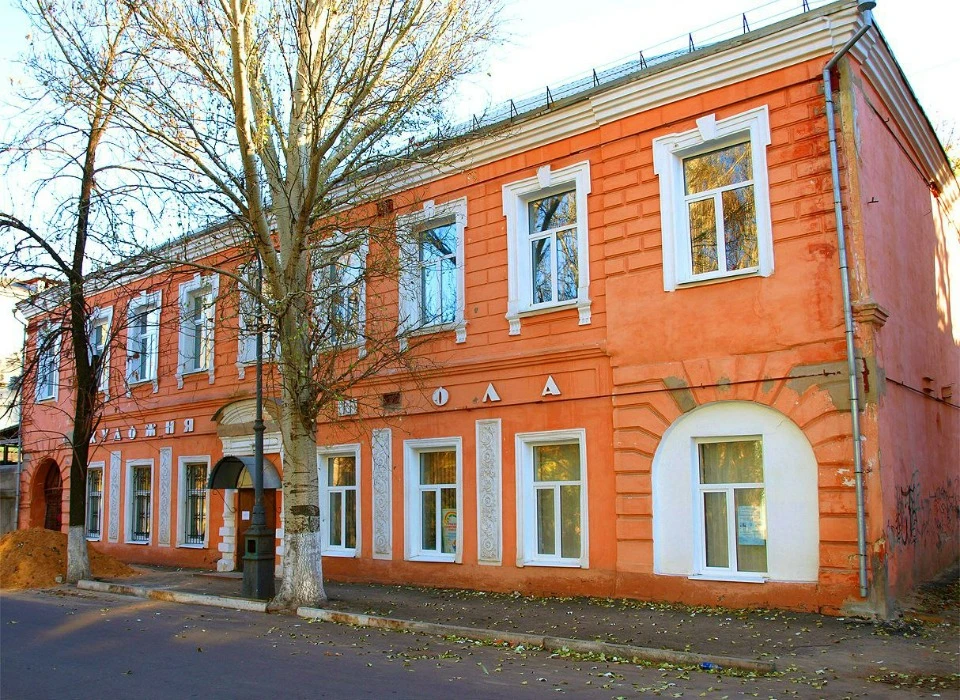
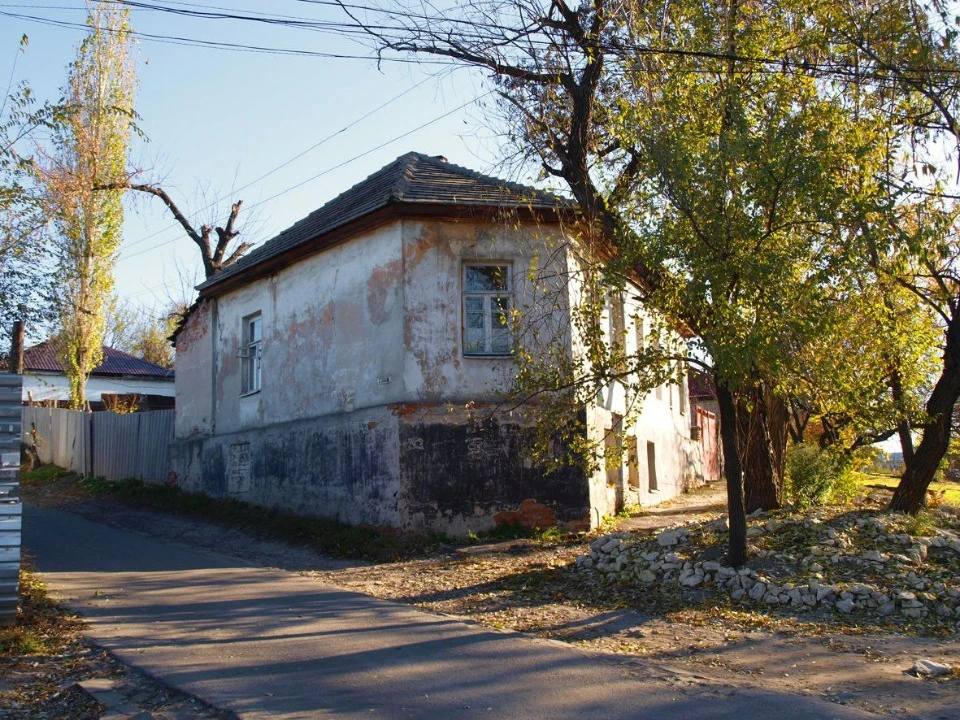
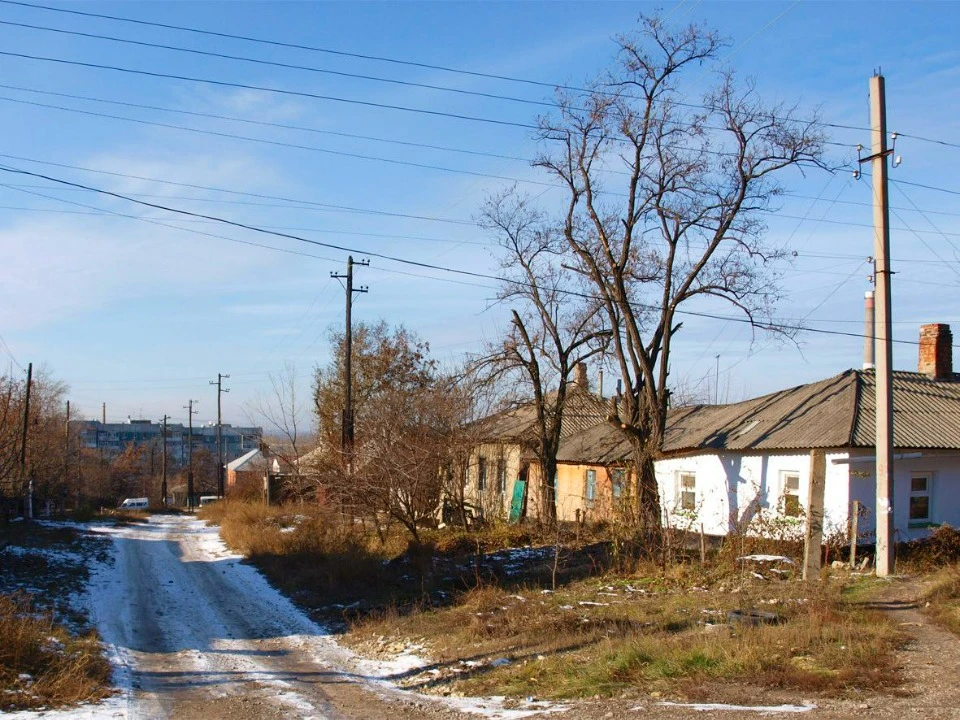
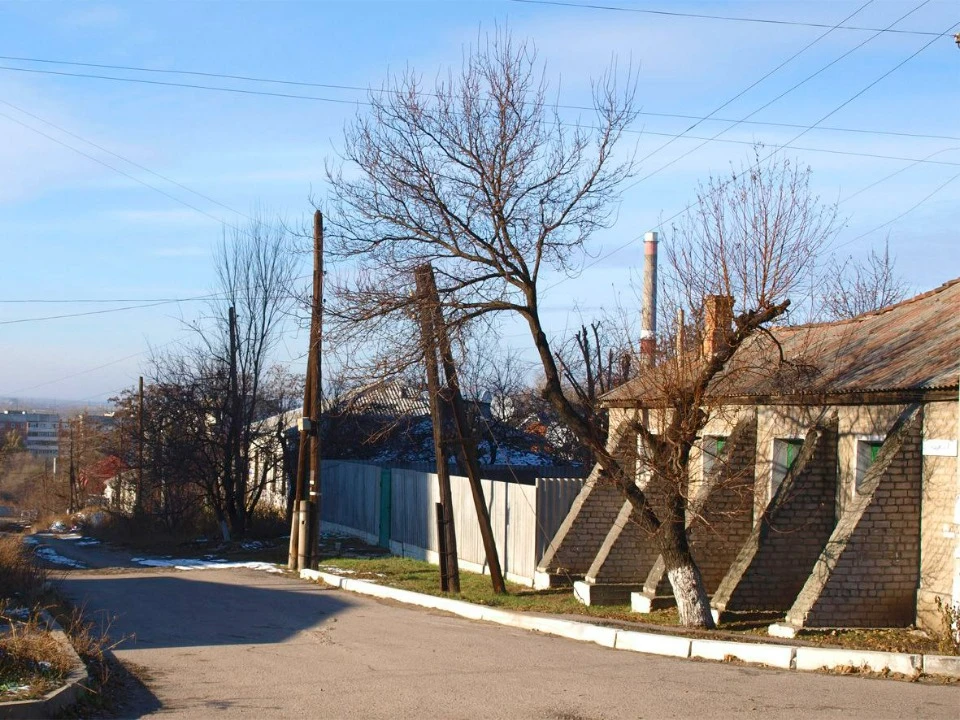
History carved by the Soviets
All local people know that Luhansk was allegedly founded by Catherine II, although this is not true either.It was not customary to talk about the fact that local residents were oppressed in Kambrod.
“The history of my family is closely connected with Kambrod.My great-great-grandmother was ostracized several times, and her neighbors on the street denounced her for doing a lot of work and providing work for a large family of 11 children, most of them their own families.She had an inn, a carriage yard, a sewing shop, an embroidery shop, a bathhouse and, if you could call it that, she was a patron because every Thursday she organized a clean day for the needy.She lost everything twice," journalist Maryna Tereshchenko from Luhansk says.
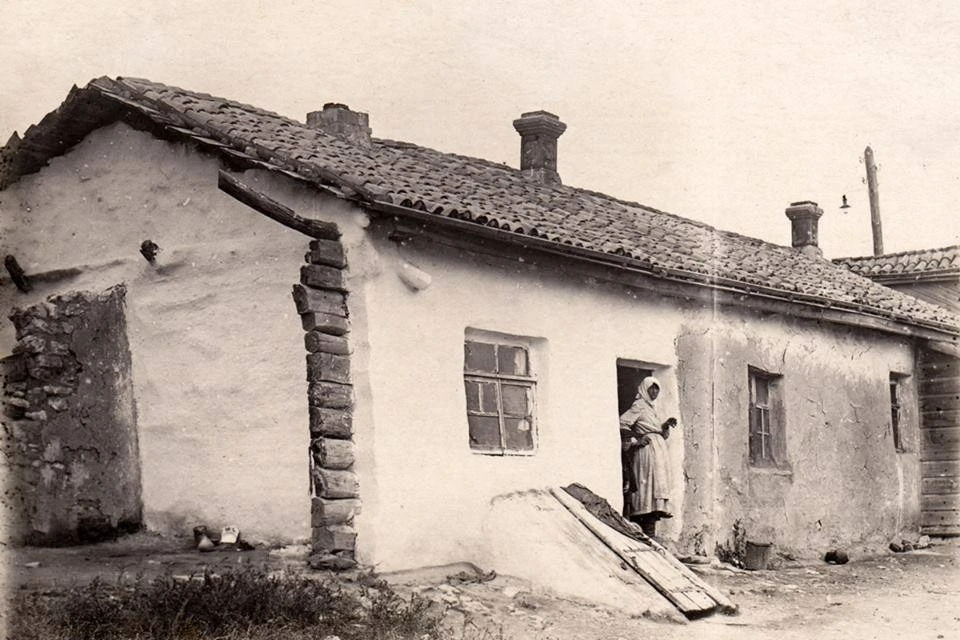
She also notes that in Kambrod you can often find houses with two entrances, for two families, separated by fences.
"Once in the local history museum during a school lecture, I asked about it, gave an example of my great-grandmother's house.
It was explained to me that after the revolution and downsizing, famine, people who came in search of work and a good life in Luhansk, settled in houses.I remember how impressed I was by this explanation. Unfortunately, the great-grandmother was no longer alive at that time, there is no one to tell the truth," — the journalist says.
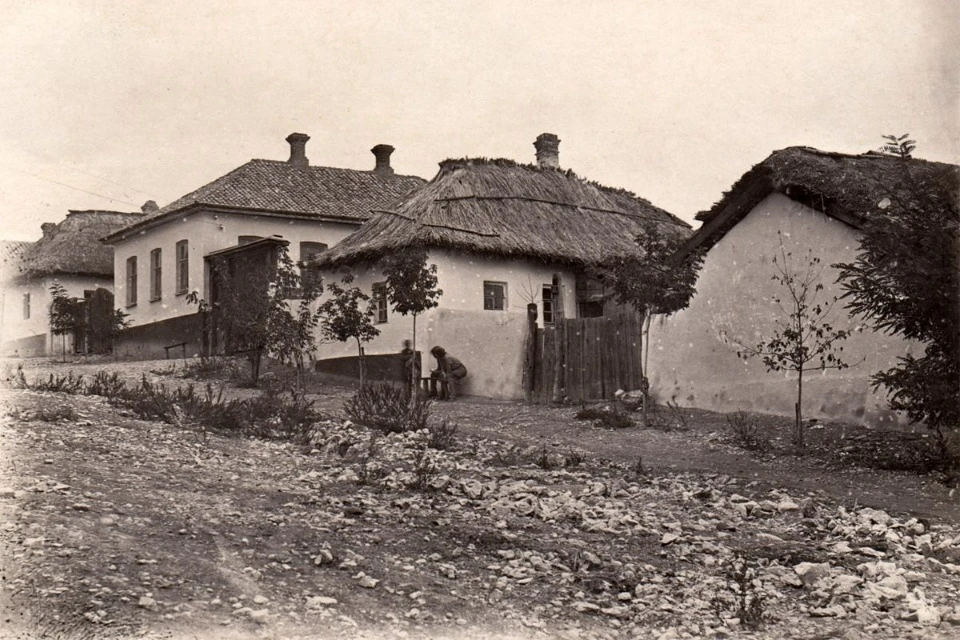
Another version, which is called by local historians, is savings on housing.
"First of all, the socialization of the houses of the rich, according to the authorities, took place.They did not always divide in half, it happened that houses were divided into three or four apartments with partitions.In the mining towns, it was customary to build houses in stilts, hence the houses for several owners," historian Oleksandr Naboka adds.
In 2023, Kambrod was 270 years old since its settlement.Its role in the fundamental establishment of Luhansk as a city was nullified for many years, its residents were perceived exclusively in a criminal context, and Ukrainian roots were erased because it does not correspond to Russian propaganda.