

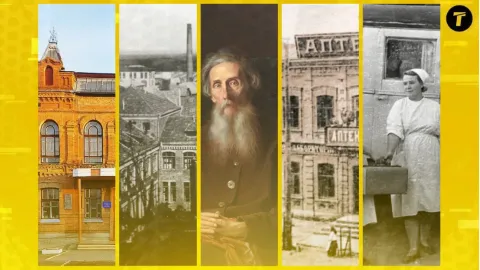
It is often claimed that there was no cultural life or educated population in Luhansk oblast, as well as in Donbas. However, this assertion is primarily propagated by those who adhere to Russian narratives. In reality, the residents of our region have been striving for development since the construction of the first factories.
TRIBUN publication attempted to delve into the topic.
Education
There is no exact date or prominent figure who initiated the education sector in Luhansk region. Its systematic development is associated with the implementation of zemstvo and educational reforms by the tsarist government in the 1860s. It was then that local self-government bodies were given the opportunity to open primary schools in villages, leading to the emergence of the first "zemstvo" schools.
"I saw one of such schools, in particular, in my native village of Timonovo in the north of Luhansk oblast. It was a clay building with two large classrooms and an auxiliary room. At the end of the 19th to the beginning of the 20th century, the administrations of future Luhansk oblast cities decided to establish secondary or vocational education institutions. In particular, in the early 20th century, the Catherine (although local historians claim it was the Nicholas) Women's Gymnasium and a crafts school were established in Starobilsk. Municipal and private gymnasiums also operated in Luhansk. In 1917, for example, the private women's gymnasium of K. Loktiusheva was functioning. Education in secondary education institutions was paid for," - notes Oleksandr Naboka.
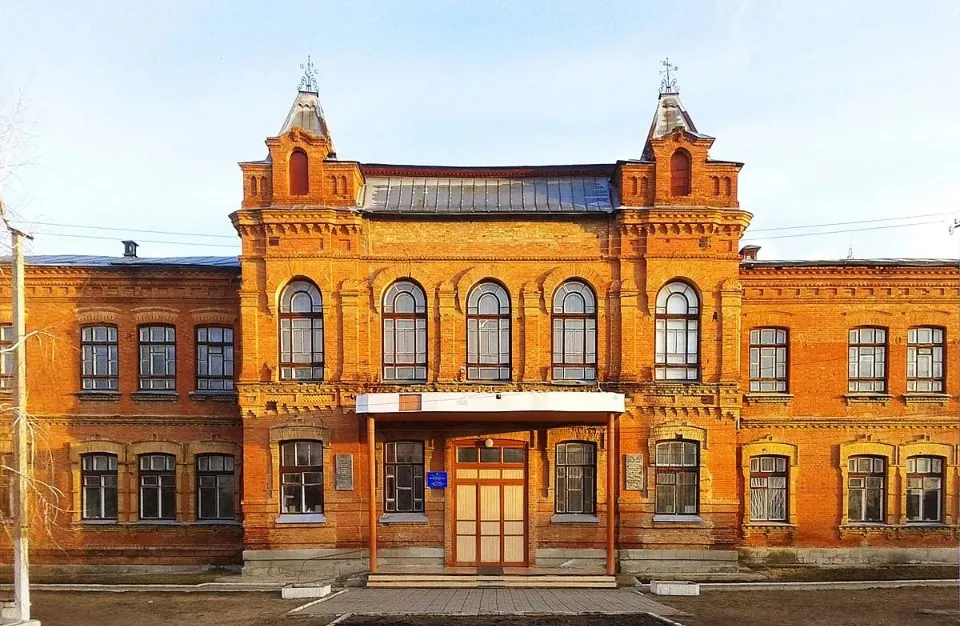
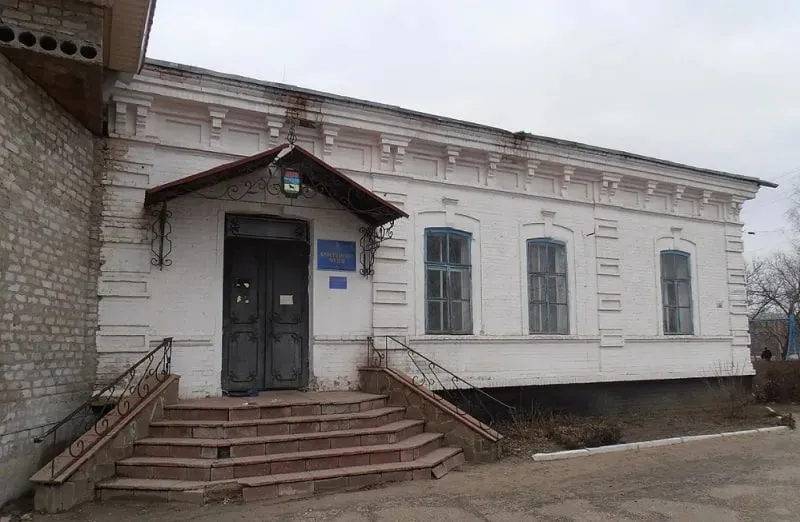
The initial mountain school is considered one of the first educational institutions in Luhansk oblast. It was opened in 1823 on the basis of the Luhansk foundry plant and was created to train workers and junior specialists for work at the plant. A lot of effort towards this was contributed by the plant manager Hess de Kalve.
The first classes started on February 5, 1823. 40 men enrolled in the first class, and 14 in the second. Later, a similar school was opened at the Lysychansk mine. However, the number of educational institutions in Luhansk district remained insufficient.
So, 16 years after the mountain school started operating in April 1839, the Chief of Staff of the Corps of Mining Engineers, Major General Chevkin, signed the "Regulations on Educational Institutions of Luhansk Mining District." It mentioned the creation of additional primary and secondary mining educational institutions in the district.
Soon, several schools opened: at Luhansk plant - an educational institution for 200 students, in Kamianyi Brod - for 100, in Lysychansk and in Third Rota - for 120 students each. They admitted children aged 8 to 13, each of whom received one pood of provisions and 50 kopecks of allowance per month.
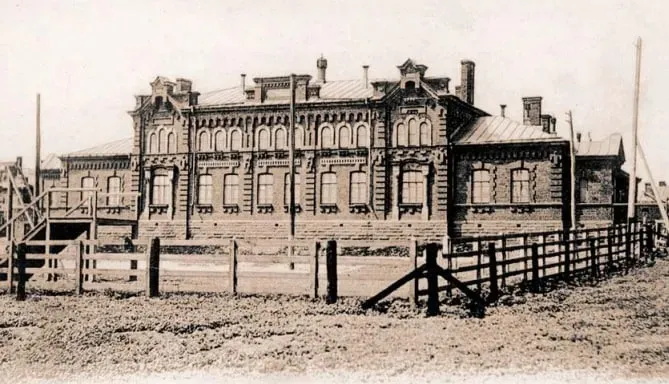
The initial zemstvo schools provided basic knowledge, teaching children arithmetic and reading. Craft schools provided specialized knowledge and skills in technical professions. Gymnasiums offered classical humanities education.
"As for higher education institutions, the oldest are considered to be the Donetsk Higher Pedagogical Provincial Courses, which were established on March 1, 1921. There was already a state order, so graduates were distributed to the regions of Ukraine and the Soviet Union where there was a need for teachers," says Olexander.
Also, in 1920 Luhansk People's Polytechnic Institute was established - a prototype of the East Ukrainian National University named after Volodymyr Dahl, which specialized in training engineers in mechanical engineering. Over time, the institute became the basis for providing personnel for the Zhovtneva Revolyutsiya plant. Also, in October 1921, an agricultural institute was established, which trained agronomists and other specialists for the agricultural sector.
The existence of these educational institutions was entirely dependent on the state; students were attracted at the expense of the state order. It was the state that distributed graduates of higher educational institutions and professional schools according to priorities. In the second half of the 1940s, the higher education system worked to provide specialists for the “sovietization” of the newly annexed regions of western Ukraine.
"In particular, the vast majority of graduates of the Starobilsk Teachers' Institute were sent to the western Ukrainian regions. The agricultural institute also worked on “sovietization”. For example, my grandmother - Dudak Nina Fedorivna, having studied as an agronomist, was distributed to Stanislavsk Region," says the historian.
It is believed that the lands of the Luhansk region have always been dominated by factories, and people lacked cultural development, but this is not the case. Along with the construction of enterprises, workers and engineers became creators of cultural values. For example, employees of the Luhansk Foundry Plant participated in the production of monuments across the country. Several products were installed in Poltava to commemorate the victory over the Swedes or in the Belarusian city of Polotsk in memory of the defeat of the Russian troops by Napoleon's army.
At that time, the centers of culture in the Luhansk region were libraries, clubs, and museums.
Based on the Luhansk Foundry Plant, a library and museum were opened, which became the first cultural and educational institutions in Donbas. Later, public accessible libraries appeared. For example, the Luhansk Regional Scientific Library, which was founded in 1897 as a free public library-reading room. Later, these premises expanded and reading rooms with halls for theatrical performances were organized where both visiting and local actors performed.
In 1893, the merchant Blinov founded his own theater, followed by the opening of a mining-commercial club, on the stage of which famous operas such as "The Merry Widow," "The Count of Luxembourg," and others were performed. World-famous actors toured in Luhansk. Chekhov called Luhansk region "Don Swiss".
The land of Luhansk is rich in famous people. One of them is the ethnographer, linguist, and writer Volodymyr Dal. He was born in Luhansk in a family of a doctor. His father also worked in Luhansk region and made a significant contribution to the development of medicine in the region. Volodymyr loved lively fairs and festivals, where he collected and memorized Ukrainian words for his "Explanatory Dictionary of the Living Great Russian Language." Up to now his works have not lost their significance. In honor of the writer, a museum was named in Luhansk, as well as one of the largest local universities - East Ukrainian - bears the name of Volodymyr Dal.
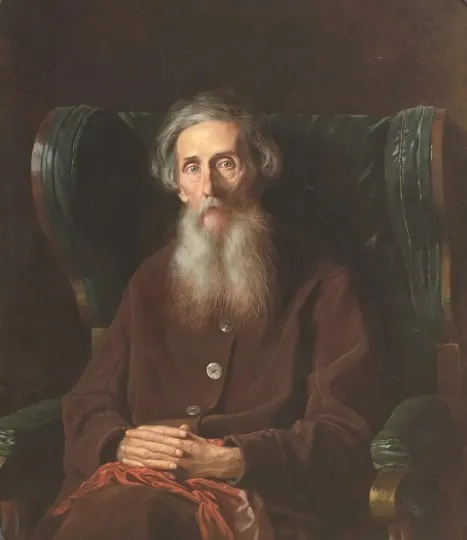
Many cultural figures were born or spent a long period in Luhansk region and contributed their efforts to the development of the region. Lexicographer Borys Hrinchenko worked in one of the schools of the Katerynoslav Governorate and wrote the "Dictionary of the Ukrainian Language," the material for which he collected in Luhansk region. Also, the childhood years of Mykola Cherniavskyi, who was the first mining poet, passed here. In the poem "In Donetsk Region," he wrote:
“And steppe and mountains burnt,
By thunderous rain they were washed.
Yet they remain just as unforgiving,
With nothing new to brighten them.
Whistles roar. Pillars of smoke
Drift with the wind across the steppe.
And there, under the steppe, in a mine,
A miner with weary hands
Strikes the stone, extracting coal,
Burying his age in the earth…”
Medicine
The beginning and development of medicine in Luhansk region started with the construction of Luhansk Foundry Plant. The first builders arrived in 1796, accompanied by the chief physician Ivan Ratch. He was the first medical worker in Luhansk region. His experience as a doctor on Russian military naval ships allowed him to immediately become the senior plant physician in Luhansk.
The population of Luhansk settlement and the miners in Lisyachya Balka were growing. Among the workers, there were many injuries and various illnesses that required medical assistance. Ratch was sent there, but as a junior doctor, because a doctor with university education, Johann Christian Dahl, was sent to work there, taking a higher position.
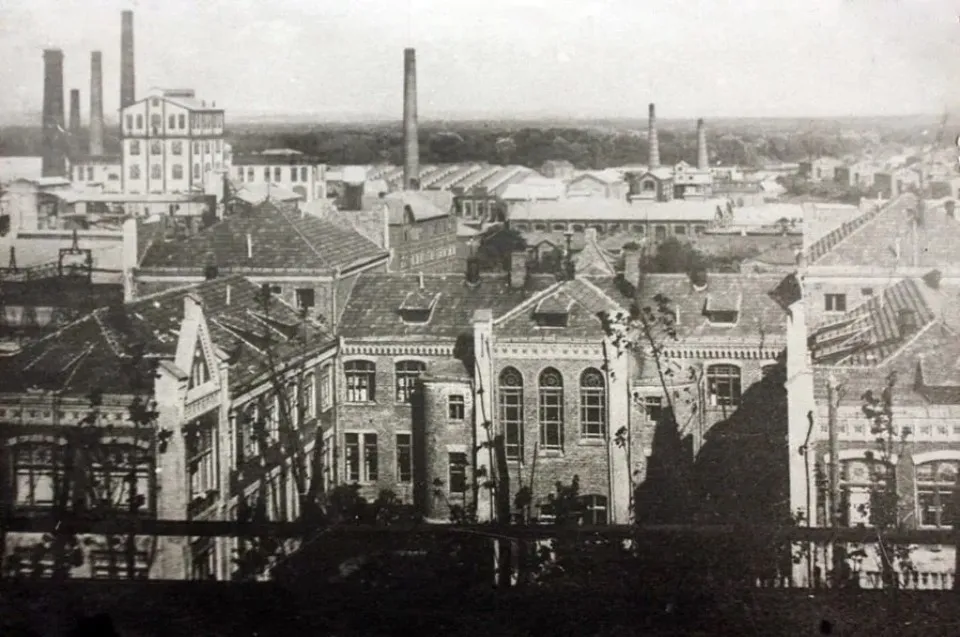
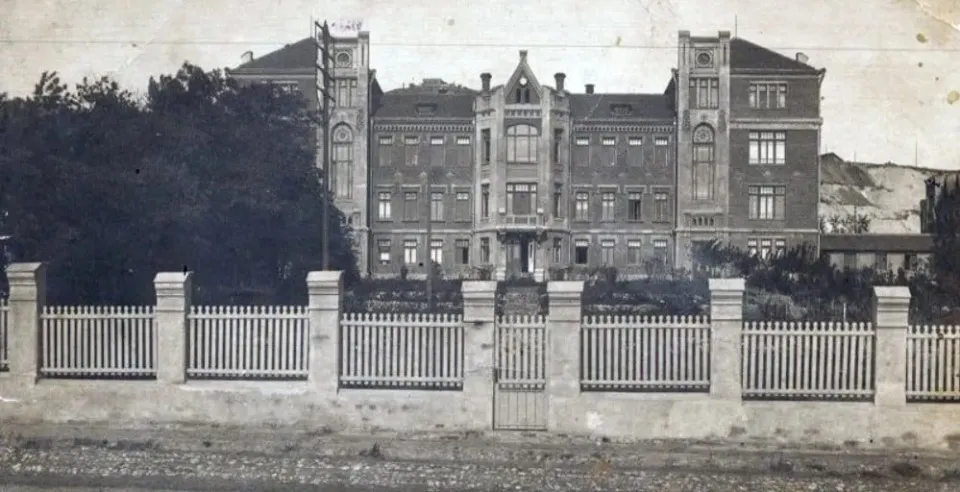
The development of the medical sphere in our region faced serious obstacles. Thousands of people fell ill with malaria and typhoid fever in a short period. Many died, including Dr. Ratch.
Mine manager Adam Smith wrote to the plant management in August, 1800: "At least a quarter of all members of the team over the past three weeks have been suffering from severe fever and malaria. Fortunately, they are still alive, although we have no doctor because Dr. Ratch has passed away."
Instead of Dr.Ratch, the mine sent Chief Physician Kaminskyi, who reported to Johann Christian about the condition of his patients, the miners. And to facilitate medical service, he proposed to build a hospital and a pharmacy.
Upon arriving in Lysyachya Balka, Dr. Dahl saw the difficult situation of the workers and ordinary residents. People in the settlement lived in unsanitary conditions. Six families lived in barracks, and it was dark and damp in the dugouts. Therefore, Johann in his report to Haskoyne requested the resettlement of people into apartments.
Later, rural medicine began to operate in the county councils. Four hospitals with 49 beds, five medical districts, and eight paramedic points were opened. But this was not enough for the population. Many people did not receive the necessary medical assistance, so they often fell ill, resulting in a high mortality rate. At that time, there was a shortage of pharmacies. There was only one in Lysychansk.
Reading the journal of the Sloviano-Serbskyi County Zemstvo Assembly as of 1897, it can be learned that the zemstvo often met to discuss problems and improve the level of medicine. In 1897, the authorities intended to build a hospital in the village of Pervozvanivka, but it was actually built in Uspenivka because this territory was developing as an industrial center. To improve conditions at the Luhansk county hospital, 6600 rubles were allocated.
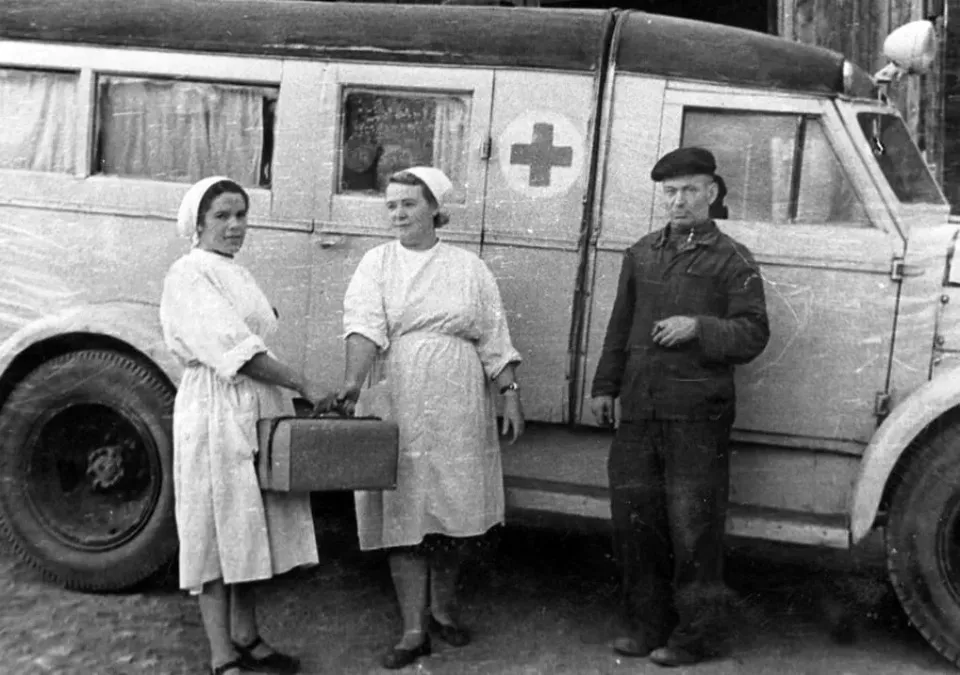
Soon hospitals began to be equipped at the Luhansk factories. For example, at Donetsk Soda Plant, a hospital building and a doctor's house were erected. By 1896, there was a hospital with 8 beds, staffed by one doctor and two paramedics.