

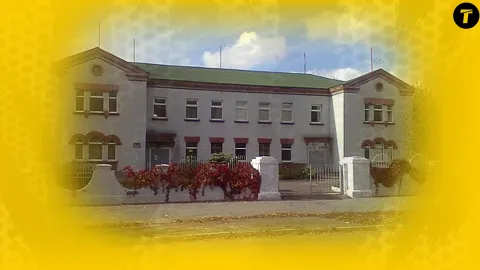
The City Museum in Rubizhne is an important integral part of the town, which for a long time was also the center of its cultural development. However, the beginning of the full-scale invasion, the fighting, and the occupation destroyed the building that had been preserving history for years.
An employee of the museum told “TRIBUN” about the foundation of the museum, its work before the full-scale invasion in 2022, and the consequences of the war.
The name of the employee is withheld at her request.
In Rubizhne, the museum building was located at 21 Peremozhtsiv Avenue, which was built in 1952-1953 in the old city center, near the city's Park of Culture and Recreation.
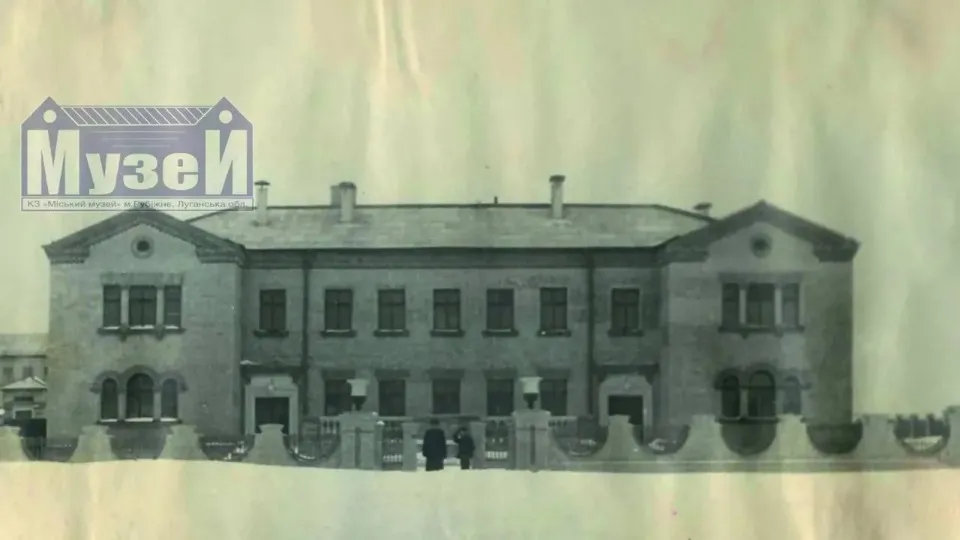
In the postwar 50s, the city began to be built up, and in 1953 the building of the future museum hosted a nursery No. 1. In those years, the issue of childcare was an acute problem.
"Previously, there were different requirements as to when a woman had to return to work after maternity leave. Only 4 months were given for this. So mothers had thought about who to leave their children with," says the museum worker.
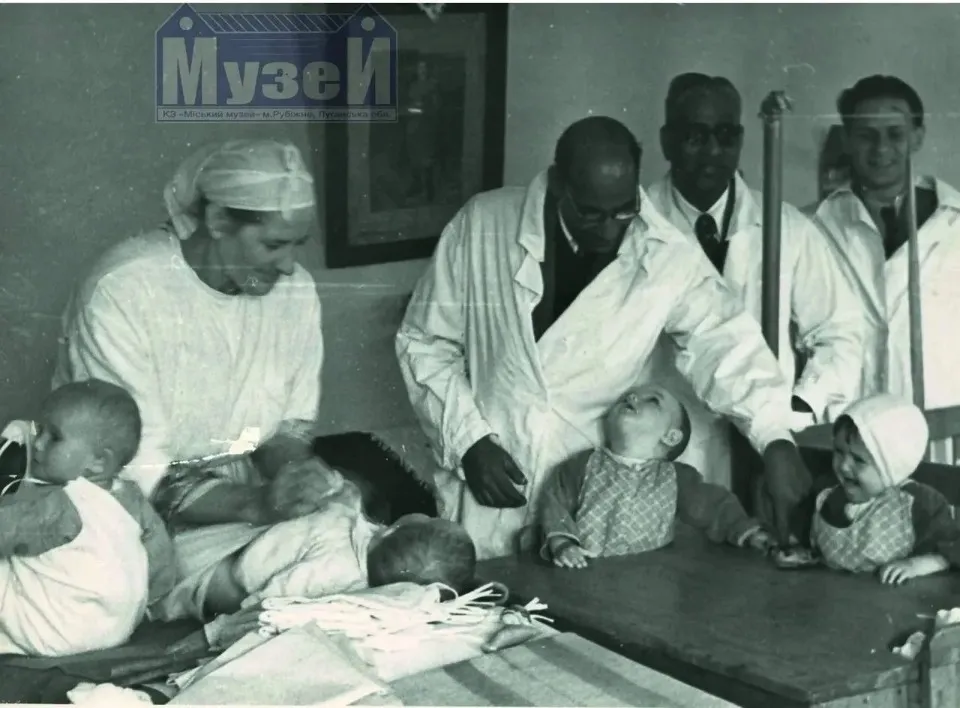
Then the building served as the location of the House of Pioneers, then as an after-school center, and later it was transferred to the museum.
"The building was completely unsuitable for the museum. So the question of reconstruction immediately arose. The complex work of design and development began," she adds.
First of all, the museum installed a high-quality heating system to maintain temperature and humidity conditions. After all, the state of preservation of exhibits in most cases depends on the condition of museum premises, including storage facilities and exhibition halls. A year after the opening of the museum, during the autumn and winter period, the museum carried out repair work to replace windows and install a functioning heating system.
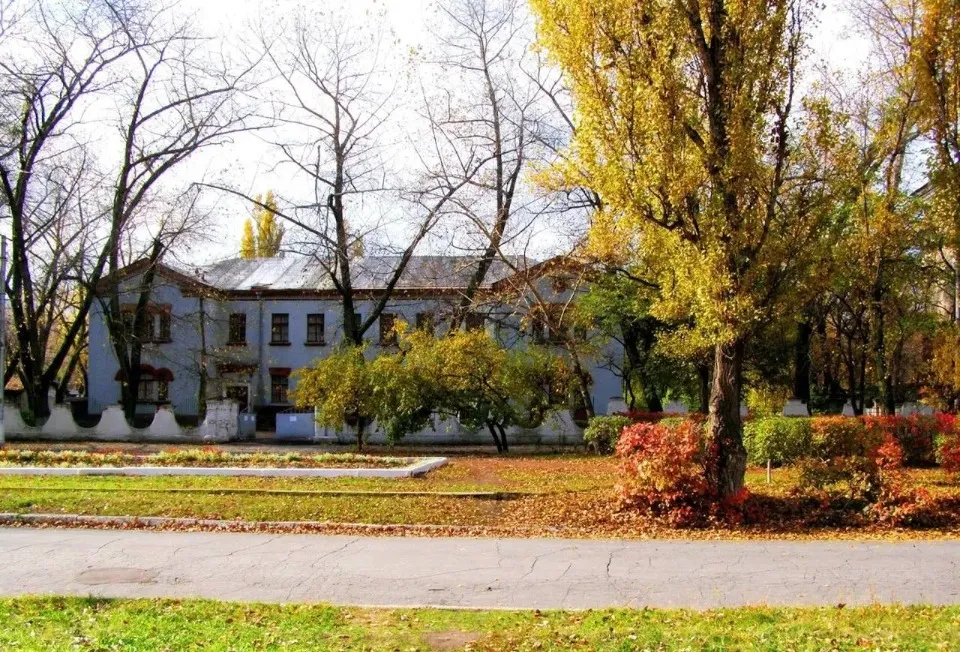
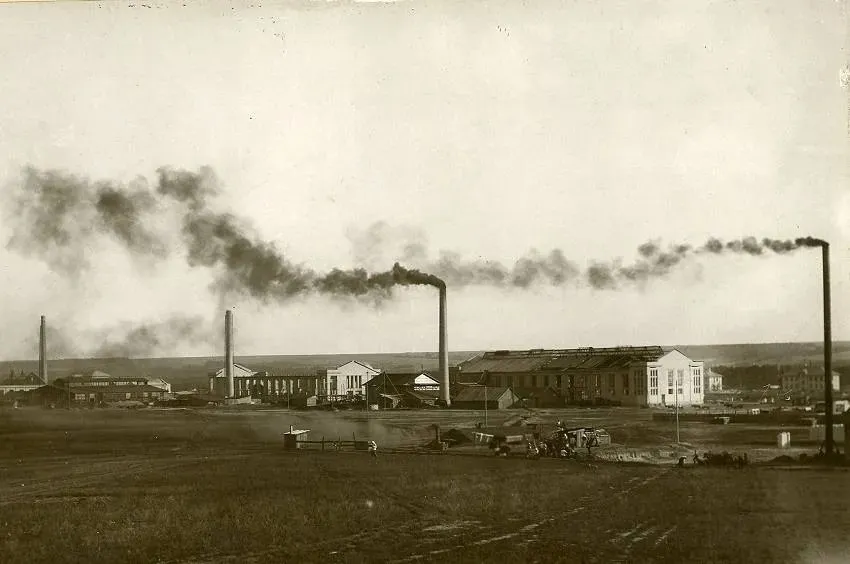
The basis of the newly created museum's collection was the history fund of the Rubizhne Production Association "Barvnyk", which was founded as a museum of the Rubizhne Chemical Plant by order No. 132 of May 5, 1960. It was a unique collection of items, documents, photographs and archival copies.
"When “Barvnyk” ceased to exist, the museum collection was abandoned. So volunteers moved part of it to the Palace of Culture in Rubizhne. And although it was kept locked there for a long time, it was often vandalized by people who broke the locks," says Rubizhne resident.
Every year, the museum developed and soon became an integral cultural center for the entire town.
"We often held exhibitions of applied art, exhibited paintings by local artists, and later we were joined by artists from other cities. We also held tea parties where like-minded people gathered. Almost every month we had different art events. And this, in my opinion, was a very strong point in our work," says the employee.
Also, as part of the city's Family Day celebration, the museum held an exhibition called "City of Masters," which brought together not only artisans from Rubizhne, but from all over the region.The woman adds that the museum attracted people who wanted to join the development of their city.
"Of course, the main category of people who visited the museum were schoolchildren. After all, we cooperated with many educational institutions.Our museum collections were also replenished. Even ordinary people brought some things. They kept them for generations and later gave them to the museum. We had a lot of rushnykys, each of which had its own story because it had been stored for many years. I also remember a wooden trough that was given to us before the full-scale invasion. We had a lot of dishes, jugs, chests, icons, folk instruments, and a unique loom. Every small thing has a big story. We had a small room painted with Ukrainian ornaments. It fully conveys Ukrainian daily life".
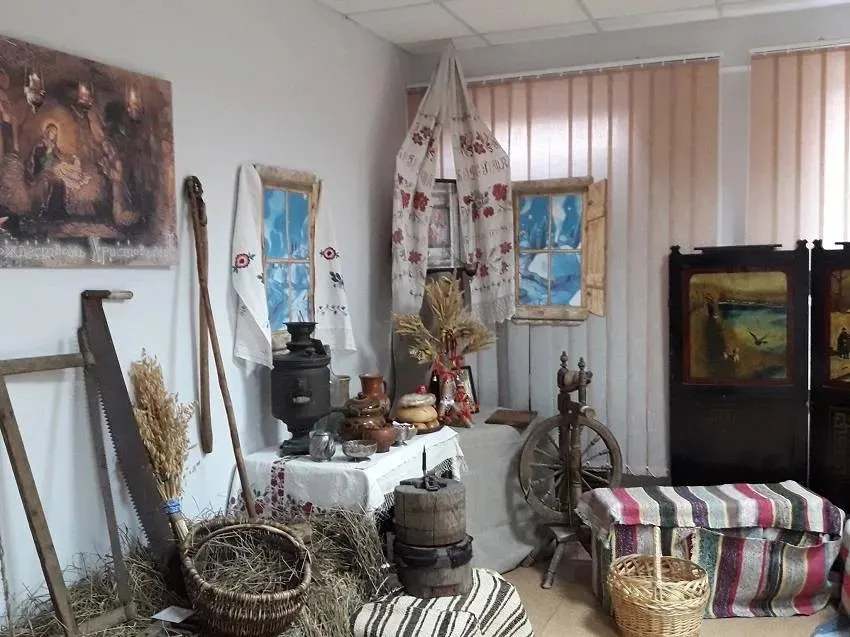
"Of course, the main category of people who visited the museum were schoolchildren. After all, we cooperated with many educational institutions.Our museum collections were also replenished. Even ordinary people brought some things. They kept them for generations and later gave them to the museum. We had a lot of rushnykys, each of which had its own story because it had been stored for many years. I also remember a wooden trough that was given to us before the full-scale invasion. We had a lot of dishes, jugs, chests, icons, folk instruments, and a unique loom. Every small thing has a big story. We had a small room painted with Ukrainian ornaments. It fully conveys Ukrainian daily life".
The archaeological exhibition began to develop in the museum in the years 2020-2021.
According to the woman, the museum suffered a bitter fate after the full-scale invasion.
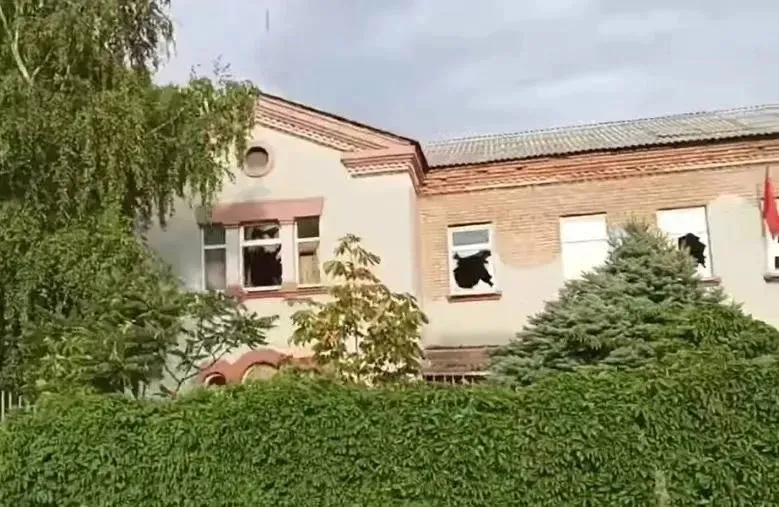
"When the fighting was more or less over in Rubizhne, the museum workers who remained in the city visited the building and told me that it looked like a black hole. It was smashed and looted. The windows were smashed, the doors were taken off, the museum collections were taken away... The workers tried to pt the museum in order on their own, but day by day the building was getting more and more damaged," the woman admits.
She saw how books and collections, that were stolen from the museum, are being sold at online marketplaces like “OLX”.
"We had archival press from different years that were given to us by a local printing house. There were about 10 of these books, and the rest were stored in the same printing house. I don't know for sure whether they were taken from us or from the printing house, but the fact remains that they were stolen and then sold."
She says that before the invasion in 2022, employees tried to hide valuable items from the museum's collections in the basement, but it didn't work.
"It would have been much better if an evacuation had been organized so that cultural institutions in Luhansk region could have taken out at least the most valuable exhibits. But, unfortunately, no such evacuation was organized. While during the occupation by the Russians after the outbreak of the war in eastern Ukraine in 2014, the enemies were not interested in museums, in 2022 it was the other way around. The occupiers took everything from cultural establishments," says the woman.
According to the employee, it is unlikely that anything will remain of the museum by the end of the war.
"Even humidity plays a big role, especially for storing paper documents and photographs, especially old ones. We have always tried not to bring such things to the light in order not to harm them. I can't even imagine what is happening to them now."
After the start of the Russian invasion in 2022, the museum was evacuated to the government-controlled territory of Ukraine. Its employees are now continuing their work in the new environment.
"We are engaged in online work, but this is only a part of it. We also collect information about the fallen Heroes from Rubizhne. We are creating memorial exhibitions that are shown at the hub in Vinnytsia and Dnipro. We also provide cultural services. For example, we held several events at the Vinnytsia hub of the Rubizhne City Military Administration. And of course, there is a lot of paperwork, but this is an internal, uninteresting story," says an employee of the Rubizhne City Museum.