

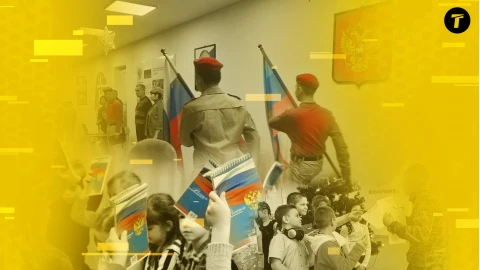
Since 2014 occupiers have utilized all means of mass communication, sometimes even involving children, to make them part of Russian society. During the full-scale invasion, the occupying authorities militarize the youth to defend "correct" interests and potentially participate in the war against Ukraine in the future.
Journalist of TRIBUN analyzed the methods of Russian propaganda influence on children in the occupation and learned about the measures the occupying authorities take to involve youth in promoting "values" and "ideas."
Russian authorities pay significant attention to militarizing youth.
This involves not only engaging children and teenagers in thematic competitions, "movements," and military volunteering but also conducting "lessons in courage." Typically, occupiers use these lessons to talk about Russian soldiers and their "exploits," events from 2014, and the full-scale war from a perspective advantageous to the Russian government.
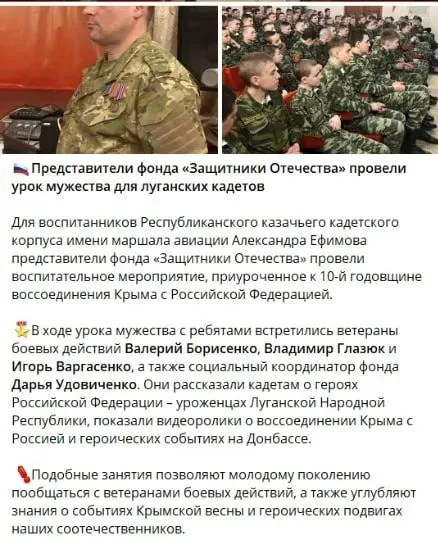
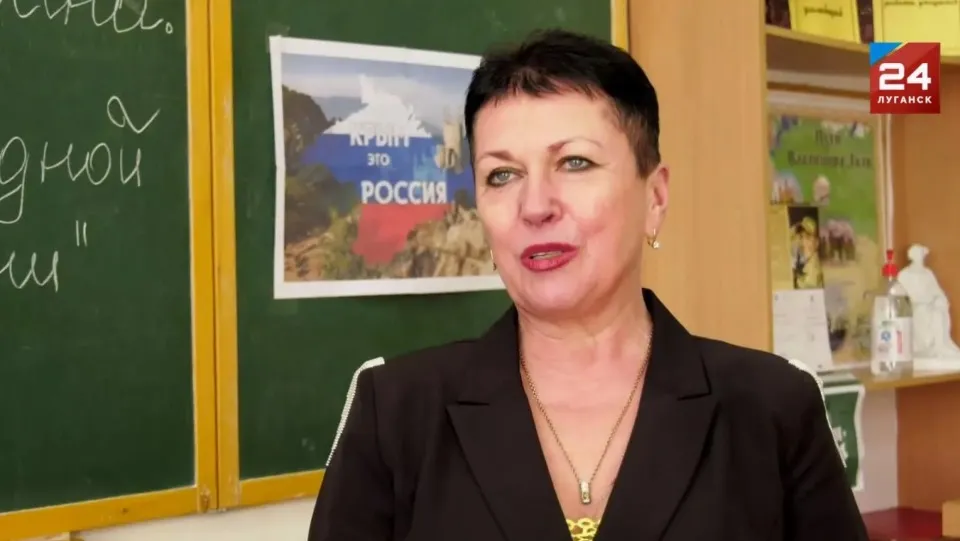
For instance, on March 27, 2024, representatives of the "Defenders of the Fatherland" foundation held a "lesson in courage" for cadets in Luhansk, dedicated to the "10th anniversary of the reunification of Crimea with the Russian Federation."
Occupiers "told the cadets about the heroes of the Russian Federation – natives of the Luhansk People's Republic, showed videos about the reunification of Crimea with Russia, and heroic events in Donbass."
In this way, teenagers in the occupied territories will only know about the annexation of Crimea from the perspective of the Russian side. Due to a lack of information sources and limited access to them, they do not have the opportunity to learn the truth.
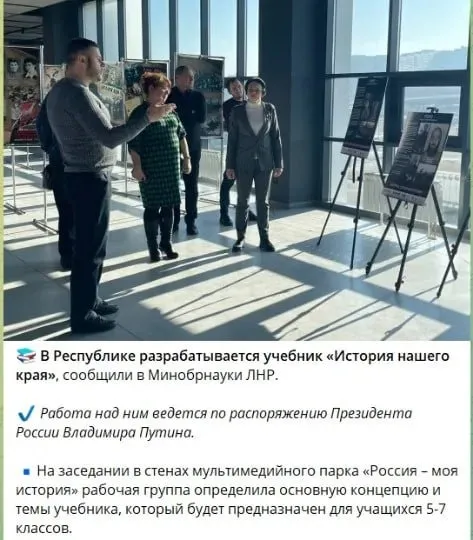
Occupiers continue to rewrite history to suit their agenda. The "Ministry of Education and Science" of the occupied Luhansk oblast announced on March 13, 2024, that it plans to develop a new textbook for grades 5-7 titled "History of Our Region."
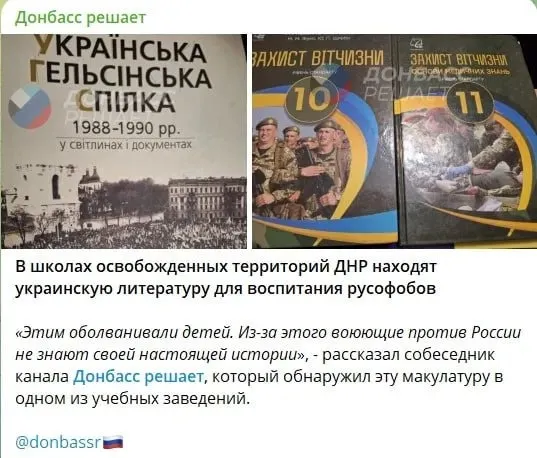
Meanwhile, textbooks of Ukrainian origin, which Russian forces find in newly occupied territories, are used for propaganda purposes and destroyed.
The hostile information channel "Donbass decides" published photos of books labeled "in schools on liberated territories of the DPR, Ukrainian literature is found for the upbringing of Russophobes." These include textbooks for grades 10-11 "Homeland Defense" and the book "Ukrainian Helsinki Union 1988-1990."
Occupiers claim that "they were brainwashing children with this. Because of this, those fighting against Russia do not know their true history."
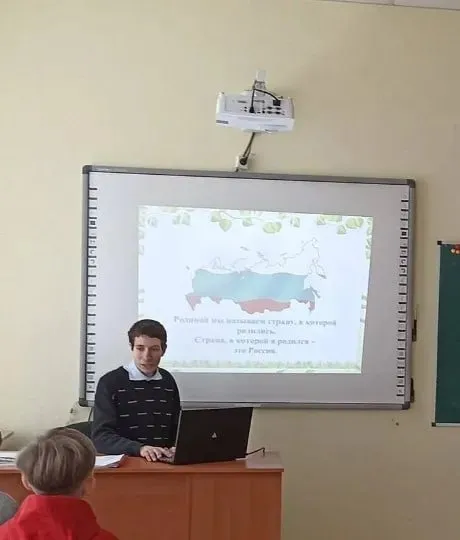
Promotion of Russian views and imposition on children that they are "Russian" also occurs in occupied Sievierodonetsk. In Gymnasium No. 11, a collaborating teacher during a lesson presents a slideshow stating, "We call our homeland the country where we were born. The country where I was born is Russia."
It is worth noting that Sievierodonetsk has been occupied since June 2022, so the children currently studying there were born and raised in Ukraine.
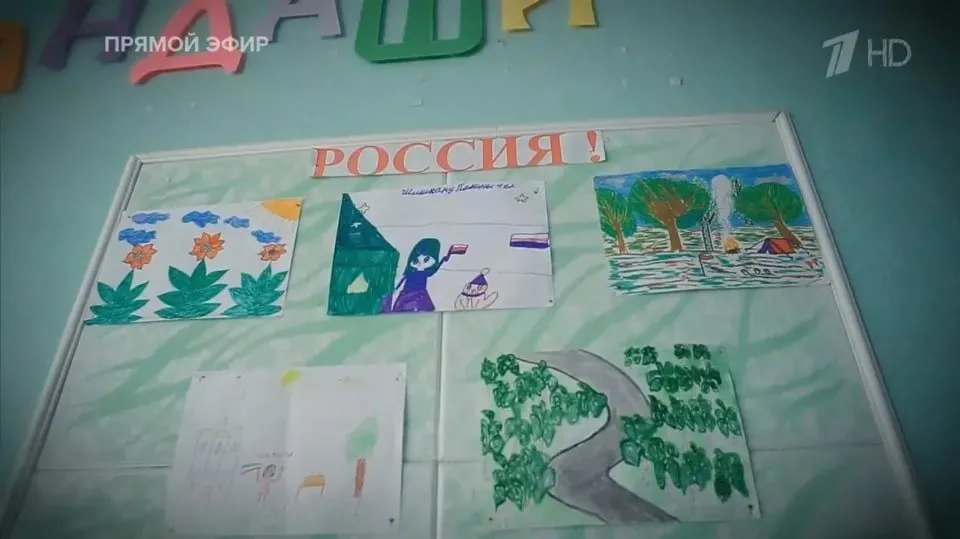
In schools in the occupied territories, it is also common to find displays in classrooms with Russian and occupation symbols.
For example, a similar display exists in one of the schools in Rubizhne. It bears the inscription "Russia" with corresponding drawings attached.
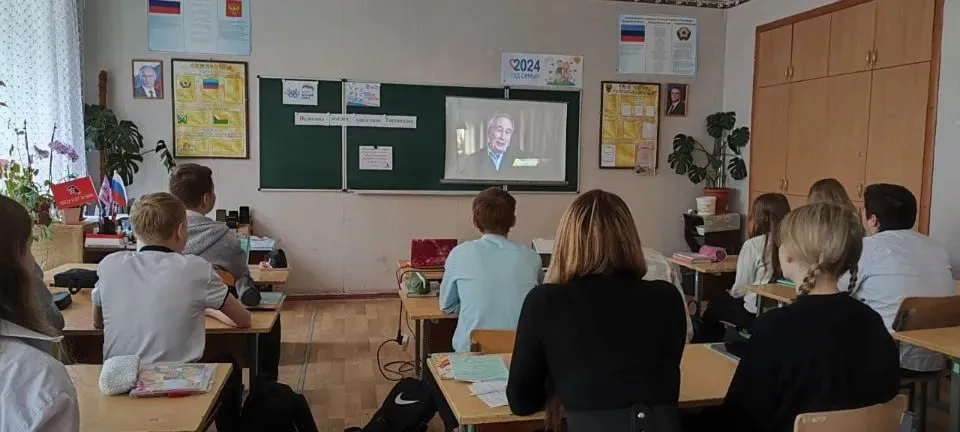
A striking example is a classroom in Sverdlovsk School No. 9, where not only Russian symbols are present but also a photo of the President of the Russian Federation.
Regarding discussions with young people in the occupied territories
In occupied Luhansk oblast, Roman Razum, Head of the Union of Filmmakers of Donbass, producer, and musician, showed his film "Russian Spring" to children. Its slogan is "We are fighting for Russia": it depicts combat actions, glorifies Russian soldiers, and so on. The film was shot near the occupied city of Lysychansk.
This is one of the effective methods of Russian propaganda. Such films evoke emotions, a sense of "patriotism," "understanding" of what is happening now, and urge action, subconsciously shaping perceptions of "heroism" and "heroes."
Considering this, youth who aspire to join something, assert themselves, and be involved in something easily succumb to influence. Information from the Ukrainian side is inaccessible to them.
The well-known fake about the "return" of "historically Russian lands" to the Russian Federation, which Russian propaganda has been spreading since 2014, still "lives" in the occupied territories.
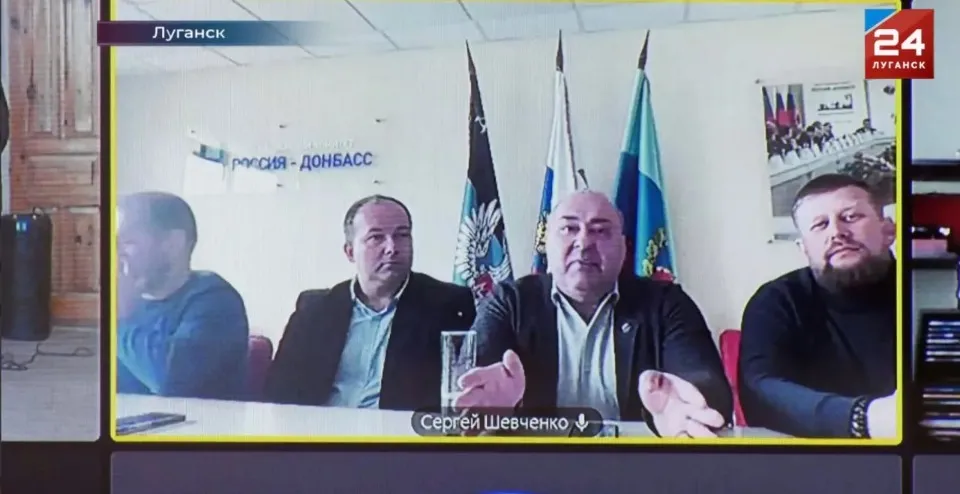
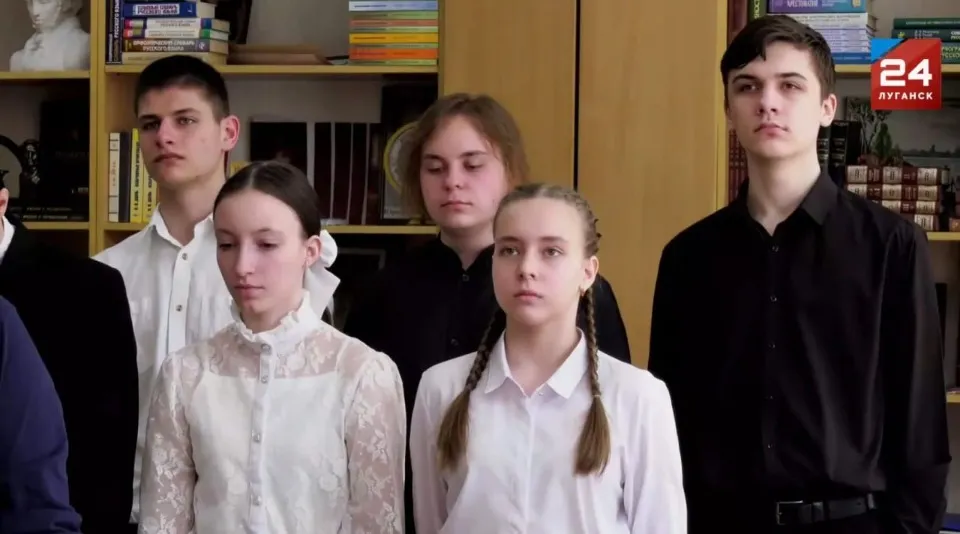
Teenagers in 2024 are still being told about the "Russian spring." For example, in School No. 5 in Luhansk, on March 19, a telebridge was held dedicated to the theme "how historical territories of Russia returned home, starting from February 22, 2014."
Impact of Russian holidays on the young generation in the occupation
To make teenagers and youth in the occupied territories of Luhansk and Donetsk identify with the Russian people, occupiers involve them in thematic holidays and various events. This promotes cultural values and demonstrates the so-called "unity" with the Russian Federation.
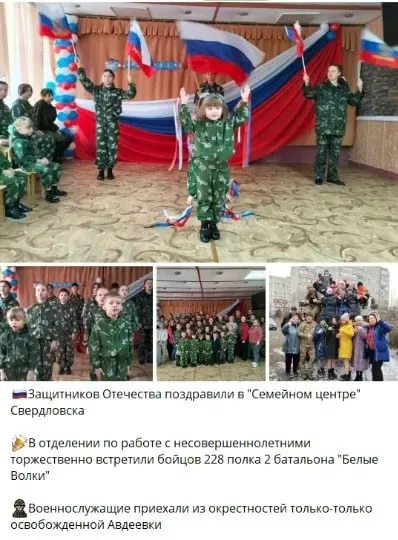
A symbolic holiday in which minors participated was February 23 - "Defender of the Fatherland Day." Its celebration took place at the "Family Center" in Sverdlovsk, located in the occupied Luhansk region. Children in Russian uniforms and with flags greeted the occupiers.
"At the department for work with minors, fighters of the 228th regiment of the 2nd battalion 'White Wolves' were ceremoniously greeted. Servicemen came from the recently liberated outskirts of Avdiivka."
Occupying authorities also involve the younger generation in various All-Russian events - propaganda of the "united" people.
For example, on March 26, 2024, schoolchildren in the occupied Luhansk region participated in the "Flower of Hope" action dedicated to the memory of the victims of the terrorist attack at "Crocus City Hall." The "Ministry of Education and Science" of the occupied Luhansk region reported that "children made origami crocus flowers with their own hands, which became a symbol of support for those affected in the terrorist attack."
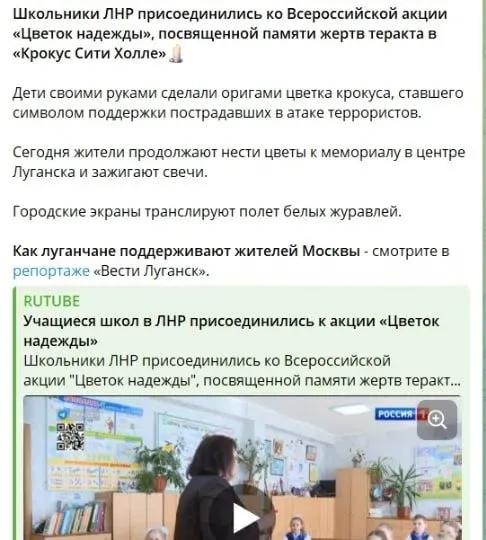
In some schools in the occupied Luhansk region, a similar action called "Cranes" took place.
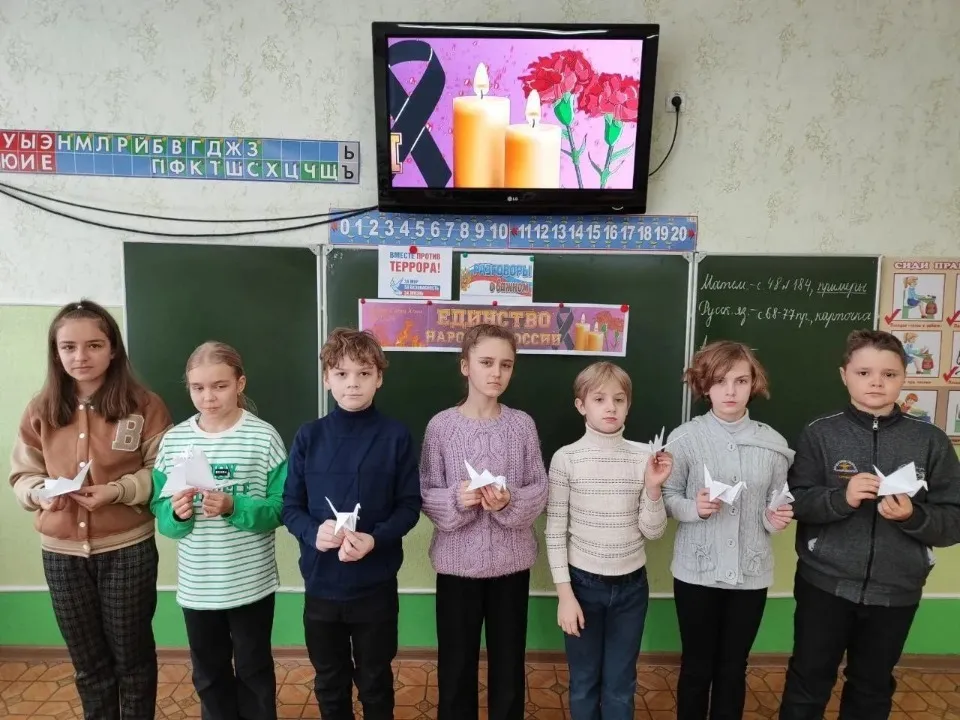
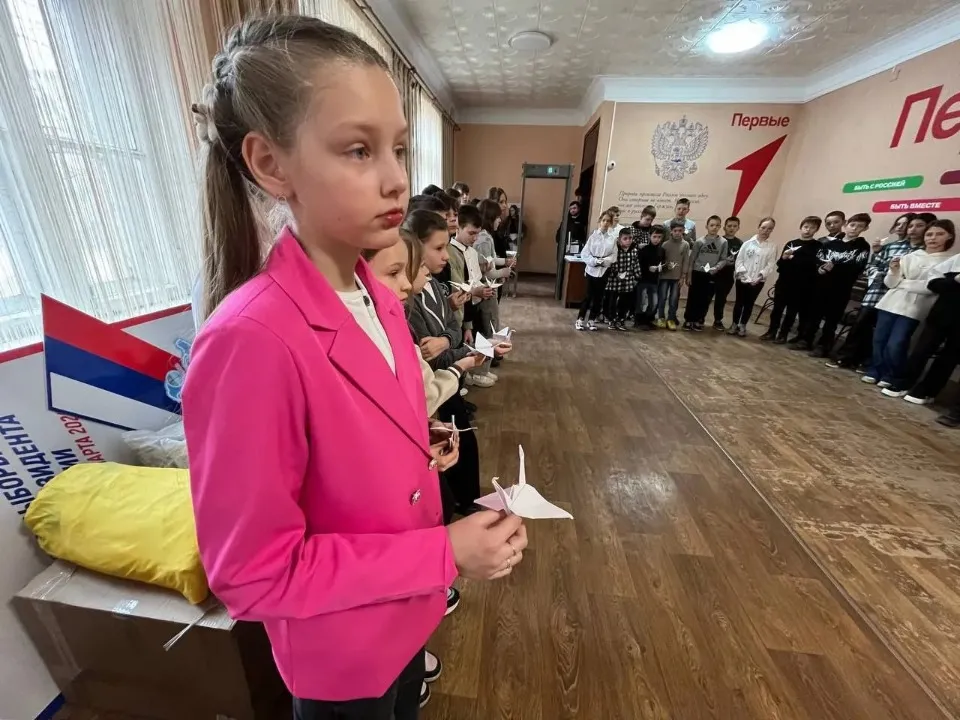
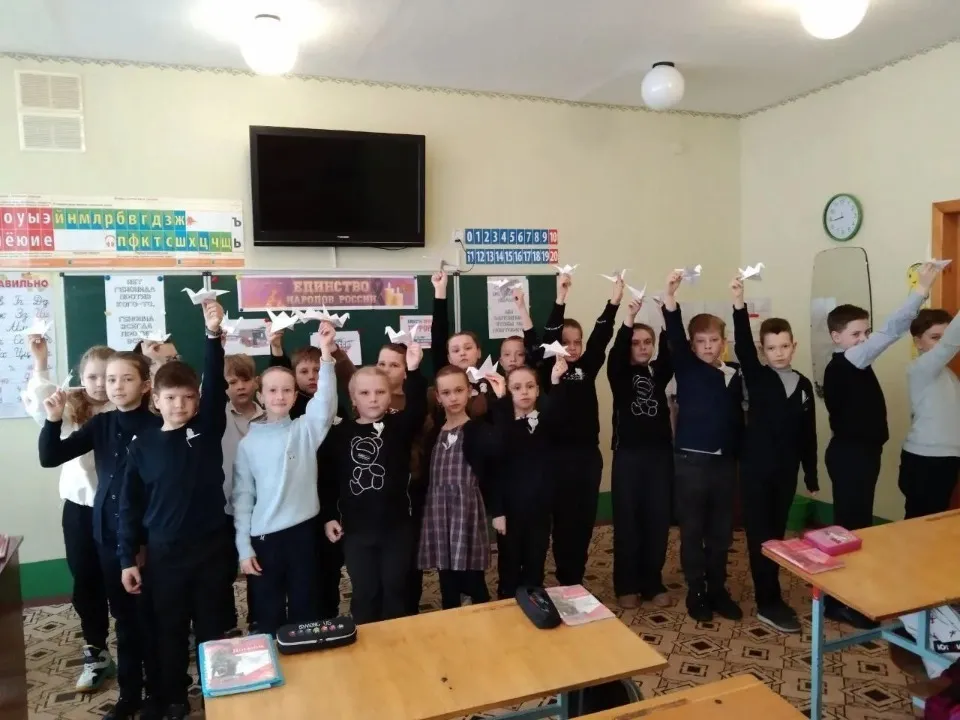
The events occurred during the educational process, so it is impossible to call participation in All-Russian actions "voluntary."
Thus, Russia employs all possible methods of propaganda to make children and youth from the occupied territories of Luhansk and Donetsk regions identify exclusively with the Russian people and consider the occupied territories as part of the Russian Federation. In this way, the enemy seeks to complicate, and in some cases, prevent the de-occupation of the territories.
However, it is worth remembering that not everyone succumbs to the influence of Russian propaganda. Some engage in partisan activities or try to show what awaits them in the Armed Forces of Ukraine.
The author: Yuliia Kanzeba