
Occupation government structures in Novopskov spread information about their "brotherhood with Russia," emphasizing a "shared past and roots" by appealing to the history of the Soviet Union period and the name of the city. But is it really the case?
Journalists from TRIBUN publication interviewed local historians and found refutations of the widespread myths. Here's what came out of it.
Ukrainian Roots
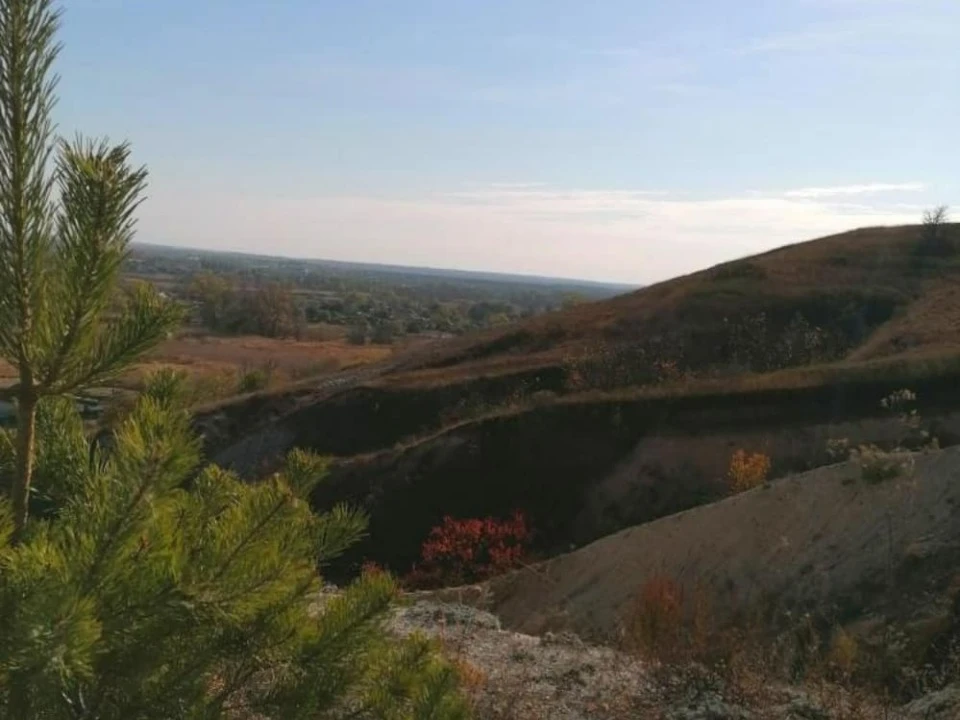
When in the second quarter of the 17th century, Ukrainians from the north and Don Cossacks from the southeast actively began to settle the "Wild Field," a settlement called Zakamyanka emerged in the area between the Aydar and Kamyanka rivers.
"Novopskov, like most of the active settlements in Luhansk oblast, arose at a time when many immigrants from Right-Bank Ukraine and Sivershchyna were looking for new places to settle. They settled in free lands. Thus, Slobozhanshchyna, and at the same time, our Zakamyanka, emerged. Why was this name? Because there was a river there, a right tributary of the Aydar, called Kamyanka. The settlement was located on the other side of the river, so it was named Zakamyanka," says local historian Arif Bahirov.
However, when the people supported the Bulavin Uprising, the settlements, including Zakamyanka, were burned down. Only a few survived.
"In those settlements along the Aydar River, primarily Cossacks and Cossack families lived. There was no intelligentsia there, no zemsky teachers. Due to the constant wars, the settlements were mostly made up of women - Cossack women, as their husbands were at war at that time," says historian Oleksandr Naboka.
All the surveyed experts on the history of Luhansk, including Novopskov, unanimously agree on one thing – life was extremely difficult for the peasants because they were settling in Slobozhanshchyna in search of fertile land and desired freedom.
"When the Sloboda regiments were disbanded, the peasants became subjects of the state. So when the Russian regiment arrived, they were already under oppression. Military service and serfdom were the burdens of that time," says Senior Researcher at the Novopskov Local History Museum, Alla Kobzar.
Later, the settlers faced a new adversity – the Pskov regiment.
Pskov's Rules
From Pskov to Zakamyanka, it's 1538.3 kilometers. In the spring of 1829, a squadron of the Pskov Cuirassier Regiment arrived in the village.
"Of course, along with the military, land surveyors and military officials arrived. When the Pskov regiment came, a lot of construction was carried out. But at what cost... The peasants then changed their usual way of life. They built a guardhouse, a house for the regimental commander, several houses for officers and workers. More than 60 houses for peasants and soldiers were also built. Military engineers created two streets, which are now called Ukrainian and Magistralna. In the northwest part of the village, a square for the military parade ground was arranged. Four bridges were also built for military purposes," says Mrs. Kobzar.
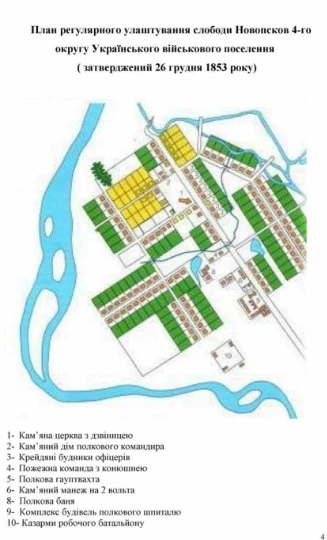
At the same time, the peasants became dependent on the military.
"Imagine that in those times, you couldn't even marry whomever you wanted. You had to ask for permission from the officers. The military also engaged in drills - they needed to eat something, so the peasants were responsible for farming and supplies. It was unusual because they even set timeframes for when to start planting and when to harvest. Everything was controlled," says the local historian.
The settlement was renamed to Novy Pskov, Novo-Pskov, and later - Novopskov.
"The change of the village's name from Zakamyanka took place in the spring of 1829 when military officials reported the completion of planting. Officers submitted a request to General Arakcheev to rename the village Zakamyanka in the name of the regiment - "Novo-Pskov." Initially, it was spelled with a hyphen, and then, as it got closer to modern times, it was written together. Before the regiment's arrival, there were 2,000 inhabitants, and when they came, there were almost 4,000. When they went to war in Crimea in 1950, there were 2,000 to 3,000 people left. There was a census in 1897, and Ukrainians made up over 83% of the population in our region. That's why we have Ukrainian traditions. Both culture and language," says Alla Kobzar.
Further history of Novopskiv, more recent, is available on the website of the Novopskov Military Administration.
Ironclad Evidence
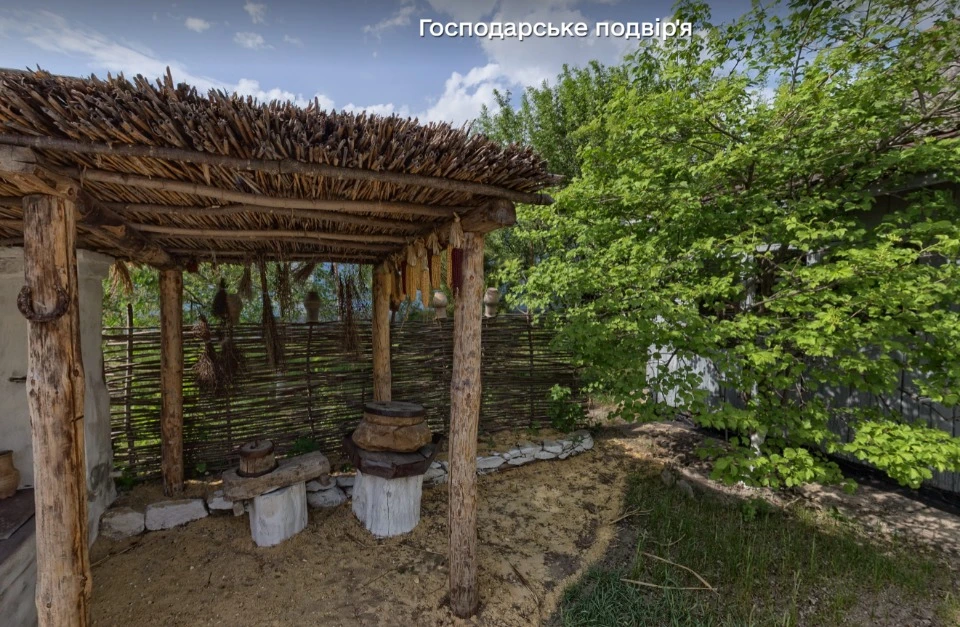
The myth of Russian roots is refuted by one of the most interesting landmarks in Novopskiv – the ethnographic complex "Slobozhansky Courtyard of the late 19th - early 20th centuries."
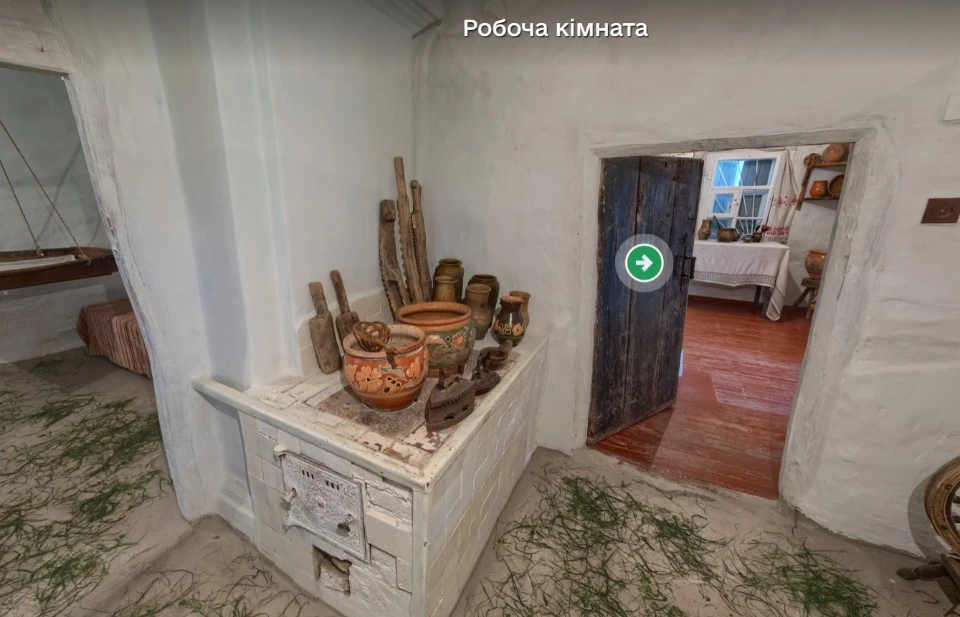
This is a unique object for Luhansk, which recreates the daily life of Slobozhanshchyna with the help of custom-made or carefully restored exhibits. "Slobozhansky Courtyard" is interesting because, in addition to the general view of peasant life in the 19th-20th centuries, it displays the local peculiarities of Novopskiv – unusual patterns on towels, special clothing typical for the region, and more," says Senior Researcher at the Novopskiv Local History Museum, Alla Kobzar.
She also adds that this museum was not created from scratch but from the house of a local priest.
"That priest served in the temple of St. Nicholas the Miracle-Worker, in the regimental church. Since then, the house remained almost untouched – it was carefully looked after by the villagers, later turning it into a cultural object," Mrs. Kobzar says.
If you visit a virtual tour of the museum, you can see a traditional Ukrainian house, pottery, and traditional embroidery from that time that has survived to the present day.
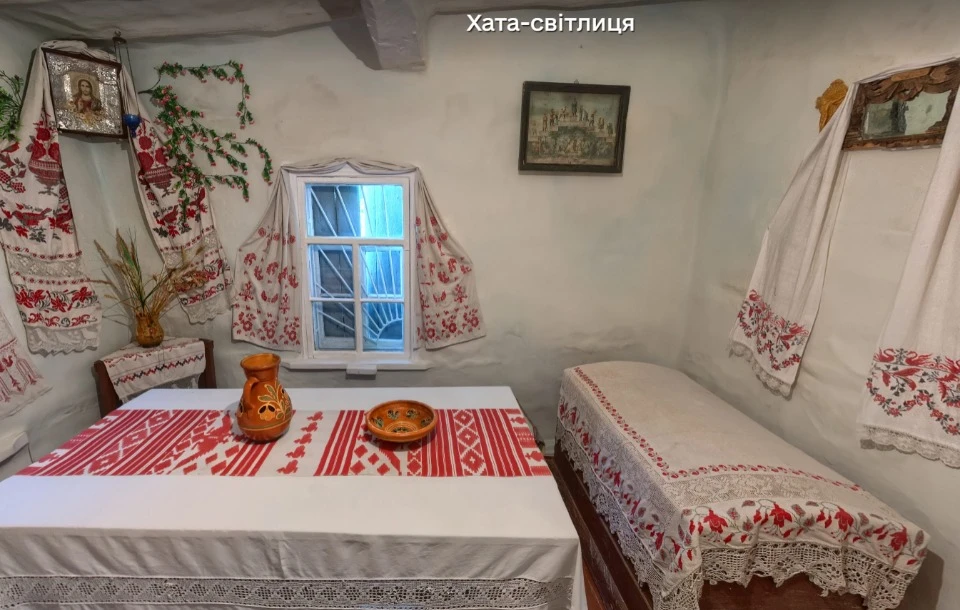
Today, while Novopskov remains under occupation, one can only hope that the museum is being preserved by caring individuals.
However, the most important thing is that the language and customs were not taken away from the people of Novopskov by the Russians over the centuries. And they won't succeed now.
"The very presence of the language already indicates that from the beginning, it was Ukrainian culture that was widespread there. For example, in Luhansk, as a big city, there was a period of Russification, but it did not reach the smaller towns," says Alexander Naboka.
Therefore, Russian propaganda chants are just words they want to pass off as real.