


Sievierodonetsk is one of the youngest cities in Luhansk oblast. Its residents had not yet celebrated its 90th anniversary when it was destroyed and occupied by the Russians following the full-scale invasion in 2022.Despite all the difficulties, the city has an interesting history which deserves to be known.
Researcher of architecture and history Semen Shyrochyn told TRYBUN about the city
The development of Sievierodonetsk was laid by the settlement of Lyskhimbud, built in 1932, on the left bank of the Siverskyi Donets, for the workers of the Lysychansk nitrogen fertilizer plant
Initially, there was an idea to settle all chemists in Lysychansk, near the Lysychansk chemical plant. However, after the beginning of construction of the nitrogen fertilizer plant, the workers of the factory had a long way to go to work, and naturally they wanted to live nearby.Since then, the future Sievierodonetsk began to grow and every year acquired more and more the outlines of a city.
In 1934, the first barracks began to be built in the village. According to the researcher, they were built at the intersection of Lenin Street (now Druzhba Narodiv Street ) and Zavodskaya (now Bohdan Lischyna Street). Later, two-story houses also appeared. However, there were no normal communications for life.Water was brought by oxen from the Borova River or from a well located outside the village.
In 1935, the first school appeared, which had 150 students, including adults who studied in the evenings. In the same year, the development of some more communications began: an 8 km railway was built, which connected Lyskhimbud and Rubizhne, the first issue of the newspaper called "For the Stakhaniv construction" was published, two-story buildings were let for operation, houses and a silicate brick factory was built.
On October 28, 1938, the Presidium of the Verkhovna Rada of the Ukrainian Soviet Socialist Republic issued a decree on the separation of Lyskhimbud and the construction of a separate urban-type settlement. After that, it began to actively develop and within a few years it had 47 houses and 9 barracks, as well as a school, a club, a kindergarten and nursery, a department store and administrative buildings.
In 1947, it was planned that the village would become the regional center when Lysychansk chemical plant was completed. This raised the question of naming the city. Five variants were offered:
- Donetsk
- Krasno-Donetsk
-Severo-Donetsk
- Novo-Lysychansk
- Svetlograd
In order to receive the status of a city, the settlement had to meet certain criteria characteristics.The most important point that Lyskhimbud was equal to what industrial enterprises were. This became an obstacle, because the construction of factories was not easy and slow.
"The city was built according to a centralized plan, but later it turned out that further growth is expected - more than thought at first," Semen Shyrochyn says.
After some time, Komsomolsk-on-Dinets was added to the names already mentioned. In the end, the city was renamed to Sievierodonetsk in 1950.
"In terms of urban planning, Sievierodonetsk became secondary to the plant.If the enterprise has access to water, the city itself did not. As it does not have its own passenger station, and the railway, laid in the 1930s, leads to the factory.That is why the Lysychansk railway station serves two cities at once ", - the architecture researcher comments.
After the 1950s, Sievierodonetsk began to acquire its familiar appearance. The first product was obtained at the chemical plant (now "Azot") - ammonium nitrate. Later, they also received products from the workshop of weak nitric acid.
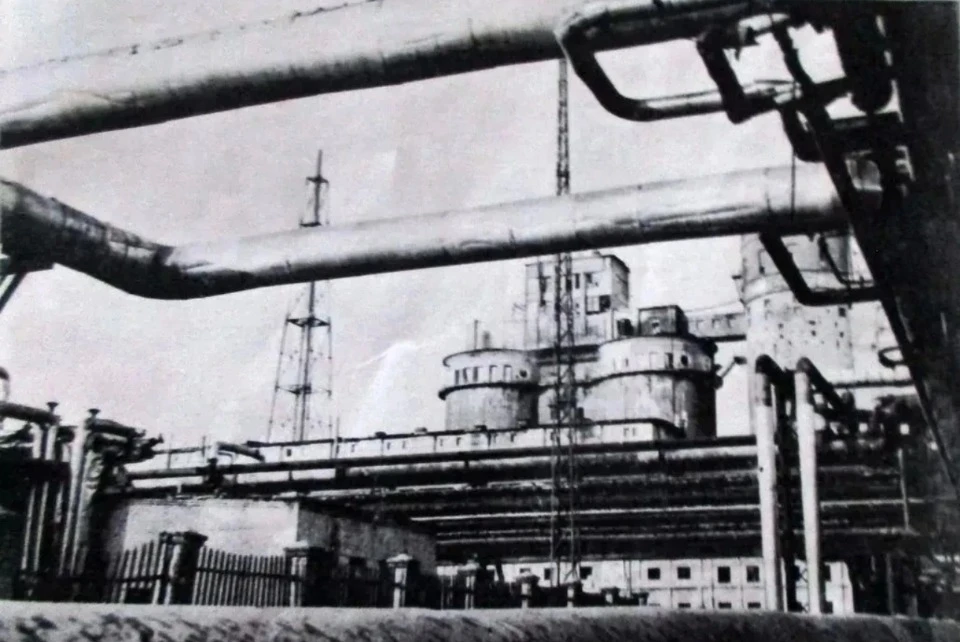
The Sievierodonetsk branch of the State Institute of Nitrogen Industry was established.The act of acceptance into operation of the first workshop of the chemical plant, later - the strong nitric acid workshop and the methanol synthesis workshop was signed. Within a year, the construction of the first stage of Sievierodonetsk thermal power plant was completed. At that time, 27 thousand people lived in the city. The construction of the city council was started.
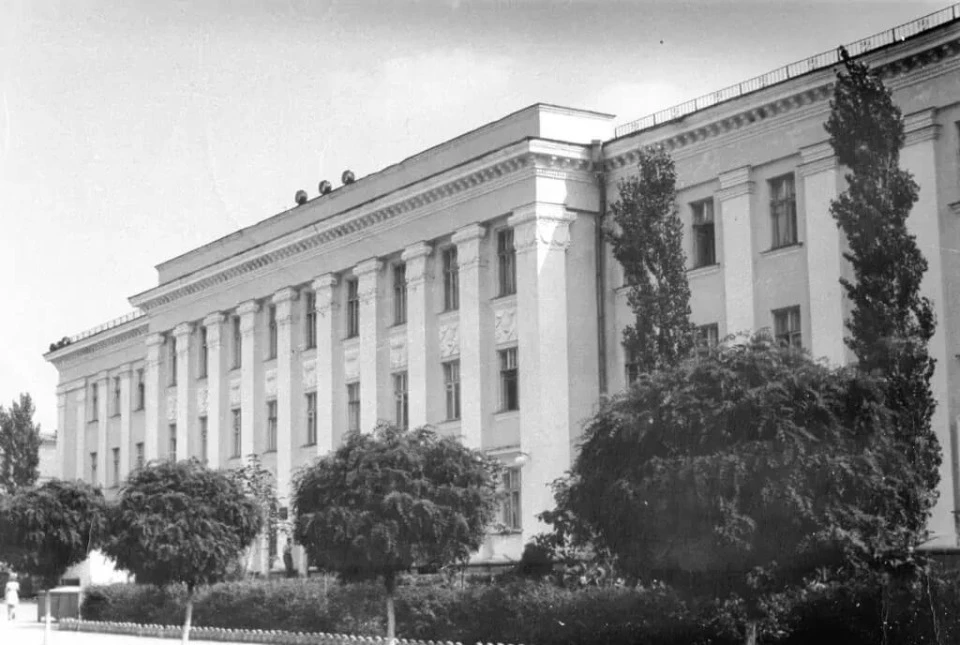
The project of Sievierodonetsk was developed at the Kharkiv Institute of Building cities.
"According to the initial plan, the city was laid out in the typical rectangular block structure of the time, ranging from 3.5 to 7 hectares. .Streets 25-30 meters wide and highways 50 meters wide with boulevards were laid between them. Key highways connected the city center with factory".
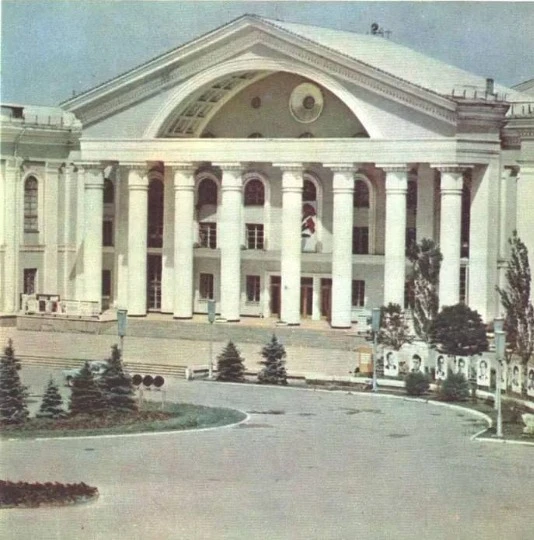
In 1959, the construction of the famous Palace of Culture of Chemists began.
It became the latest neoclassical building in Sievierodonetsk after the beginning of the struggle against excesses in architecture in 1955.
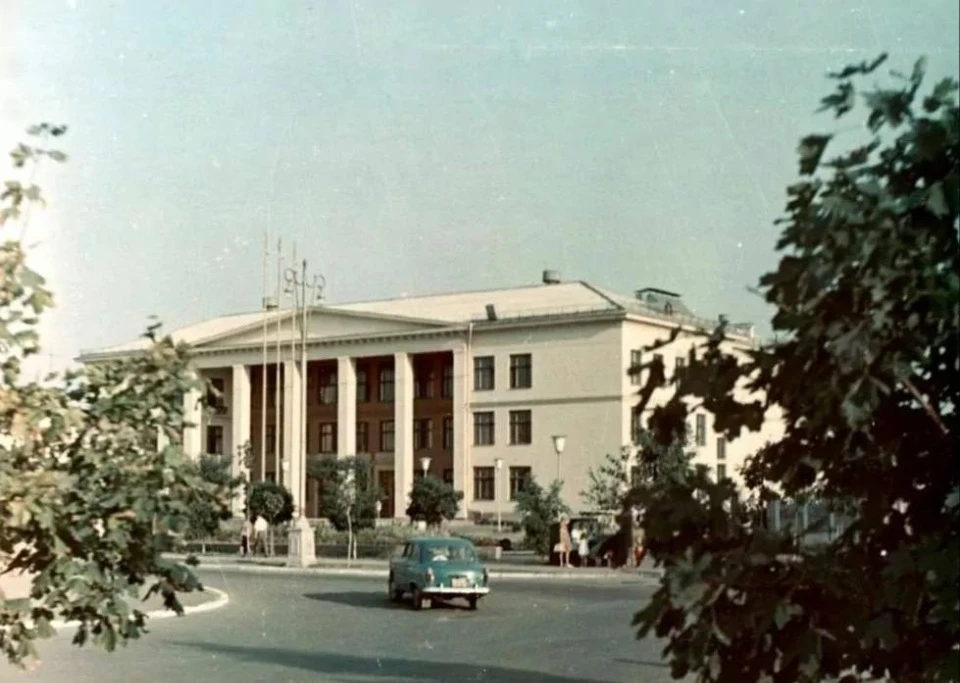
"Palaces of culture were built from the very beginning. In the 1950s, a cinema was built on Druzhba Narodiv Street, 21 (later - Luhansk Regional Ukrainian Music and Drama Theater), and on the turn of the 1950s - 1960s - the Palace of the Builders on Khimikiv Avenue", the researcher of history claims.
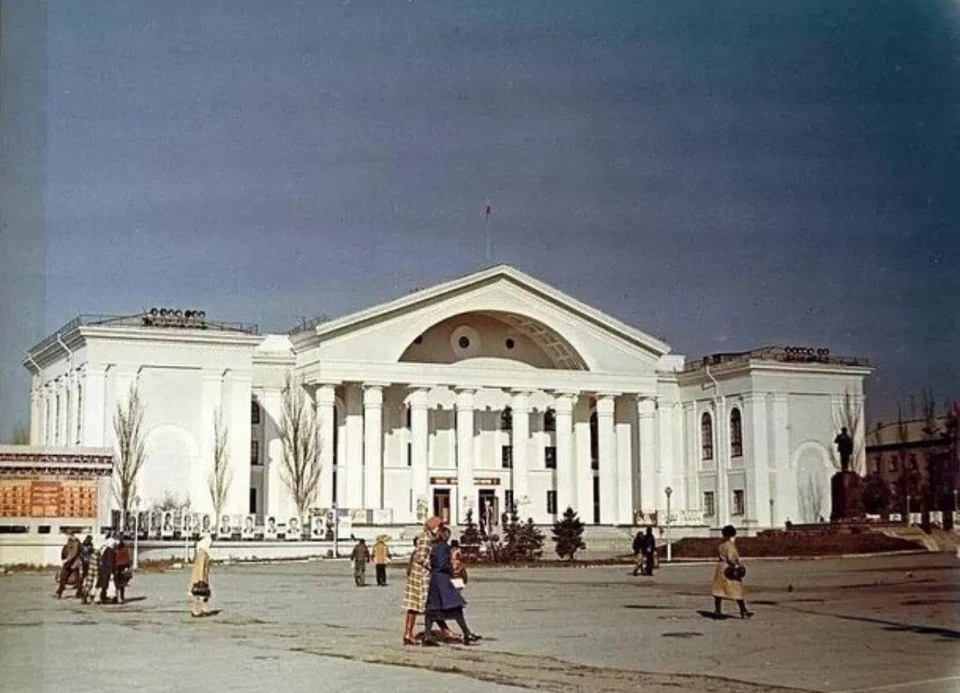
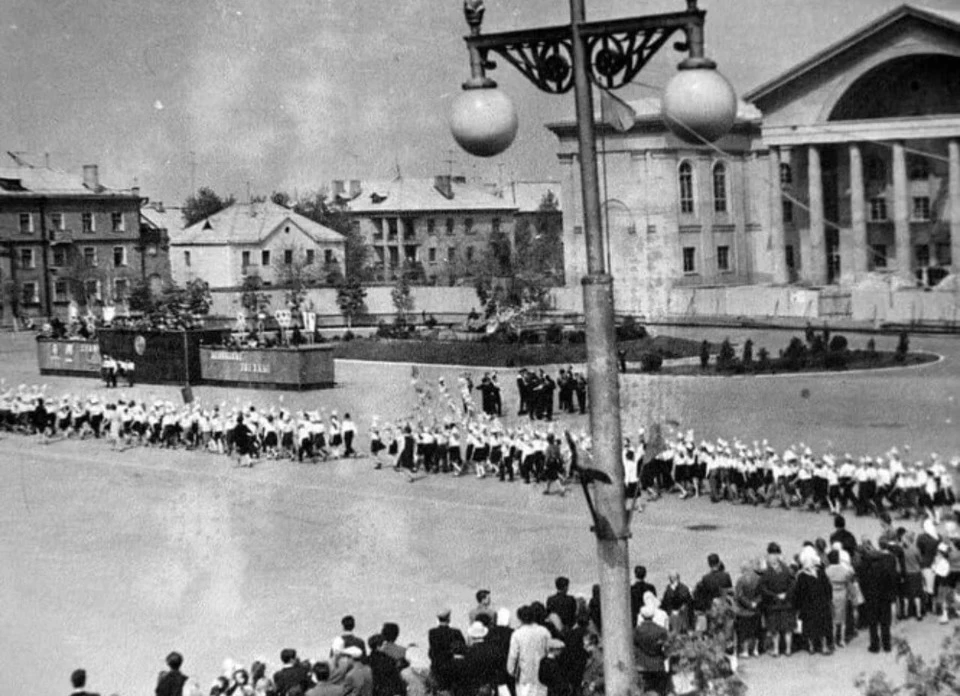
According to Doctor of Historical Sciences, Professor Oleksandr Naboka, the building where the theater in Sievierodonetsk worked was built in the early 1960s of the 20th century as a cultural center of the Sievierodonetsk Plant "Skloplastyk". It was a typical design building for cultural institutions of that era - an echo of the "Soviet Empire" style, which developed during Stalin's times.Since 1994, the City Drama Theater was located here, after major renovation in 2017, it became the base of the regional theater.
At the end of the 1970s, Sievierodonetsk had a population of about 100,000 people. So the expansion of the territory began.
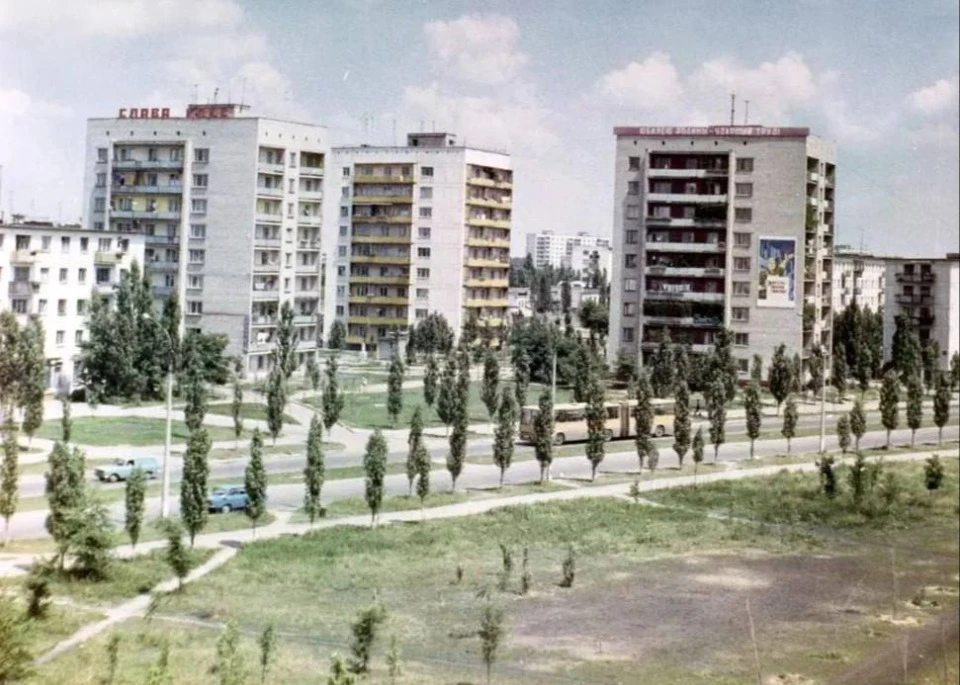
"Earlier, the blocks were smaller (3.5-7 hectares), and the structure of the streets was denser.Starting from the 1960s, much larger micro-districts came instead of blocks.The main obstacle to the growth of the city was that industry cut it off from the river. So the city could only grow to the east and south.With growth, there was a need for new highways, which was done," Shyrochyn says.
Hvardiiskyi and Central avenues were built.
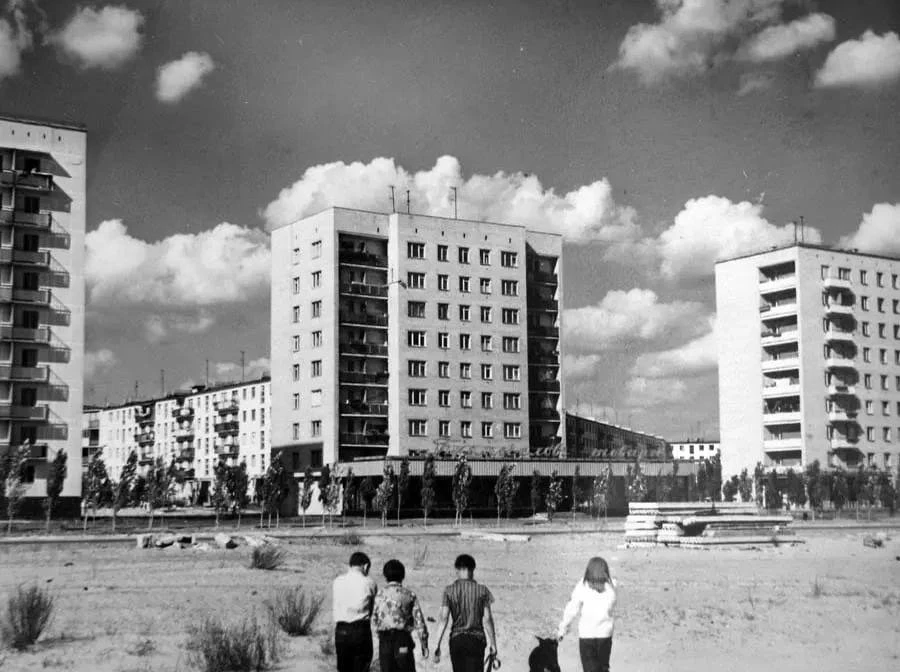
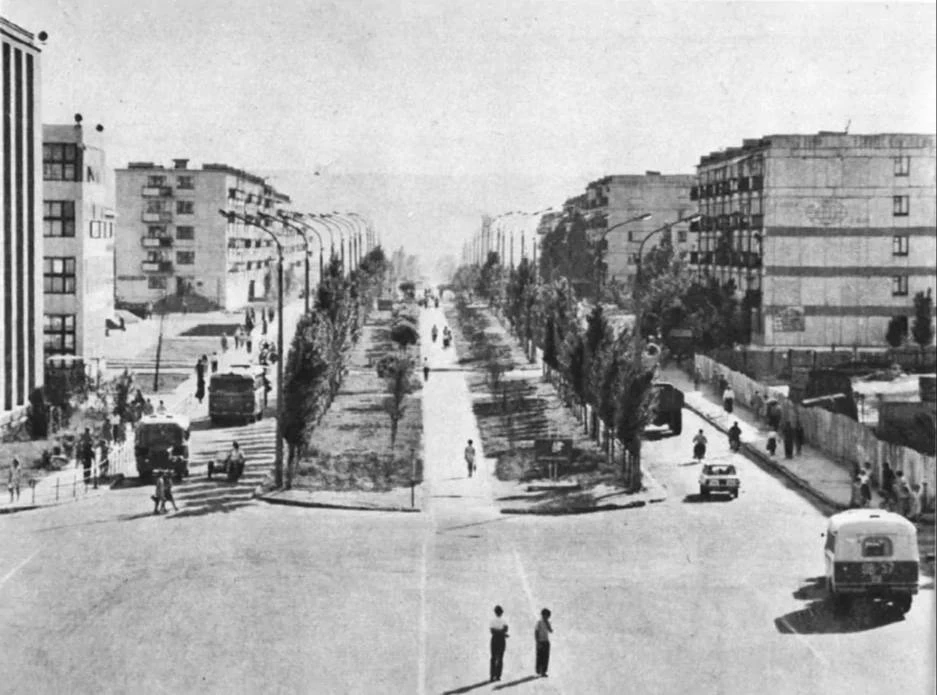
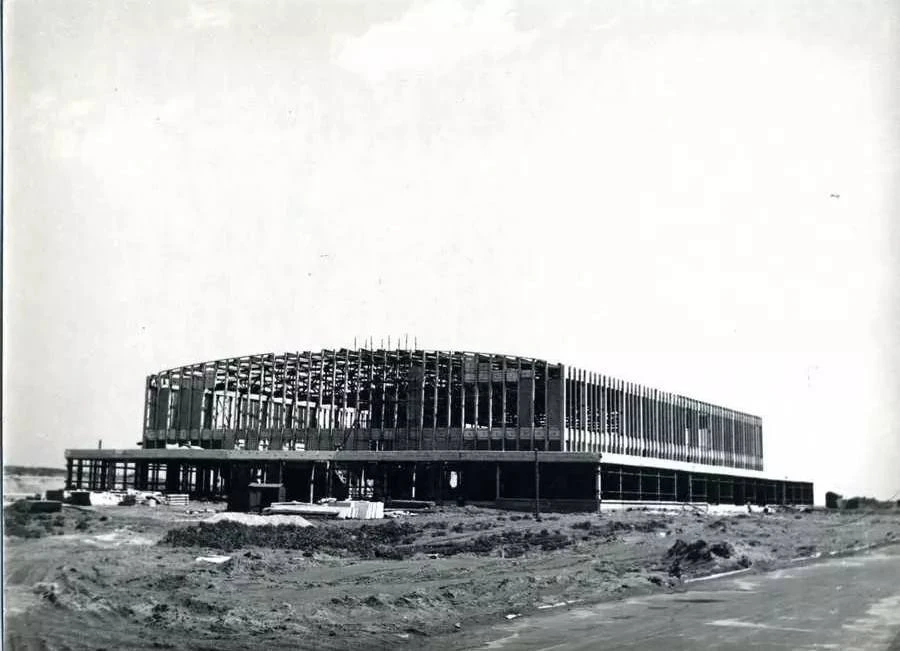
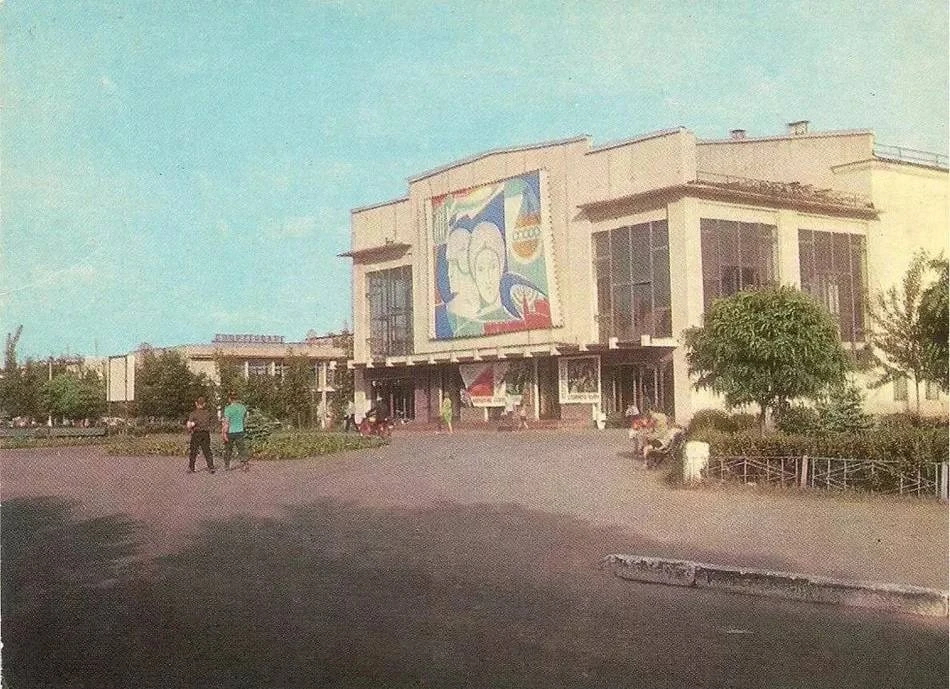
"Victory Square is a compositional node of a part of the city that began to be actively developed in the 1960s. Here, the central avenue intersected with the new highway -Hvardiiskyi Avenue. A number of infrastructure facilities were built here, including the famous Ice Palace.It was built in 1970-1974 and was opened on May 5, 1975.The already implemented project was taken as a basis. As a rule, such buildings were quite laconic in design.The exterior also contained panels on sports and theater themes. The palace was the largest in Ukraine and lasted until 2022."
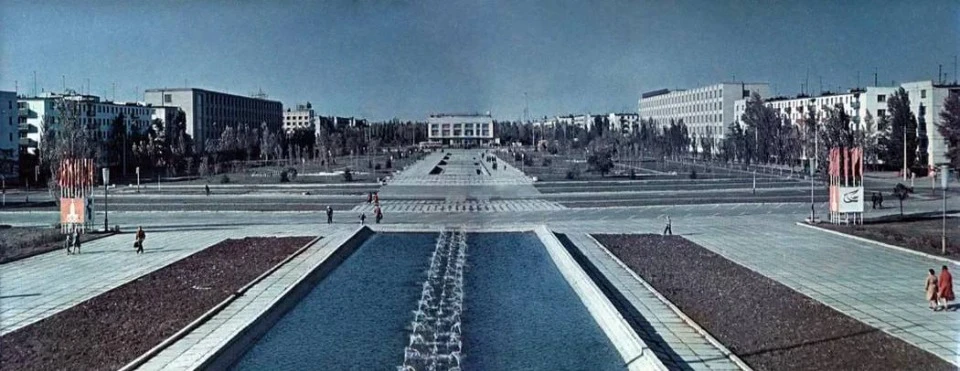
The buildings near the Ice Palace were mostly residential buildings, which occupied the perimeter of the square.A shopping mall was built opposite to the complex, and the central part of the square was open to create a spectacular perspective.
Expansion to the east, towards the forest, was already underway with the construction of more green areas, and two-story buildings were replaced by three-story buildings, followed by five, and then nine-story buildings.They are trying their best to green the city, bringing chernozem from the Siverskyi Donets and planting. In the past, Lyskhimbud was built as an industrial village on sand and its development was not foreseen. Semеn Shyrochyn says that this type of embankment also performs a soil protection function.
Sievierodonetsk prospered year after year, until it suffered a dire fate after the full-scale invasion in 2022.The occupiers destroyed most and almost all of the city's landmark buildings:palaces, churches, concert halls, university, squares and much more. It became a real tragedy for all the residents of Sievierodonetsk.
The author: Valeriia Demydovych