

The development of railway traffic in the east of Ukraine significantly influenced the industrialization of the oblast. How did the first railway line in Luhansk oblast appear? What is its role in modern Luhansk oblast?
Doctor of historical sciences, professor Oleksandr Naboka told TRYBUN about all this and not only in an interview.
— When did the development of railway traffic in Luhansk oblast begin?
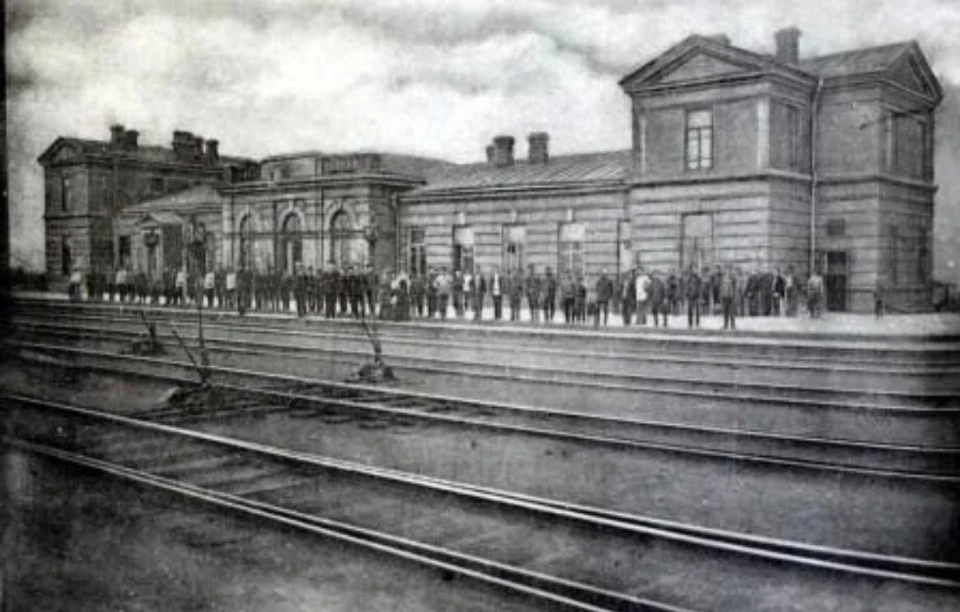
— The development of railway communication in Luhansk oblast is connected with several factors.First of all, it is the dynamic industrialization of the oblast in the second half of the 19th century.After the opening of Luhansk Foundry at the end of the 18th century, there was a lack of an infrastructure system that would connect Luhansk with the leading regions of the Russian Empire and Above- Dnipro Ukraine.Without reliable railway transportation, it was impossible to supply the main Black Sea base of the Russian Empire - Sevastopol - with coal and, importantly, ready-made guns.In 1841, the nobleman Vorontsov developed a project for the construction of a railway connection that would connect Lysychansk (where the first mine of Donbas was located) with the Azov coast, but it was rejected.This problem, which was also noted by Carl Gustav Gascoigne, became one of the main reasons for Russian defeat in the Crimean War of 1853-1856.After selling Alaska, Emperor Alexander II directed most of the 9 million dollars received to build the first railway in the European part of the empire.Its Luhansk-Donetsk direction was named "Donetsk Coal Railway and began to be built in the 70s of the 19th century.In 1878, the station "Luhansk" was built.For some time, the Donetsk Coal Railway was private and its head office was located in Luhansk.In the 1870s, it was joined to the state Katerynska railway, the construction of which continued in the 80s and 90s of the 19th century.In the 1990s, its branches connected the industrial regions of the Katerynoslav province (the modern south and west of Luhansk oblast) with the agrarian regions of the Starobilsk district of the Kharkiv province (the modern north of Luhansk oblast).The Svatova Luchka (Svatove) station appeared, which connected Donbas and Slobozhanshchyna with Kyiv.
— And what branches of railway traffic in our oblast began to appear over time?
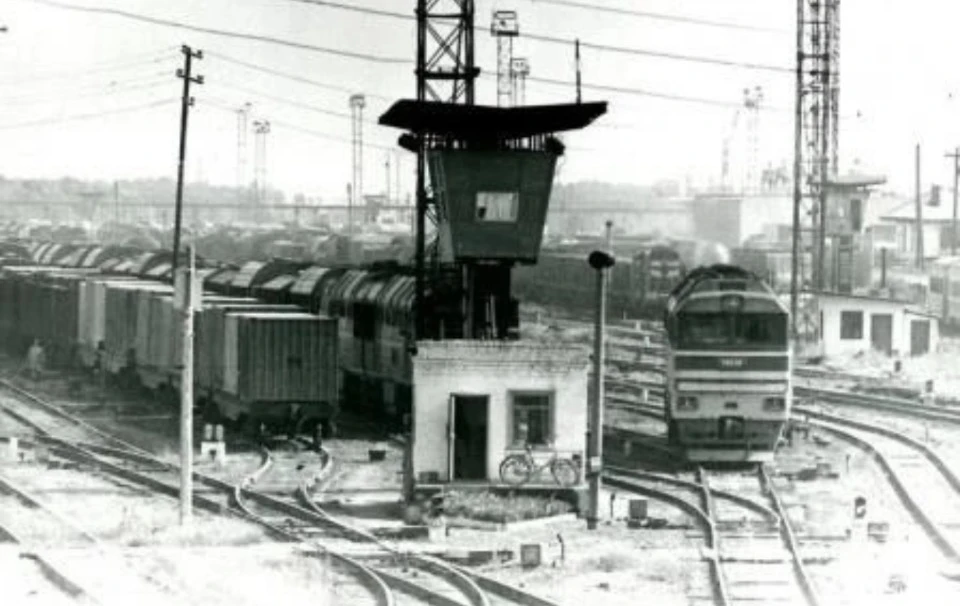
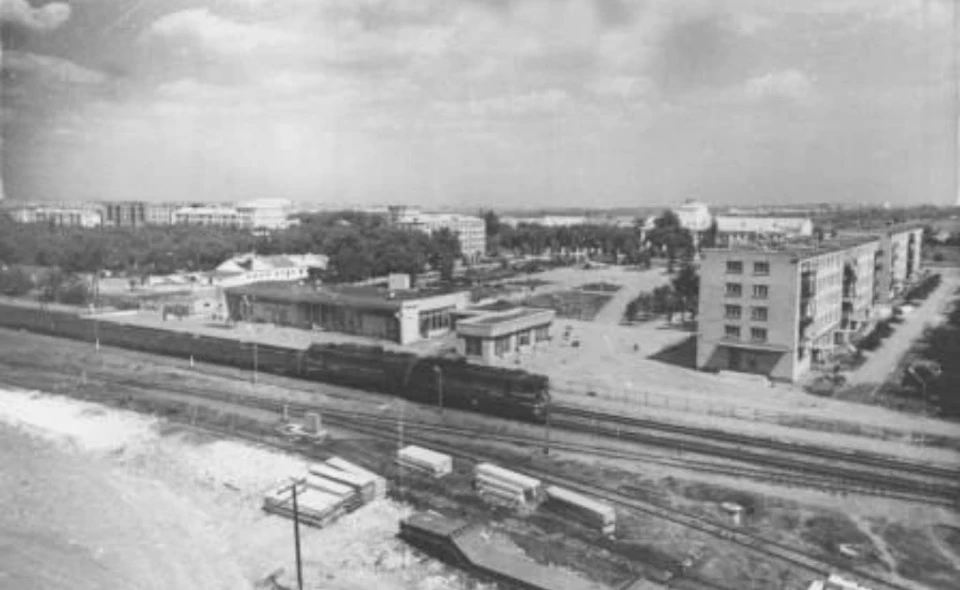
— The further development of the railway line dates back to the Soviet times.It can be mentioned, in particular, that in the 1930s, the Starobilsk station was built, through which a railway branch directly connected the agrarian north of the Luhansk oblast with Moscow.The station itself was built back in 1895, but in the 30s of the 19th century it gained key importance after the construction of the Moscow-Valuyki-Debaltsevo line in 1932-1938.
— Did the trains transport people ?
- It seemed that there were also passenger trains. At least the passenger connection appeared almost immediately with the industrial one. However, the ticket was quite expensive. At the end of the 19th century, a 3rd-class ticket from Odesa to Moscow (similar to a modern reserved seat) through our regions cost about 25 rubles.The monthly salary of a rural was 45 rubles.
— Was the railway in Luhansk oblast important for the transport system of Ukraine?
— No doubt that it is important. The Lysychansk-Svatove-Kupyansk-Kharkiv-Kyiv branch is the only one that connects our oblast with other oblasts of Ukraine.
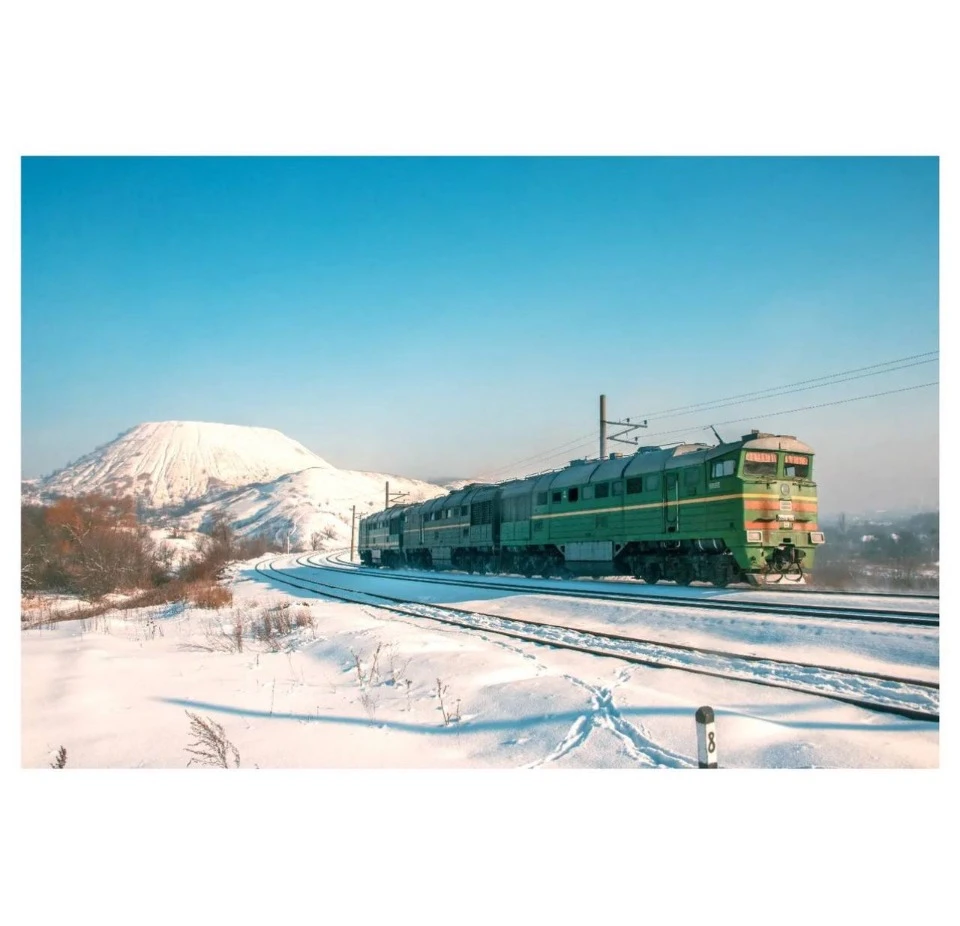
— How did the railway and the entire industry connected with it affect the growth of Luhansk and other settlements?
— The railway contributed to a sharp revitalization of the economic activity of the oblasts through which the railway connection passed.We are talking about both industrial areas and agricultural areas of the North.The railway played the role that the initiators of its creation laid down.
It connected Luhansk oblast with the leading consumers of its products - the south of Ukraine, where coal from Lysychansk, guns from Luhansk, grain from Starobilsk district was distributed.
What happened to the railway traffic in Luhansk oblast after the start of the war in 2014? Has it experienced difficulties?
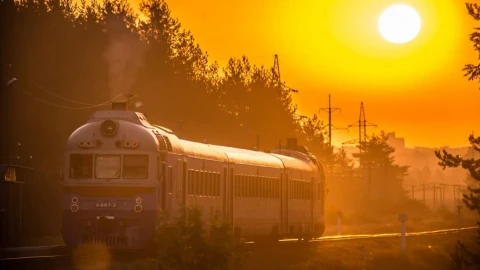
— The war of 2014 seriously influenced the railway traffic of our oblast.The connection between the northern parts of the oblast and, for example, Stanytsia Luhanska was actually stopped.The final point of this branch - Debaltsevo - was under occupation.All branches leading to and from Russia were closed.The launch of the diesel train, which connected the northern parts of the oblast with Stanytsia, somewhat solved this problem.Ukraine retained control over the Lysychansk-Svatove-Kupyansk branch, which was the main system for providing the needs of the Ukrainian army in 2014-2022.
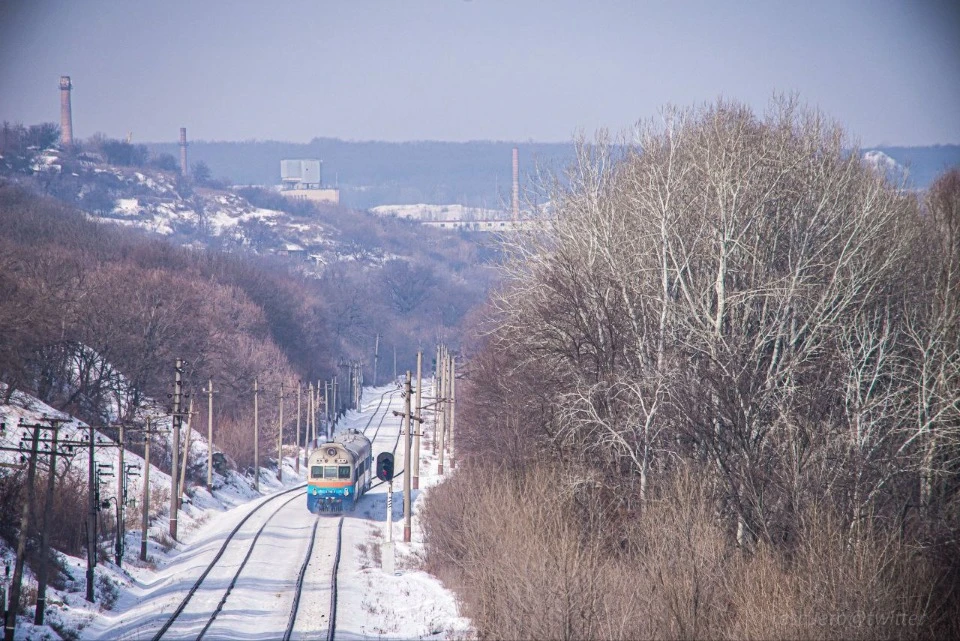
— There is a street and a station "Moscow-Donbas" in Stanytsia Luhanska. Do you agree with the statement of the locals that it was the station of the last century that allowed Stanytsia to survive?
-It played a significant role in revitalizing the agrarian area, allowed local people to carry out labor migration, the export of local agricultural products to various regions of the Russian Empire increased.
However, talking about survival is an exaggeration.It was part of the logistics of the economic system, but to consider the local railway "the road of life" is already an ideological exaggeration.
— What do you, as a person, like most about the history of railway transport in Luhansk oblast?
- I consider the German businessman Gustav Hartman, who in 1896 founded the "Luhansk Steam Locomotive Plant" in Luhansk, to be the most important hero of the railway history of Luhansk oblast.
He revitalized the economic situation in the city and determined the specifics of its development.Back then, women worked at a cartridge factory. So Hartmann, as he himself noted, gave them a job.
- What happened to the railway nodes in the oblast after the invasion in 2022?
— Unfortunately, they were all captured and these nodes are now working to support the enemy army.The Valuyka-Starobilsk line allows to ensure the supply of the Russian group, which is currently attacking Kupyansk.
— In your opinion, after de-occupation will it be possible to restore these nodes? What will be required for this process?
— Nodes will need to be restored. In particular, this applies to the Lysychansk-Svatove-Kupyansk-Kharkiv line, which is important for our oblast, especially from the logistics point of view.