

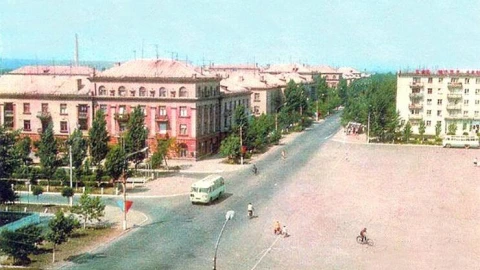
Rubizhne is a city-center of constructivism in Luhansk oblast. Local historian from Sievierodonetsk Arif Bahirov thinks so. He explains how the name of the "red town" district is connected with the color of the material, which buildings in Rubizhne were built in the constructivist style in the 1930s, and why housing there was much more expensive than apartments in other areas of the city.
Let's analyze this material published in TRYBUN
Arif Bahirov is from Sievierodonetsk. He was a public figure in his hometown. He was interested in the history of his native land and studied it while traveling. Today, he aims to tell people as much as possible about his small Motherland and its many years of past.
"Red Houses" district in Rubizhne
The "Red Houses" district is the historical part of Rubizhne. There are several streets where buildings constructed by German prisoners of war in the late 1940s and early 1950s. These houses have red brick cladding. That's why the district has such a name.
Initially, there was a village in the constructivist style in its place. It was built for the workers of enterprises during the heyday of industry in Luhansk oblast. Rubizhne was an important railway junction and the center of the chemical industry at that time.
"This was quite a common phenomenon for Luhansk oblast, when housing was built around a large enterprise. Constructivism is one of the origins of avant-garde. Its features include angular forms of houses without large decorations and unnecessary details, maximum functionality and economy during construction. The building is assembled as a constructor. This is a completely different, unique architectural style in Luhansk oblast. At the time, the village and buildings in this style were the most fashionable and modern in the entire oblast," the local historian says.
The period of avant-garde constructivism in Luhansk oblast lasted 10 years. In the early 1930s, they began to reject it, calling it bourgeois.
"In Europe, it is still called Bauhaus, after the name of the architectural school in Germany, which was dispersed after the Hitler's arrival". Its main rule was a rebellion against everything decorative and excessive.So it turns out that in the USSR one dictator reversed constructivism, naming it bourgeois, and in a Western country - another put the brand of degenerate art on it" - Arif adds.
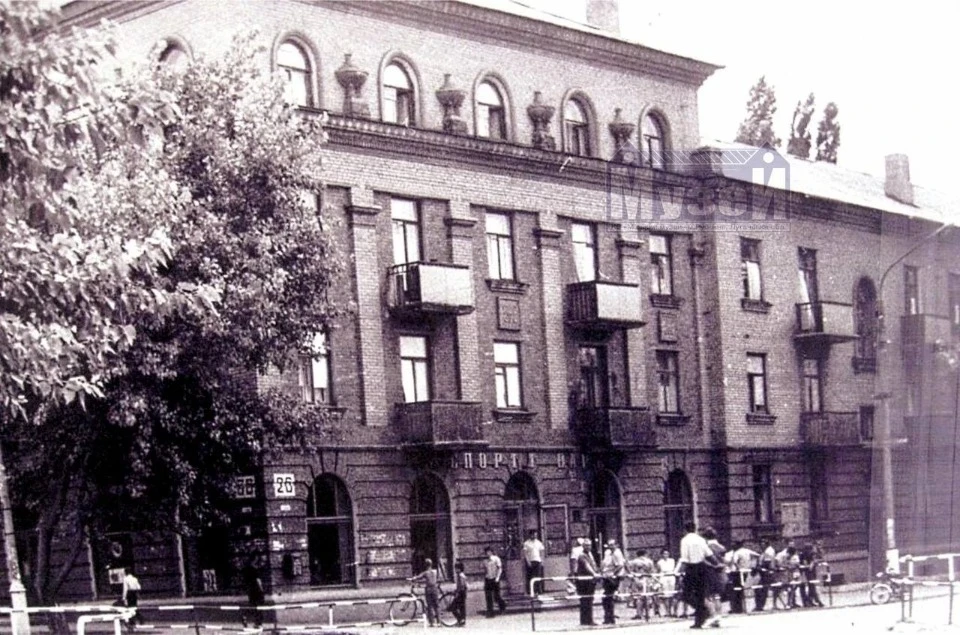
Subsequently, there was a return to classicism, in which the familiar appearance of the "Red Houses" district was built.The style was popular in the Soviet Union in the 1930s - 1950s. It is characterized by massive columns, elevated plinths, luxurious details and decorative elements that create the impression of monumentality and majesty.
This style reflected the desire for greatness and power of the state, which was typical for that time.
What buildings in Rubizhne were created in the constructivist style?
"I am talking about some houses around the First Secondary School. If you look, these are ordinary buildings that do not make any great impression. However, I consider them to be an architectural monument proving that Rubizhne was the most progressive city. I also like the houses near the department store. They look beautiful and strong.
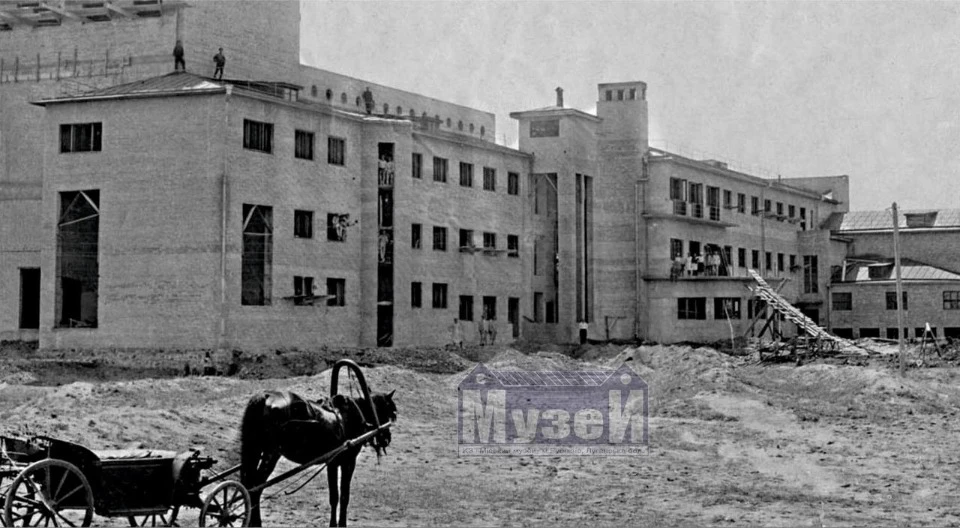
Another example of constructivism is the Palace of Culture, built in 1933. Firstly, it was named after Postyshev, then - Kirov. It was destroyed long before the full-scale invasion. And my most favorite building of this style is the fire department, located near the Zorya stadium, - Arif Bahirov says about his favorite buildings in the style of avant-garde constructivism.
Until the full-scale invasion in 2022, real estate in these buildings, despite their age, was worth almost the most in the city.
"Everything depends on the layout of the house. For example, in Sievierodonetsk the most expensive were the so-called "Stalinki '' because there were tall ceilings and thoughtful communications inside.
The above-mentioned buildings in Rubizhnе were not built for ordinary workers, but more for professional ones, such as engineers, as well as for superiors.
hat's why they turned out to be as comfortable as possible and, accordingly, more expensive," the local expert explains.
Steel, glass and concrete were the main materials used in constructivism.This material made it possible to create something that could not be built with bricks.In addition, in constructivism it was important to use the latest techniques and technologies to ensure the efficient operation of structures.
Rubizhne together with Sievierodonetsk and Lysychansk was part of the so-called "chemical triangle". There are similar points in the development of these cities, but there are also differences.
"This "chemical triangle" was part of the "Khimvugil" trust, which, in turn, was engaged in the development of factories.
Accordingly, the same company could develop several industrial centers under one program. Later, when a large construction department appeared in Sievierodonetsk at the base of the silicate brick factory, construction of structures began from
local materials. For example, an oil refinery or a factory of rubber technical products. Since then, it was already possible to observe differences in the development," the man explains.
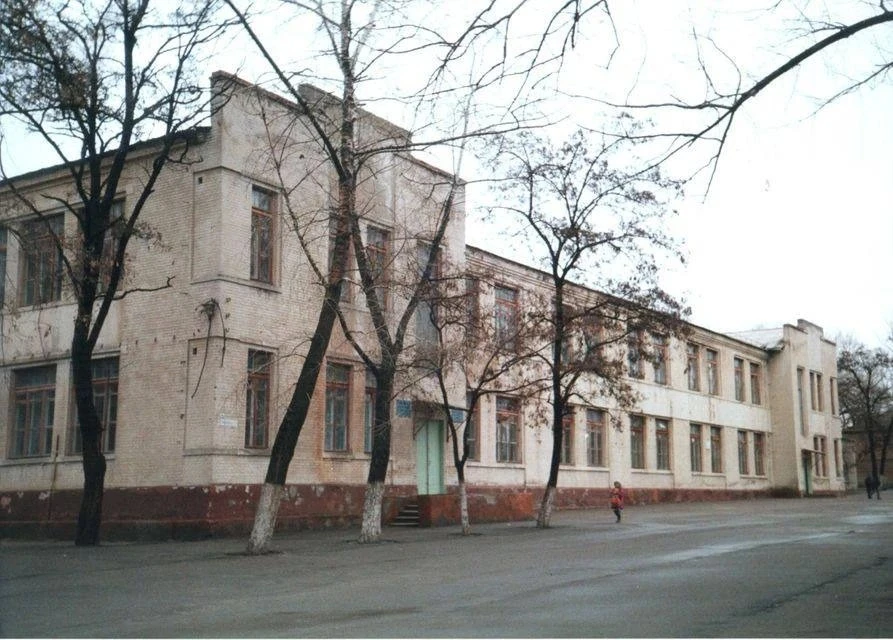
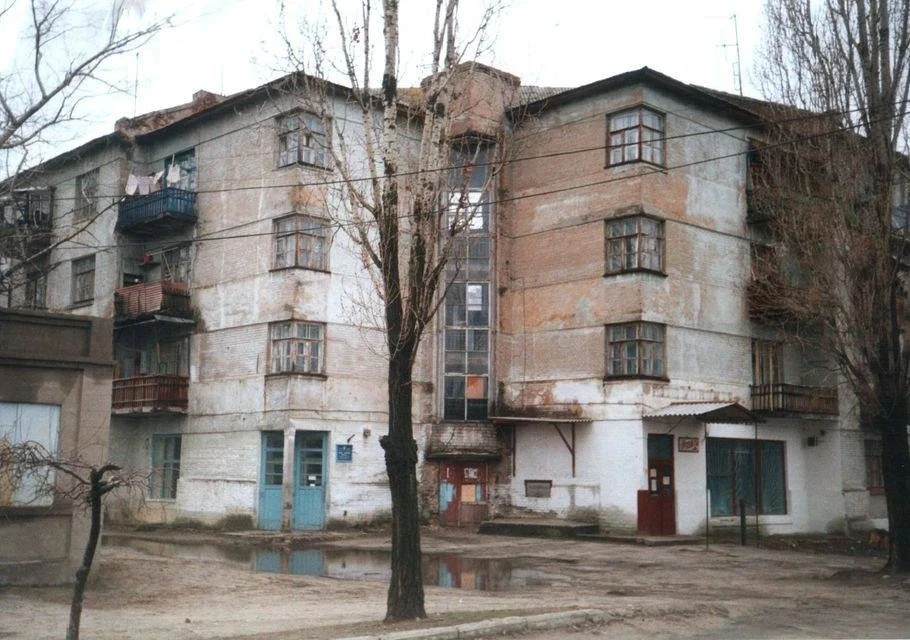
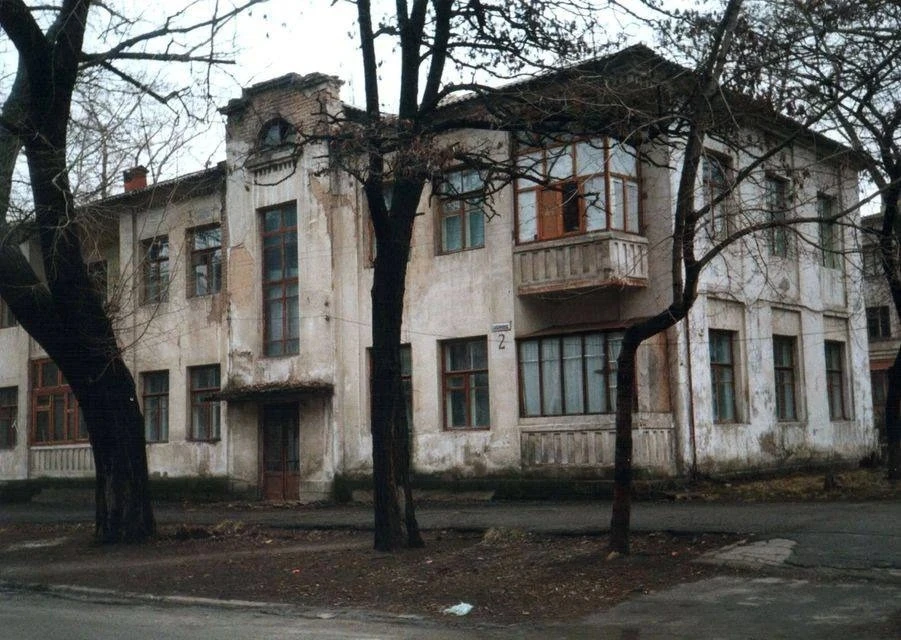
Today, the houses and structures that were built in the constructivist style in Rubizhne are important architectural monuments.They testify about the significant contribution of this movement to the development of culture and history of the city and the entire oblast.
The local historian shared his own thoughts about the restoration of these buildings after de-occupation.
"I have thoughts on this matter. It is completely unnecessary to restore all these buildings. However, it is possible to bring at least a few buildings that are not too destroyed to their original state as it is our history. In one of them it.