

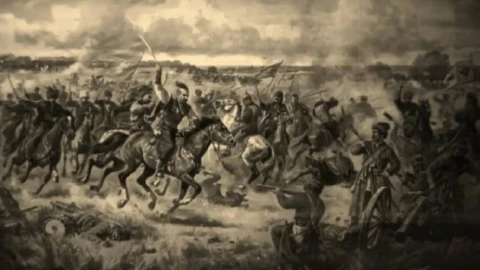
Since ancient times, residents of Donbas including Luhansk oblast fought for the right to freedom. The uprising of the native of the region Kindrat Bulavin, which was also called the "last attempt of the steppe" knights in zupans "to defend their liberties," became history. Even today, Ukrainians continue to fight for their honor and independence every day, resisting invaders.
Tribun’s publication tells the story of Bulavin uprising which first battle began in Luhansk oblast.
Bulavin uprising of 1707-1709 is a great rebellion of Cossacks and peasants against social oppression, which was named after its leader Kindrat Bulavin.
Kindrat Panasovych Bulavin was born in 1667. It was believed that he was from Tryokhizbenka in Luhansk oblast. But there is another opinion, the evidence of which historians found in the Russian archives - the man was born in the settlement of Staryi Saltov. His father was a reiter, and in 1686 the family fled to the Don, where Panas Bulavin was elected as the ataman in the village of Trekhizbenskaya. This marked the beginning of the association of the Bulavins with the Don Cossacks.
One of the reasons for the upcoming uprising was the desire of Peter I to prohibit the admission of runaway peasants to the Cossacks, the prohibition of the right to self-government and restrictions on resettlement. In other words, the Don people were not allowed to occupy new lands and build their settlements on them.
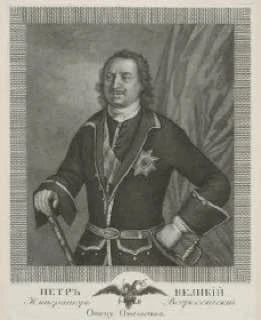
Then there was also a conflict between the Sloboda Cossacks and the Don Cossacks for the right to own the Bakhmut salt mines. Peter I transferred Bakhmut to Fedor Shidlovskyi, who was a colonel of Iziyum regiment, which caused dissatisfaction among the Don people, who under the leadership of Kindrat Bulavin captured the city. This event led to the arrest of Cossacks in 8 villages and sending them with their families to their previous place of residence and was the beginning of a major uprising.
On October 20, 1707, a detachment led by Bulavin attacked the regiment of Yurii Dolhorukyi, whom the tsar sent to expel all those who fled to those cities, from where they came. The army reigned near the Shulhinskyi town. Prince, soldiers and officers were killed.
Over time, Bulavin's detachment was replenished from 200 people to 2 thousand, and the popular movement spread to the entire Cossack Don. Having known about the uprising, tsar Peter I sent the Don chieftain Lukiyan Maximov to suppress the movement. A detachment of Cossacks sympathetic to the tsar opposed the rebels. The meeting took place on the Aydar River near the village of Zakotne, in Luhansk oblast. As a result of "negotiations' ' and skirmishes between the opponents, some of the rebels were captured and shot and some fled. Kindrat Bulavin himself with a small number of Cossacks went to the Kodak fortress for the winter. There he was waiting for the replenishment of his detachments from the fugitive peasants and support from the Cossacks of the Zaporizhzhya Sich.
The Cossack elite was dissatisfied with Bulavin's actions, but Kindrat was gaining popularity among ordinary peasants.
To suppress the rebels, Peter I sent a 20,000-strong army led by the brother of the murdered prince Dolhorukyi Volodymyr. By order of the king, the detachment of Ivan Mazepa also opposed the rebels. Bulavin left the fortress Kodak and moved to the river Mius and from there with detachments of atamans Dranyi, Bezpalyi and Nekrasov to the Don River. To prevent further Bulavin’s movement , ataman Maxymov's detachment crossed their path.
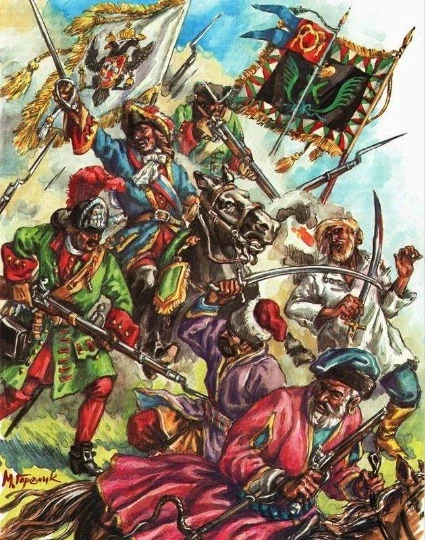
On the Goluba River, Maksymov managed to defeat the advanced detachments of Bulavin, but in the end the rebels defeated the Ataman army. With the remnants of his detachment, Maximov retreated to Cherkassk. Having overcome the resistance of some villages that supported the tsarist government, Bulavin captured the city with cunning and force.
There he punished government officials and beheaded them. Maximov was among them. The rebels on the Cossack circle declared Kindrat Bulavin as the ataman of the Don Army. After that, the popular movement swept the Don, southern Russia and a large territory of Sloboda Ukraine, where the rebels were led by the Holyi, Dranyi and Bespalyi.
Bulavin sent his main army to Azov, but did not abandon his intention to capture Moscow with the support of not only Russian, Ukrainian, Polish Cossacks, but also with the support from Volga region.
Meanwhile, a dispute broke out in the Sich between the poor who supported Bulavin and the Cossack elders who did not want to participate in the war. Priests even arrived from Kyiv to persuade the poor not to support the rebels and not to join Bulavin's detachments. But most of the poor Cossacks still decided to join the army.
The royal army, taking advantage of the fact that Bulavin's army was scattered in different directions near the city of Torsk near the Kryva Luka tract, defeated the troops of S. Bezpalyi and S. Dranyi. Subsequently, the main rebel detachments were defeated near Azov.
Taking advantage of the defeat and fearing reprisal of the king, the wealthy Cossacks chose a new leader. Under the leadership of the newly elected ataman Zershchikov, a conspiracy was organized against Kindrat Bulavin, as a result of which he was killed. But there is also another version: Bulavin shot himself.
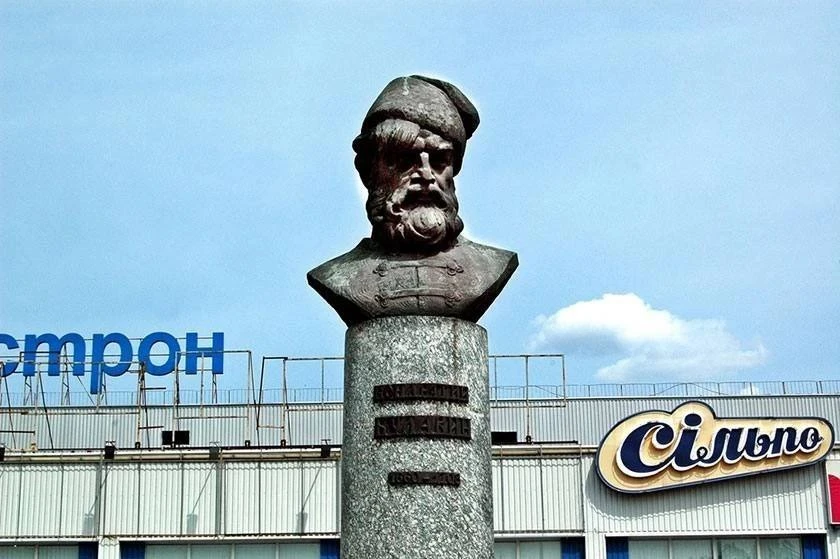
On June 27, 1708, the army of Prince Dolgorukyi entered Cherkask. The remnants of the Don Army swore allegiance to the king, and 40 rebels of the uprising were punished. After the death of Kindrat Bulavin, the command of the army passed to Ihnat Nekrasov. But there was no consensus about further plans for the rebels. Part of the army remained in Tsaritsyn and Nekrasov with the main forces deciding to return to the Don.
The tsarist army in August 1708, leaving Cherkask defeated the rebel army on the banks of the Don River.
Nekrasov led the remnants of his army to Kuban, which belonged to the Crimean Khan. A small vataga of the Naked continued to fight with the tsarist army between the Pristan and Donetsk Cossack towns. In the fall of 1708, the king's army captured Donetsk and dealt with the rebels.
In the book "Traces on the Sakma" by Serhyi Kaleniyuk, it is indicated that one of the governor reported to Peter I: "And according to Aidar... towns all and along the Donets from Lugani up all... burned and over people committed by decree "
Bakhmut and almost all towns and villages over Seversky Donets, Aidar and Derkul were burned.
This was also mentioned by General Rigelman in his book "History or Stories about the Don Cossacks":
"Dolgorukyi executed all those caught and hanged on rafts along the Don. And the villages that do not obey and rebel with resistance, starting from Shulhinka and all their surrounding places even to the very Luhansk village, are all cut down and completely destroyed and burned. "
The Bulavinskyi uprising was severely punished: 8 Don villages were completely exterminated, part of the land that belonged to the Don army was taken away, and the fleeing peasants were returned home. The villagers who supported the uprising were tortured. No women or children were spared. The elders who did not support Kindrat Bulavin were awarded. The Cossack elite of the Iziyum regiment received fertile lands along the Krasna, Zherebets, Bakhmut rivers (tributaries of the Severskyi Donets) and the right to establish their factories there.
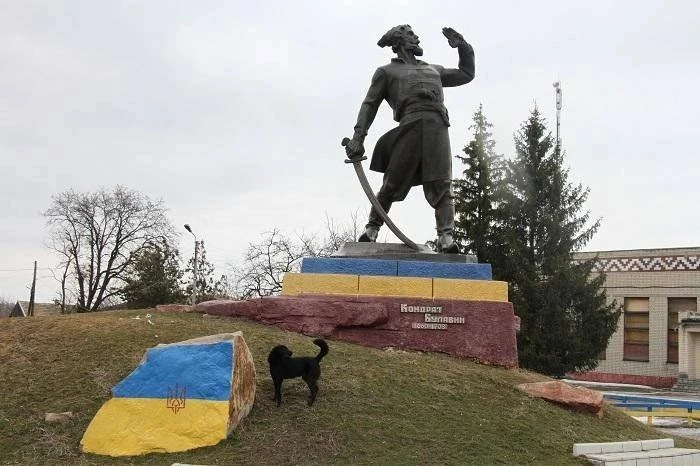
And in honor of the rebel was named the village - Bulavynivka, whose name is still fixed in the Luhansk oblast.


