

Articles in English
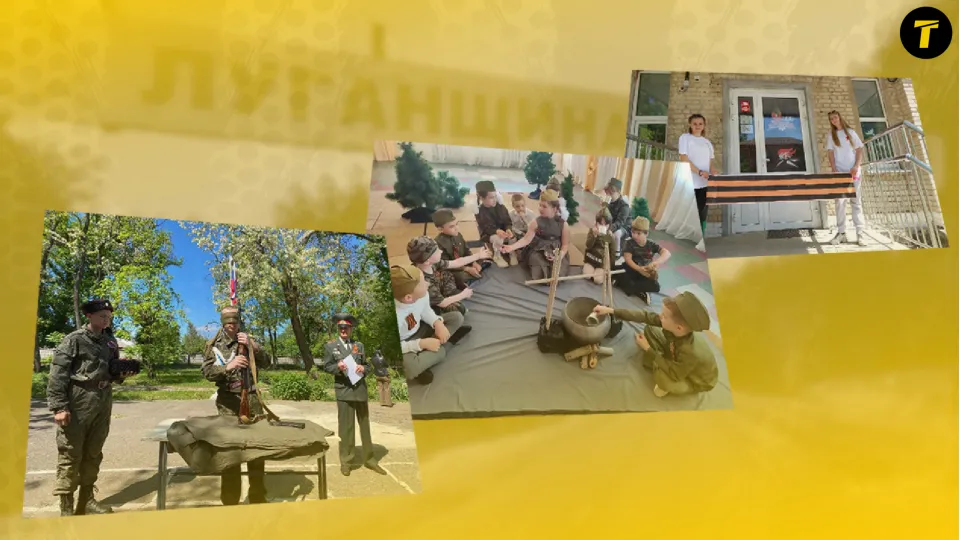
This year, on the occupied territories of Luhansk region, Russians organized large-scale festive events for the so-called 'Victory Day' on May 9th. This occurred while the entire civilized world commemorated Victory Day over Nazism in World War II on May 8th.
>>
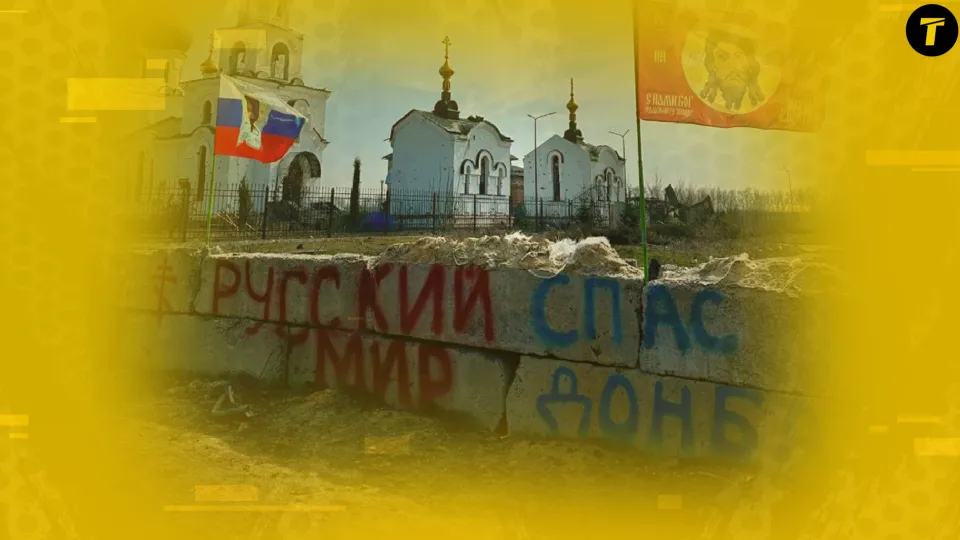
In Avdiivka the occupiers left a sign on ruins saying "Russian world saved Donbas." Such "resque" led to the destruction of the city and the death of many residents. However, Russian journalists are now filming reports on the partial "restoration" of the settlement and interviewing locals to capture the joy of
>>
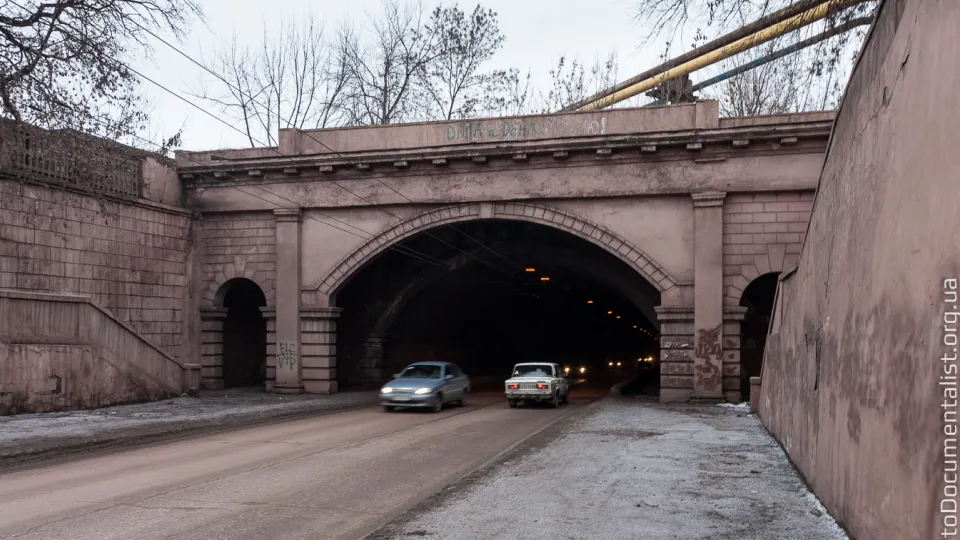
The construction of pompous underground transportation facilities was a special obsession of the Soviet government. Such projects had not only economic but also ideological significance for party functionaries. Thus, a trolleybus tunnel appeared in Alchevsk, the city of metallurgists.
>>
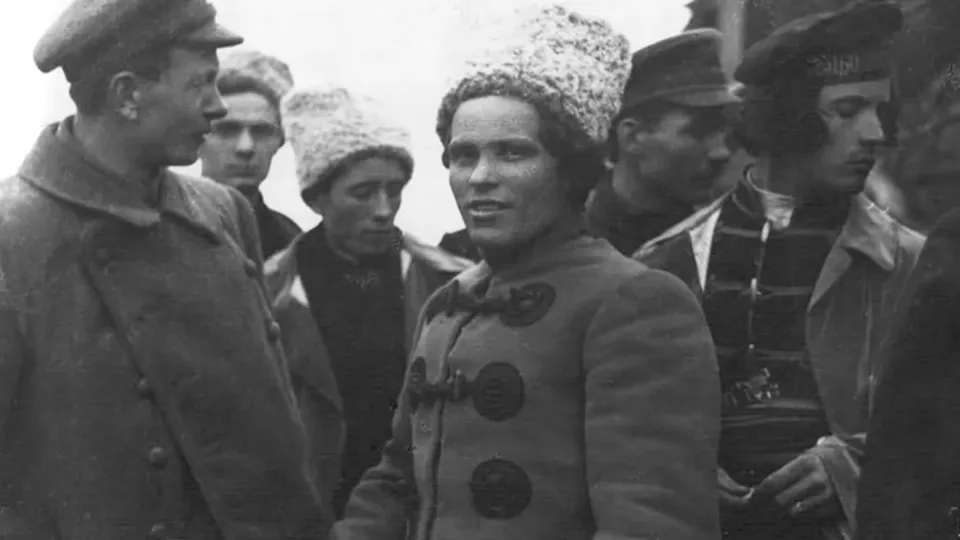
The events of the 1917-1921 Ukrainian Revolution , or as it is commonly called, the first Ukrainian War of Independence, left their mark on the history of the Luhansk region. They were mainly military and political in nature: the emergence of county councils, the formation of the Free Cossacks, the battles of General Volodymyr Sikevych's Slavic
>>
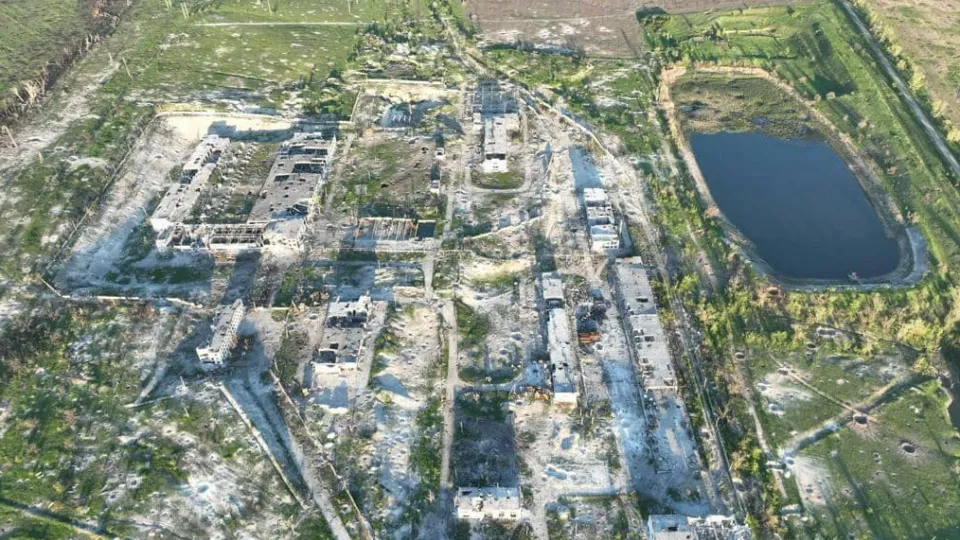
Since the beginning of Russia's invasion, the small village of Bilohorivka has become the hottest frontline
>>
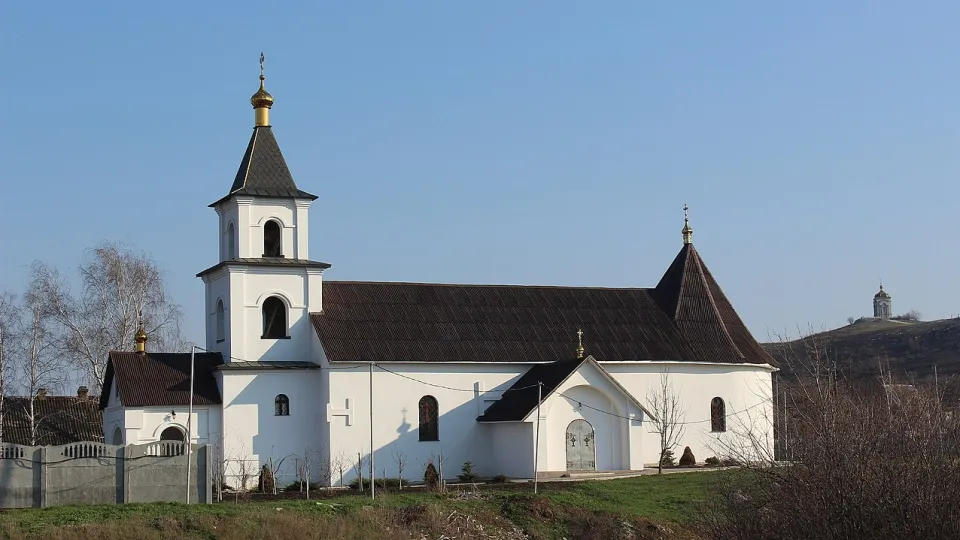
Slovianoserbia was an administrative-territorial military unit formed by the Russian government in 1753 to the south of the Siverskyi Donets river between its tributaries Bakhmutka and Luhan.
>>

In 2022, due to Russia's full-scale invasion of Ukraine, Luhansk Taras Shevchenko National University experienced its second evacuation to Poltava region.
>>
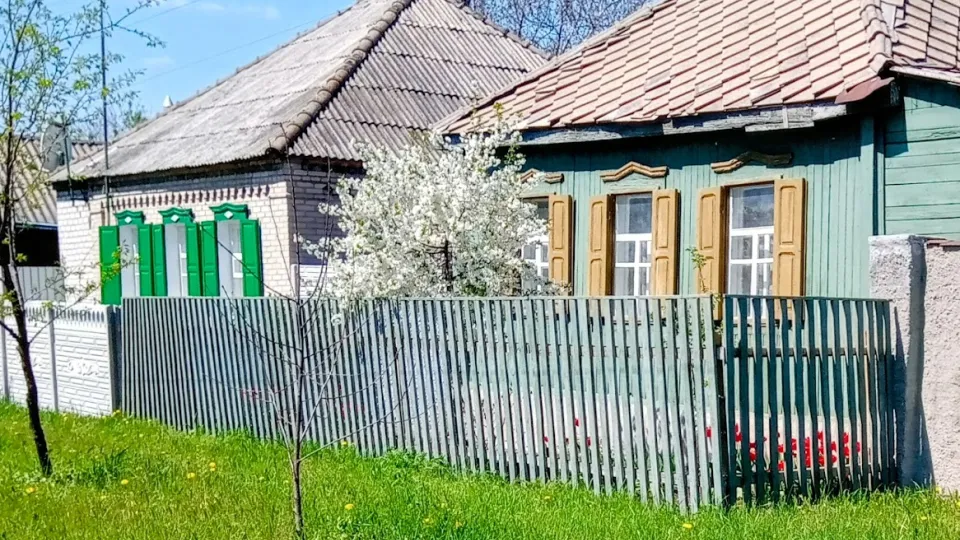
Ever since humanity moved from caves, dugouts and huts to buildings, various housing designs have appeared in different parts of the world, which later developed into architectural masterpieces. Human houses were built of different materials, for different conditions, with different levels of comfort and equipment, but the common feature for all of
>>
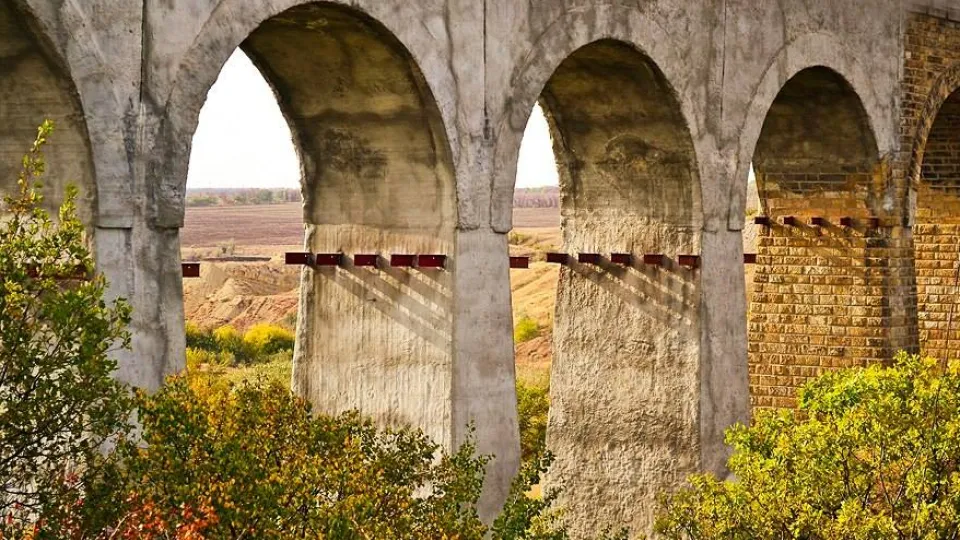
When it comes to viaducts, many immediately list the famous monuments of Austrian and German architecture in Western Ukraine.
>>

The City Museum in Rubizhne is an important integral part of the town, which for a long time was also the center of its cultural development. However, the beginning of the full-scale invasion, the fighting, and the occupation destroyed the building that had been preserving history for years.
>>
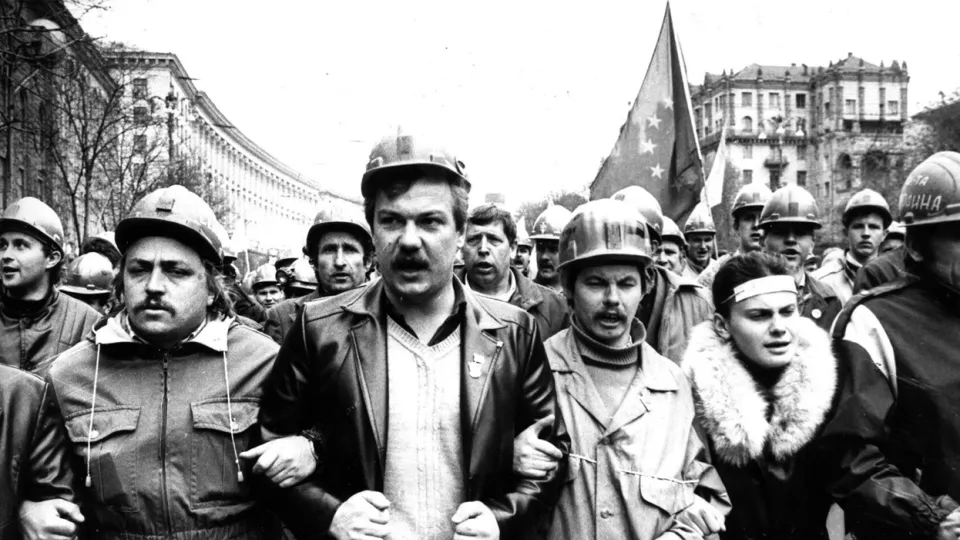
On August 24, 1991, the Supreme Council of the Ukrainian SSR adopted the Act of Declaration of Independence of Ukraine. Preceding this were economic crises, the strengthening of national-democratic movements, and dissatisfaction among the population with the policies of the then leadership. Also, coal miner strikes shook the country in July 1989.
>>
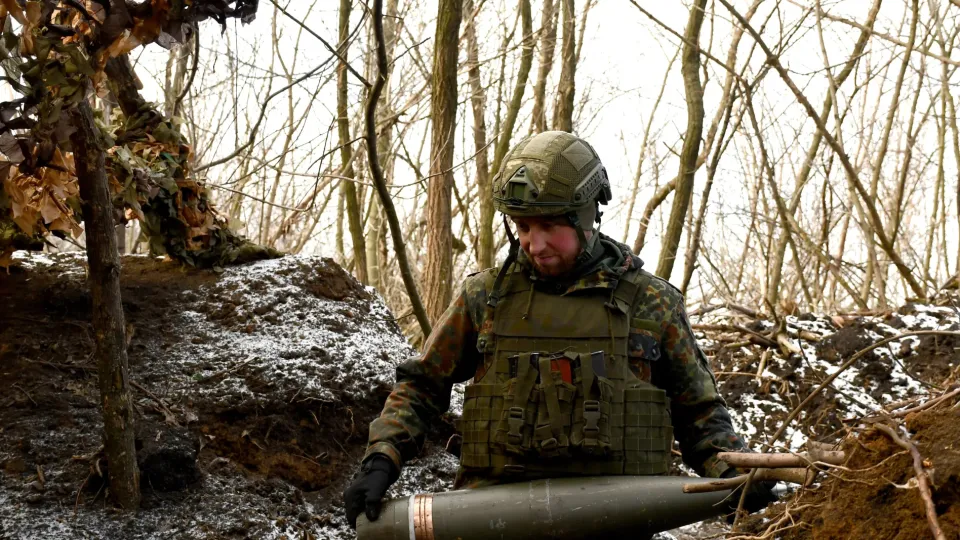
On the Donetsk Frontline, active combat continues daily. Particularly, Russian shelling targets Sloviansk and Kramatorsk, as occupiers persist in their goals to seize these towns. Primarily, they fabricate fake narratives about the supposed preparation by the Ukrainian Armed Forces to 'surrender' these cities, followed by their destruction.
>>

It is often claimed that there was no cultural life or educated population in Luhansk oblast, as well as in Donbas. However, this assertion is primarily propagated by those who adhere to Russian narratives. In reality, the residents of our region have been striving for development since the construction of the first factories.
>>
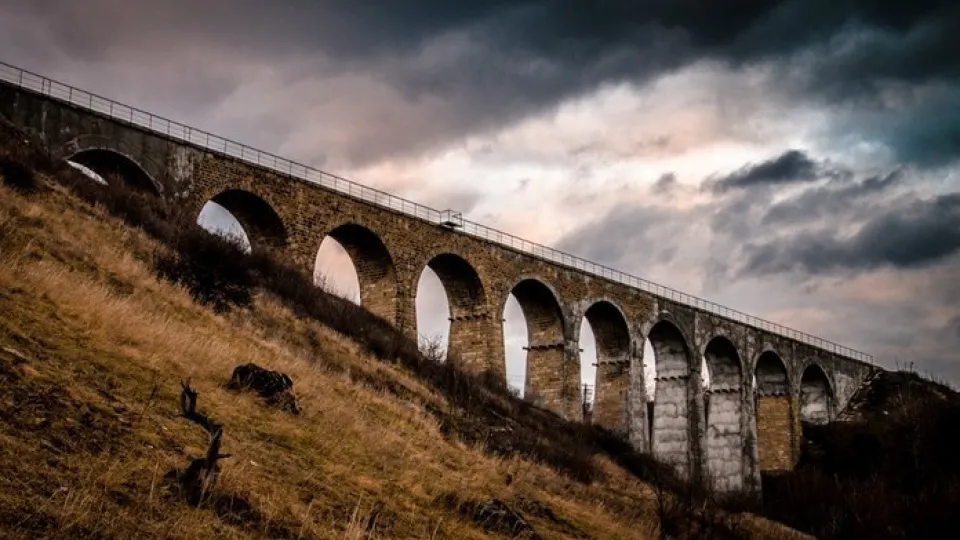
Near the town of Holubivka (55 kilometers from Luhansk), there is a unique object of historical railway infrastructure - a railway arched viaduct. It is a unique mainline that operated for 30 years in its time and is now a heritage of our region.
>>
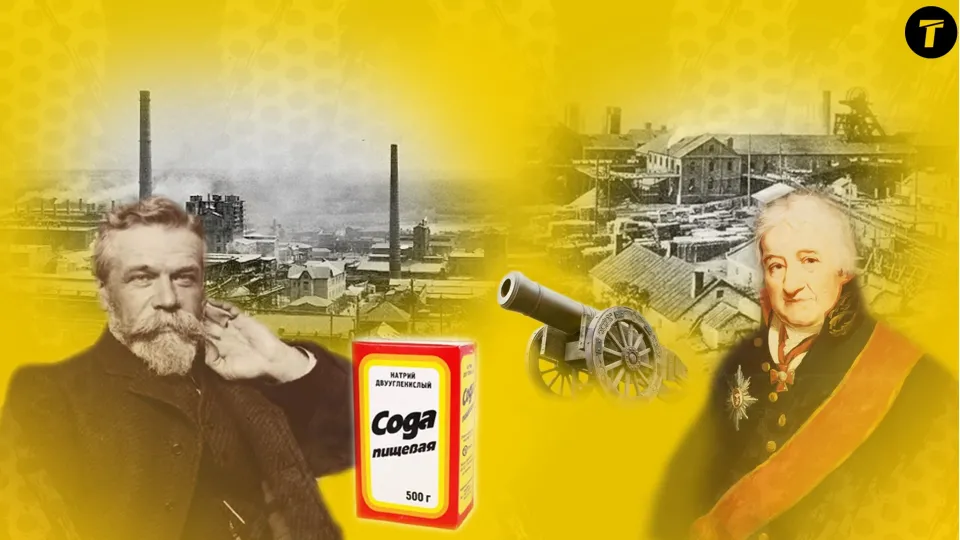
Today, the Luhansk region is almost completely occupied by Russian troops. But about 20 years ago, things were very different. The region was considered one of the most developed areas of Ukraine during the Soviet period (1922-1991) and the first years of independence (1991-2000). The investments from European partners became a solid foundation for
>>

There was hardly anyone writing about Oleksii Stakhanov and the massive propaganda campaign of socialist competitions under the name "Stakhanovite Movement" except for the idlers.
>>
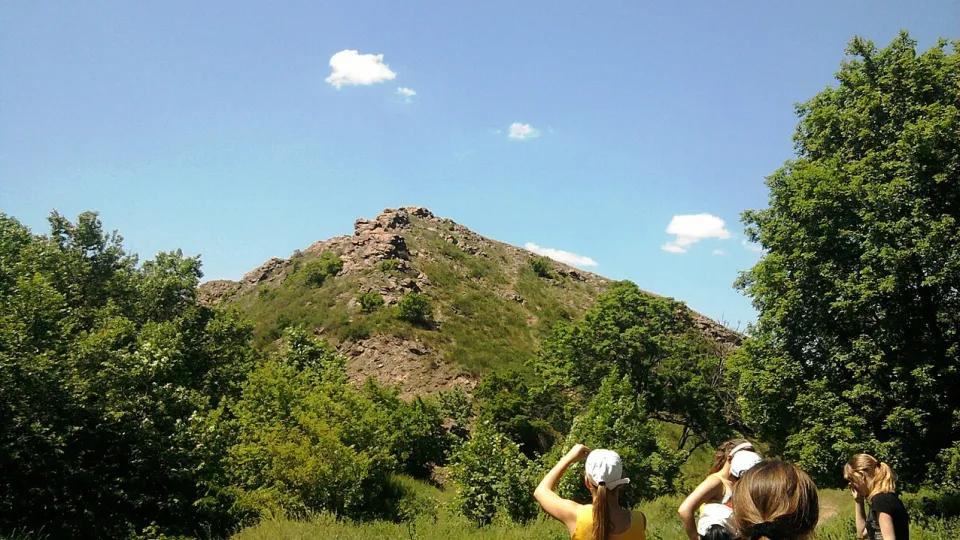
The Royal Cliffs, located in the Dovzhan’sky district (southern part of Luhansk region) near the Russian border, hold a special place among the region’s noteworthy natural attractions.
>>
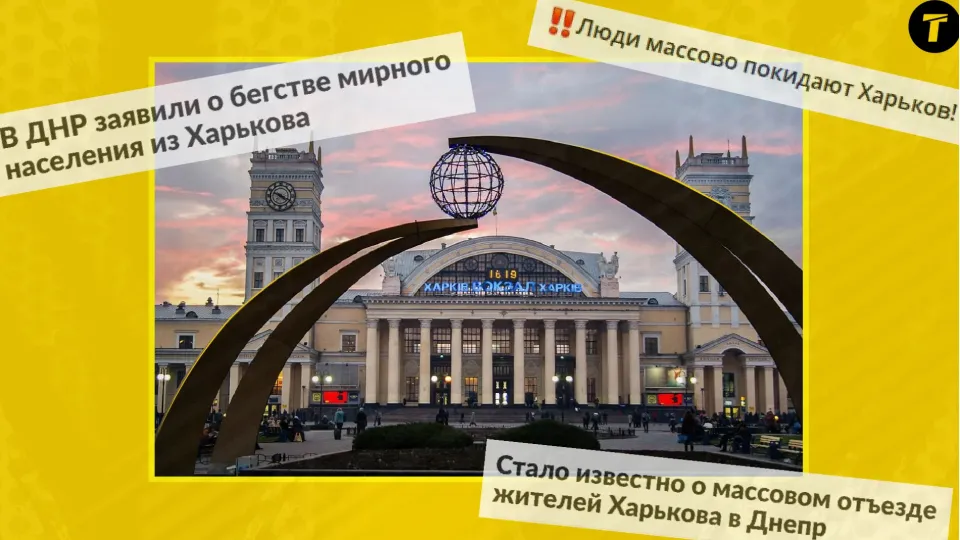
Russian troops are shelling Kharkiv and the region on a daily basis with various types of weapons - attack UAVs, missiles, guided aerial bombs, etc. Residents are forced to constantly react to air raid alarms and stay in shelters. Civilian objects, critical infrastructure, and residential buildings have been destroyed by shelling. In view of these
>>
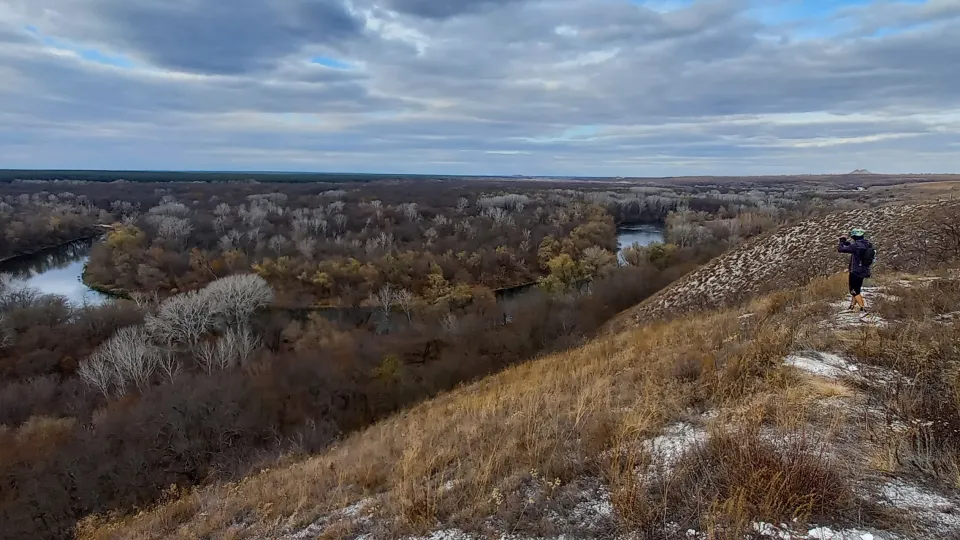
A unique archaeological site - the summer residence of the Tatar khans of the Golden Horde was discovered in 2012 by archaeologists and local historians in the territory of Popasna district.
>>

Since 2014 occupiers have utilized all means of mass communication, sometimes even involving children, to make them part of Russian society. During the full-scale invasion, the occupying authorities militarize the youth to defend "correct" interests and potentially participate in the war against Ukraine in the future.
>>